
Last updated November 21, 2026
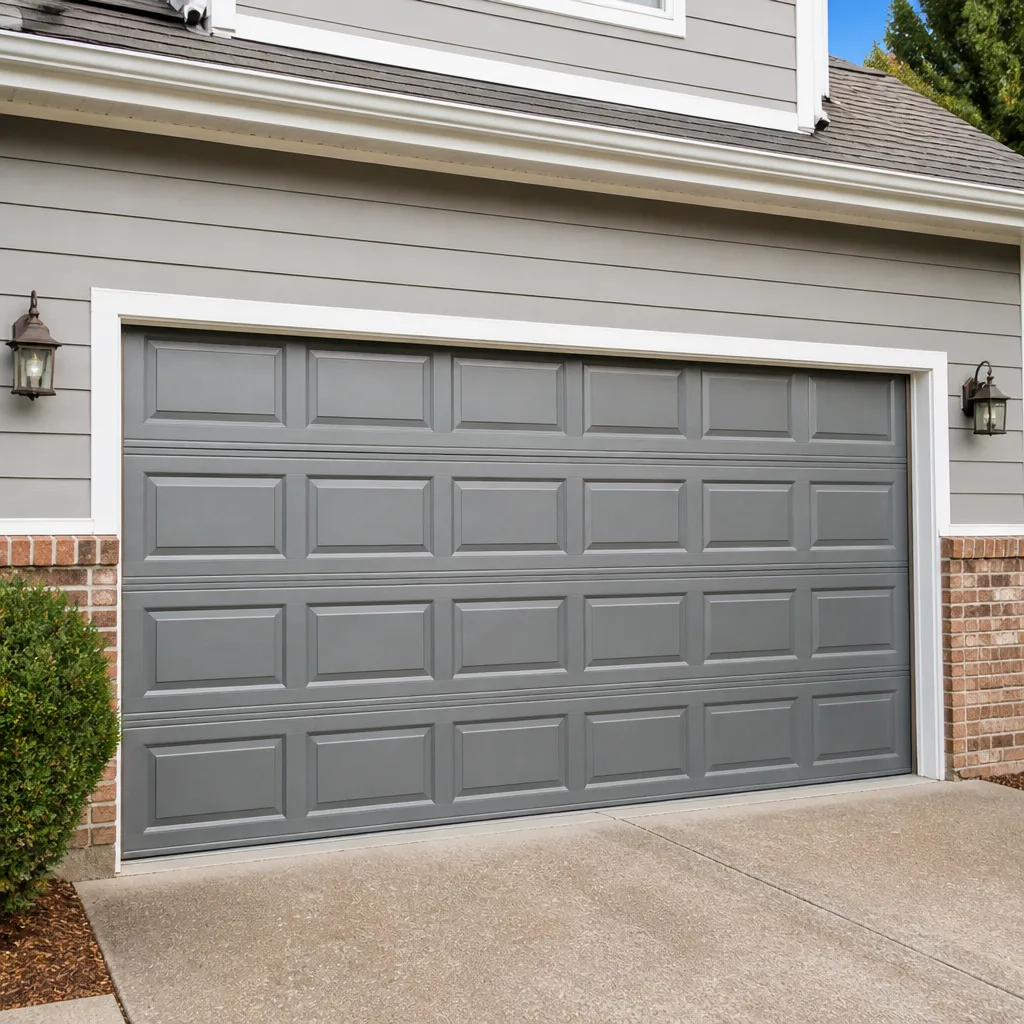 Raised-panel steel
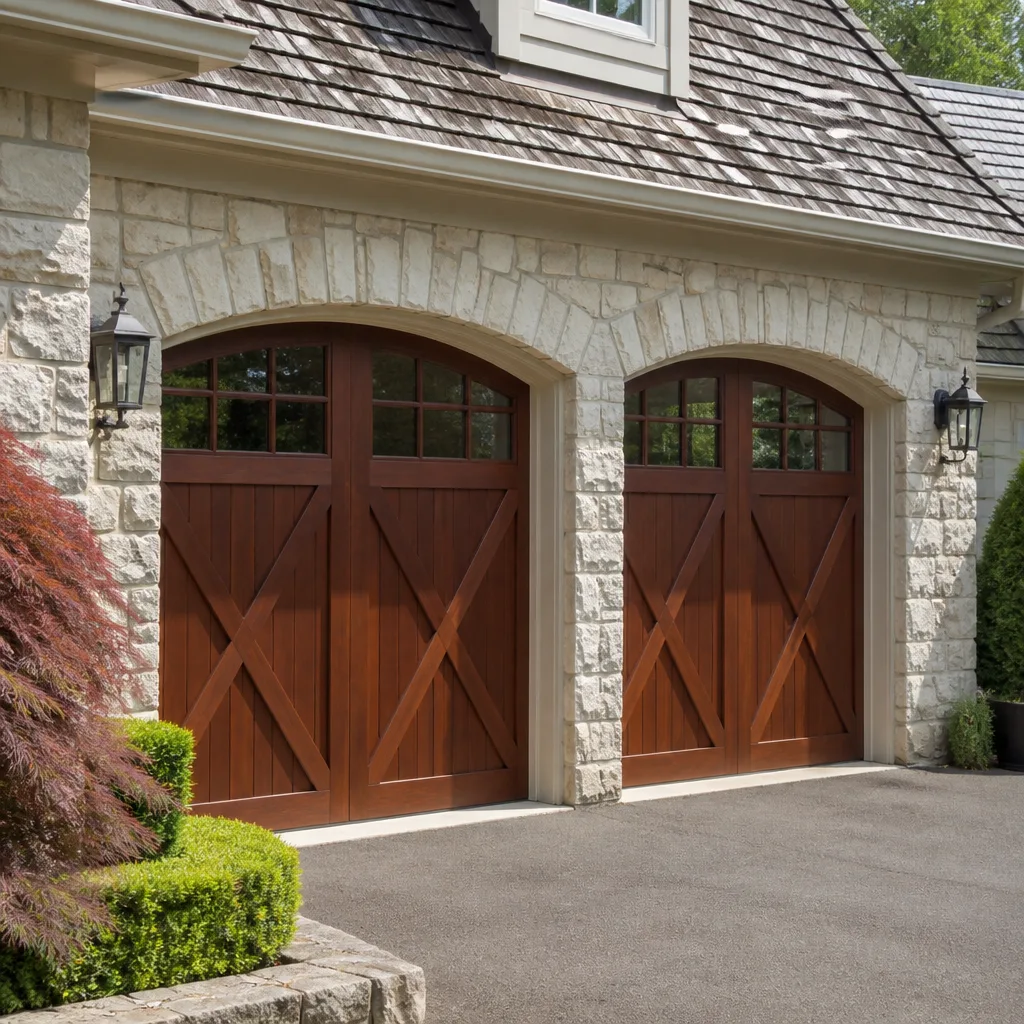 Carriage house
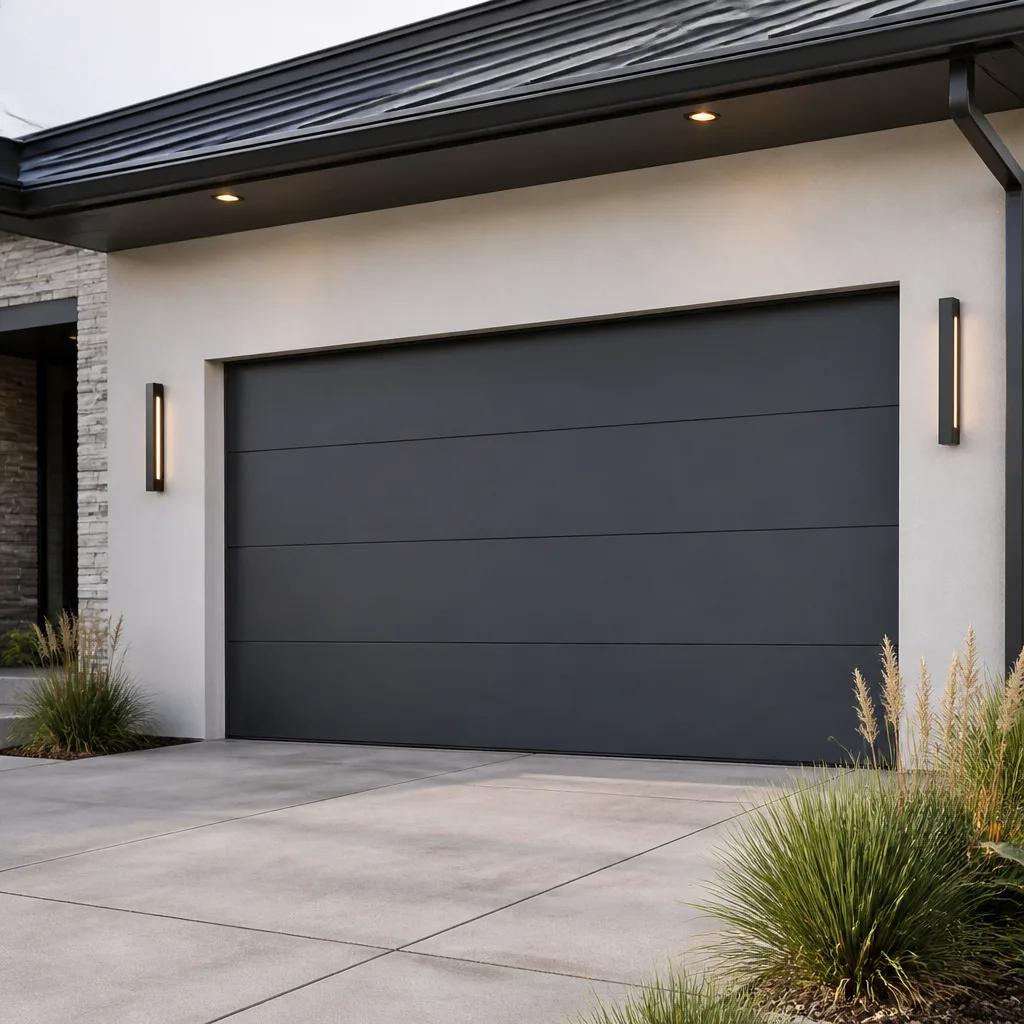 Modern flush
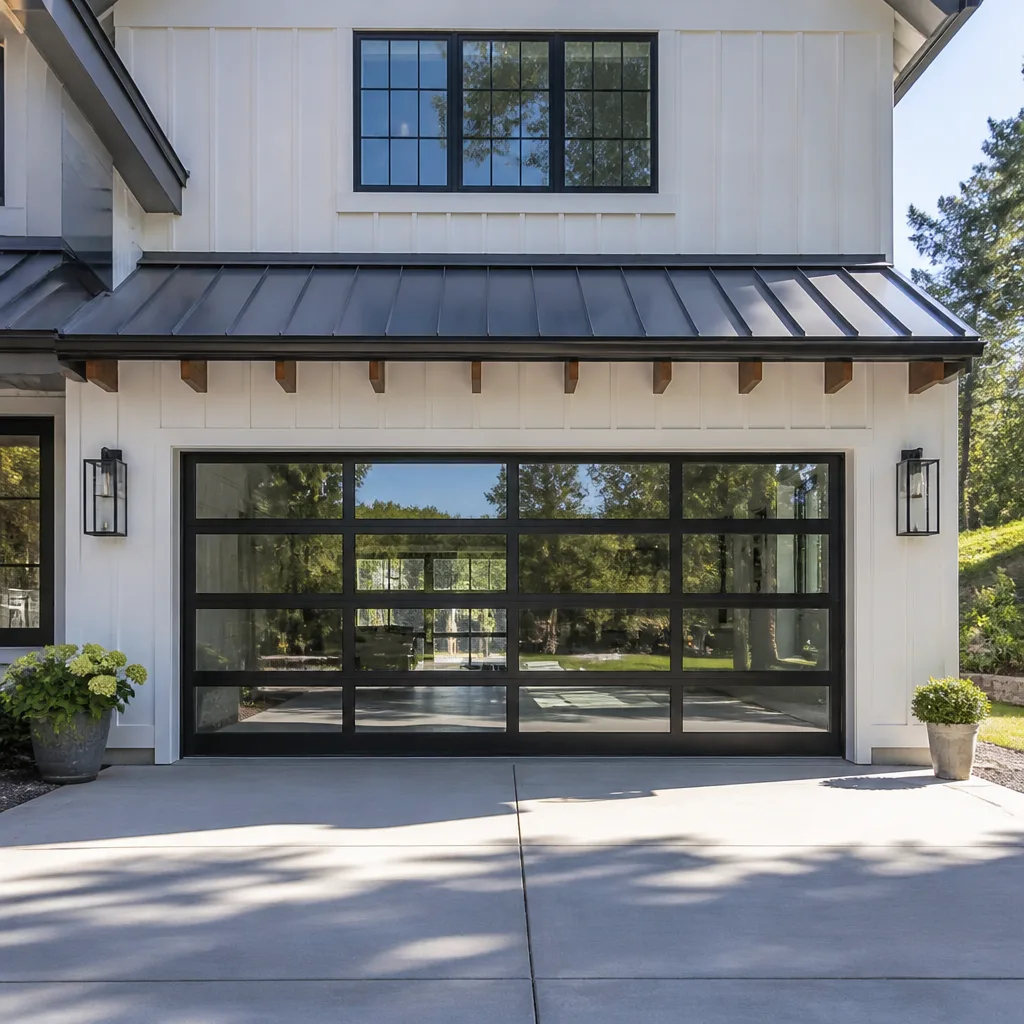 Full-view glass
 LiftMaster openers
 Chamberlain openers
Full 25-point door and opener safety check with every visit - springs, cables, rollers, tracks, and your LiftMaster or Chamberlain opener included
You get a price before we start. It does not change when the pro arrives.
Get your free estimateGarage Door Permits, Codes & Inspections in Forest Hills, NY: What You Need to Know
Here’s the part that surprises most homeowners: New York City’s building code has no category called “just replacing the door.” The permit trigger isn’t about how big the job felt or how much it cost. It’s about what changed structurally. Swap a panel or a spring and you’re usually in the clear. Change the spring system type, add an opener to a manual door, or touch the structural header, and you’ve stepped into permit territory without realizing it. In Forest Hills, where brick garages and older detached structures are common, those lines get crossed more often than people think. This guide walks through the actual criteria, how historic district adjacency plays in, what an unpermitted install means at resale or claim time, and what inspectors look at.
Quick Answer
In Forest Hills, NY, a straight like-for-like garage door replacement usually does not require a NYC Department of Buildings permit, but structural changes do: modifying the header, changing the spring system type, adding powered-operation wiring to a previously manual door, or altering the opening’s dimensions. If your job touches any of those, expect a permit and an inspection. When in doubt, call the NYC DOB or ask your contractor before work starts, since the written scope is what determines whether a filing is needed.
Styles & brands we work with
- Raised-panel steel
- Carriage house
- Modern flush
- Full-view glass
- LiftMaster openers
- Chamberlain openers
Table of Contents
- What Actually Triggers a Garage Door Permit in NYC
- Spring System Changes and Opener Rough-In: The Hidden Triggers
- Historic District Adjacency and Exterior Door Approvals in Forest Hills
- Unpermitted Work, Resale, and Insurance Claims
- Licensed Contractor Filing vs. Homeowner Self-Filing in New York
- What an Inspector Actually Checks on a Garage Door Job
- How to Prepare for Inspection Day
- Forest Hills Housing, Weather, and Why Doors Age the Way They Do
What Actually Triggers a Garage Door Permit in NYC
The NYC Department of Buildings regulates construction work, and a garage door sits at the intersection of several regulated systems. That’s why two jobs that look identical to a homeowner can land on opposite sides of the permit line. What matters is whether the work changes the structure, the means of egress, or the powered operation of the door.
Here’s how we explain it to Forest Hills homeowners: picture the door opening as a frame with a set of moving parts inside it. If you’re replacing parts inside the frame, you’re usually fine. If you’re changing the frame or how the door is driven, the DOB wants to see the plan.
Work that typically does NOT require a permit:
- Replacing a torsion or extension spring with the same type in the same position
- Swapping a door panel or section for a matching replacement
- Replacing a worn opener with a new unit using the existing wiring and mounting
- Routine adjustment of tracks, rollers, hinges, or cables
- Replacing weather seal, bottom rubber, or hardware
Work that typically DOES require a permit or at minimum a check with the DOB:
- Changing the spring system type, for example converting extension springs to torsion or relocating the torsion bar
- Modifying, reinforcing, or replacing the structural header above the opening
- Adding a new opener and rough-in wiring to a door that was previously manual
- Enlarging or reducing the door opening
- Changing the door’s material in a way that increases its weight enough to alter loading on the header
Notice what’s missing from that second list: “replacing the whole door.” A same-size swap in the same material with the same spring type is the case where Forest Hills homeowners are frequently right that no permit is needed. The problem is when the new door isn’t quite the same. That’s the moment to slow down and check.
The safest move is a call to the DOB or a written scope from your contractor detailing what will change. If your garage door repair in Forest Hills touches anything on the second list, get the answer before the truck arrives, not after.
Spring System Changes and Opener Rough-In: The Hidden Triggers
Two permit triggers catch more Forest Hills homeowners off guard than any others: a change in spring system type, and adding an opener to a manual door. Both involve changes to the door’s operating load or to the building’s wiring, and both are invisible to anyone thinking only about “a door replacement.”
Spring system type changes
A torsion spring mounts above the door on a shaft and does its work through torque. An extension spring runs along the horizontal track and stretches. They’re not interchangeable by size alone, and converting from one to the other typically involves new anchoring, new hardware, and a different load path through the opening. That load path is why a conversion can cross into structural territory.
A same-type replacement, torsion for torsion or extension for extension, is repair work, not a code change. This is one reason spring repair is a distinct job from spring conversion, and it’s also why we handle spring work in-house. Torsion and extension springs store serious energy, and getting the anchor and load math wrong isn’t a DIY situation. If you’re ever unsure whether your job is a replacement or a conversion, ask. It’s a one-minute question with a real answer.
Adding an opener to a manual door
Slapping an opener on a door you’ve been lifting by hand sounds like a small upgrade. In code terms it introduces powered operation into a space that didn’t have it, which usually means new wiring, a new power source at the ceiling, and safety devices. The wiring rough-in is the part the DOB cares about, because it’s electrical work that has to be done to code. It also changes the safety story entirely: an automated door needs functioning safety sensors and a tested auto-reverse to be safe around kids and pets.
If your opener is failing and the wiring is already there, replacing it is garage door opener repair, and it’s a different category from a new rough-in. We work on LiftMaster and Chamberlain systems specifically, so telling us what’s already mounted usually settles which side of the line you’re on.
Historic District Adjacency and Exterior Door Approvals in Forest Hills
Forest Hills has historic districts and landmarks, and if your property sits inside one or on a lot adjacent to one, your exterior door is a visible element that may need approval before you change it. This isn’t the DOB permit question. It’s a separate review, and it catches people who assumed a permit alone was the only approval they needed.
A garage door on an attached or detached structure facing the street is part of the streetscape. Changing the panel style, the material, the color, or the frame trim can require review even when no structural work is happening. The good news is that most of these reviews are straightforward when the replacement door matches the character of the original. The bad news is that a modern full-view glass and aluminum door in a district of panel doors is likely to draw scrutiny.
How we approach it for a Forest Hills door replacement:
- Check whether the property is inside a historic district or adjacent to a designated landmark
- Bring panel photos and color samples to the review, not just the spec sheet
- Match the visible frame and trim before optimizing for insulation or style
- Get the approval before ordering the door, since door manufacturing lead times are real and a rejected design is a wasted order
Brand choice matters here in a practical way. A careful replacement that echoes the original profile in a Clopay or Raynor product is easier to approve than a new style entirely. We’re familiar with how those systems look and install, which helps when the design has to be defended.
If you’re planning a full door change, this is worth reading alongside our page on garage door installation. The measure and written scope come first, and the approval question comes right alongside them.
Unpermitted Work, Resale, and Insurance Claims
Here’s the risk that doesn’t show up until years later. Work done without a required permit can surface at resale, during a title search, or after a loss, and it usually leads to a headache that a filing fee would have avoided. A permitted job leaves a paper trail with the DOB. An unpermitted structural change leaves a gap that a buyer’s inspector or attorney will find.
At resale: a buyer’s inspector who notices that the garage opening was widened, a header was modified, or an opener was added without a record will flag it. That triggers either a price negotiation or an expensive after-the-fact filing to bring the work into compliance. Neither is a conversation you want at closing.
After a loss: insurers look at whether the work was done to code and whether it was disclosed. A garage door system installed to code and permitted where required is much simpler to defend than one that isn’t. We can’t promise how any particular insurer will handle a claim, and you should talk to your carrier about coverage. What we can say is that a clean paper trail makes those conversations easier.
One more angle unique to garage doors: a non-compliant spring conversion or a manual-to-powered change is a safety issue, not just a paperwork one. Those are the jobs where an unpermitted shortcut can actually hurt someone. Knowing the difference between permitted and unpermitted work on your own door is a form of basic safety awareness.
The simple rule: if the work touches structure, spring system type, or powered operation, file. If it’s a same-type replacement, keep the written scope and the receipt. That record is worth keeping even when no permit is required.
Licensed Contractor Filing vs. Homeowner Self-Filing in New York
New York lets a homeowner pull a permit for work on their own residence in some cases, but the practical picture is more limited than it sounds. Electrical rough-in for a new opener, structural header changes, and spring system conversions are exactly the things a filing reviewer wants to see tied to a licensed professional. Pulling your own permit on a structural job means you’re also the one answering to the inspector, and you’re relying on whoever does the work to get it right.
There’s also the matter of who can legally do the work. In New York, certain trades like electrical work require a licensed electrician to pull the electrical permit. If your job includes a new opener rough-in, that’s typically the electrician’s filing, not the homeowner’s.
When self-filing makes sense:
- A simple, non-structural job where the filing process is clear and you’re comfortable with the paperwork
- You’re doing the work yourself, you understand the code, and you can pass the inspection without help
When a licensed contractor should file:
- The job touches the structural header, the opening dimensions, or the spring system type
- The job includes electrical rough-in or a new opener on a manual door
- The job includes any safety-critical component like a spring, cable, or anchor
- You want a clean, permitted record for resale and insurance
We handle the scope and the paperwork conversation as part of the estimate, so you know what’s required before work begins. The local pro is licensed and insured as their state requires, and the price is quoted and agreed before any work starts. If a job needs a permit, we’ll tell you before you commit.
What an Inspector Actually Checks on a Garage Door Job
An inspector on a garage door job isn’t looking at whether your door looks nice. They’re checking the things that keep it from coming down on someone or failing an emergency. If you know what they’re looking at, you can prepare, and you can also use the same list as a safety check on any door, permitted or not.
- The structural header and anchorage. If the header was modified or the door weight changed, the inspector checks the load path. Springs, hinges, and opener brackets all transfer load into that header, and it has to be sound.
- Spring system and anchor condition. Same-type replacement or a permitted conversion, the mounting has to be secure and the spring rated for the door’s weight.
- Auto-reverse and safety sensors. An automatic opener must reverse on contact and the safety sensors must be in place and working. An inspector will test this.
- Manual release. The door must have a working manual release so it can be operated by hand during a power failure.
- Tracks, rollers, and cables. These need to be aligned and secure, with no visible wear that suggests the door could come off track.
- Weather seal and bottom rubber. On an exterior door, this is usually checked as part of the installation quality.
- Egress and clearance. If the garage is part of the means of egress, the opening has to meet that requirement.
None of that is exotic. It’s the same checklist a careful installation should satisfy without an inspector present. The difference is that a permitted job has someone verifying it independently.
How to Prepare for Inspection Day
The easiest inspection is the one where the door is clean, clear, and easy to test. A little prep goes a long way.
- Clear the area in front of and around the door. The inspector needs room to observe the door through a full open and close.
- Test the door yourself first. Run it up and down, test the auto-reverse with a solid object, and check that the safety sensors are aligned and lit.
- Have the paperwork together. Approved plans, the permit, and the contractor’s scope should all be on hand.
- Know the door’s weight and spring rating. If the door was replaced, be ready to point to the spec sheet. Springs and openers are rated to a door’s weight, and that’s a common inspection question.
- Note any pre-existing conditions. If the tracks were slightly out of alignment before the new door went in, mention it. Better to discuss it than have the inspector find it.
- Be available. Someone should be there to answer questions and open the garage for access.
If your door is due for a repair before an inspection, it’s a good time to get the whole system looked at in one visit. Springs, openers, panels, one call covers the whole system, so you’re not scheduling twice. We’ve seen plenty of Forest Hills doors where the spring was the reason it failed inspection and the opener was the reason it was flagged afterward.
Forest Hills Housing, Weather, and Why Doors Age the Way They Do
Forest Hills is a neighborhood of brick apartment buildings, single-family homes, and older detached garages, and the mix shapes what garage door work looks like here. Many garages are separate structures from the house, some are tucked into garden-level entrances, and a lot of the doors are older than the homeowners realize.
Weather is the other factor. Forest Hills sees all four seasons with real swings: humid summers, freezing winters, and enough temperature movement to work on a wood or steel door over time. A door that fits snugly in July can bind in January as the wood and metal expand and contract at different rates. Cables and springs that were fine at the start of the season can weaken as the door starts to stick. That annual cycle is why a door that “went up fine last year” can suddenly feel heavy or uneven.
None of this changes the permit rules. A stuck door in February still needs the same filing decisions as a stuck door in July. But it does change what we look at first. On older Forest Hills doors, we spend more time on the spring load, the track alignment, and the anchor condition, because those are the wear points the seasons push hardest.
For a full visit that covers springs, opener, and panels together, our main garage door repair page covers the common repair categories. If the door is beyond repair and you’re considering new, the installation conversation starts with a free measure and a written price, not a same-day promise, because installation is measured, ordered, and scheduled.
Common Mistakes to Avoid
- Assuming “same size” means “no permit.” A door that’s the same dimensions but a different weight can load the header differently. Check before you order.
- Changing spring type as an “upgrade.” Converting extension springs to tension or relocating the torsion bar is a structural change, and it needs a filing. Treat it that way.
- Adding an opener to a manual door without checking the wiring. The electrical rough-in is the permit trigger, not the opener itself. If you’re not sure, ask about the wiring before you buy anything.
- Ordering a distinctive door in a historic district before approval. A design that doesn’t match the character of the property can stall at review after the door is already paid for.
- Letting paperwork slide on a same-type replacement. Even when no permit is needed, keep the written scope and receipt. You’ll want them at resale.
- Assuming a neighboring property’s rules apply to yours. Historic district boundaries and DOB review don’t work block by block. Check your own address.
- Trusting a spring to “feel fine” and skipping inspection prep. A spring that’s close to failing can test fine one day and not the next. If the door feels heavy, get it checked before inspection day.
See the difference
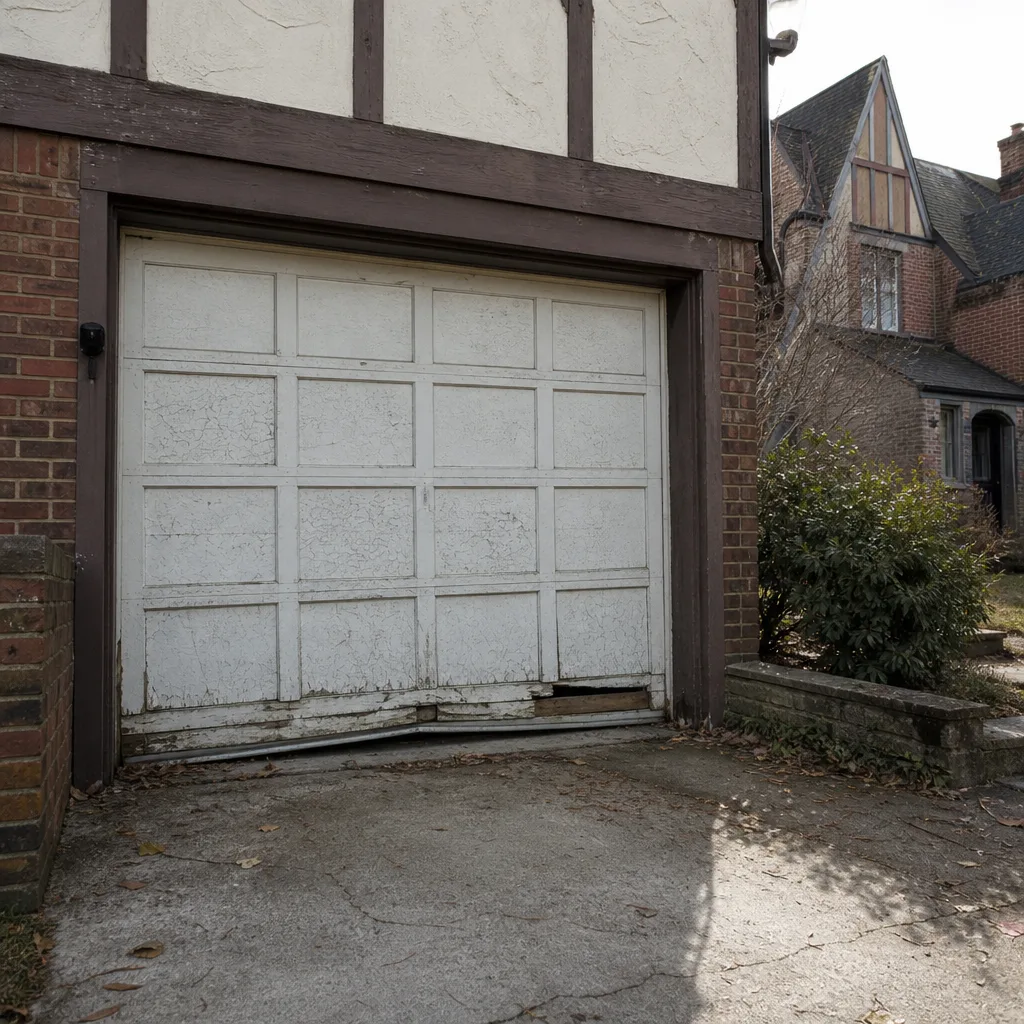 Before
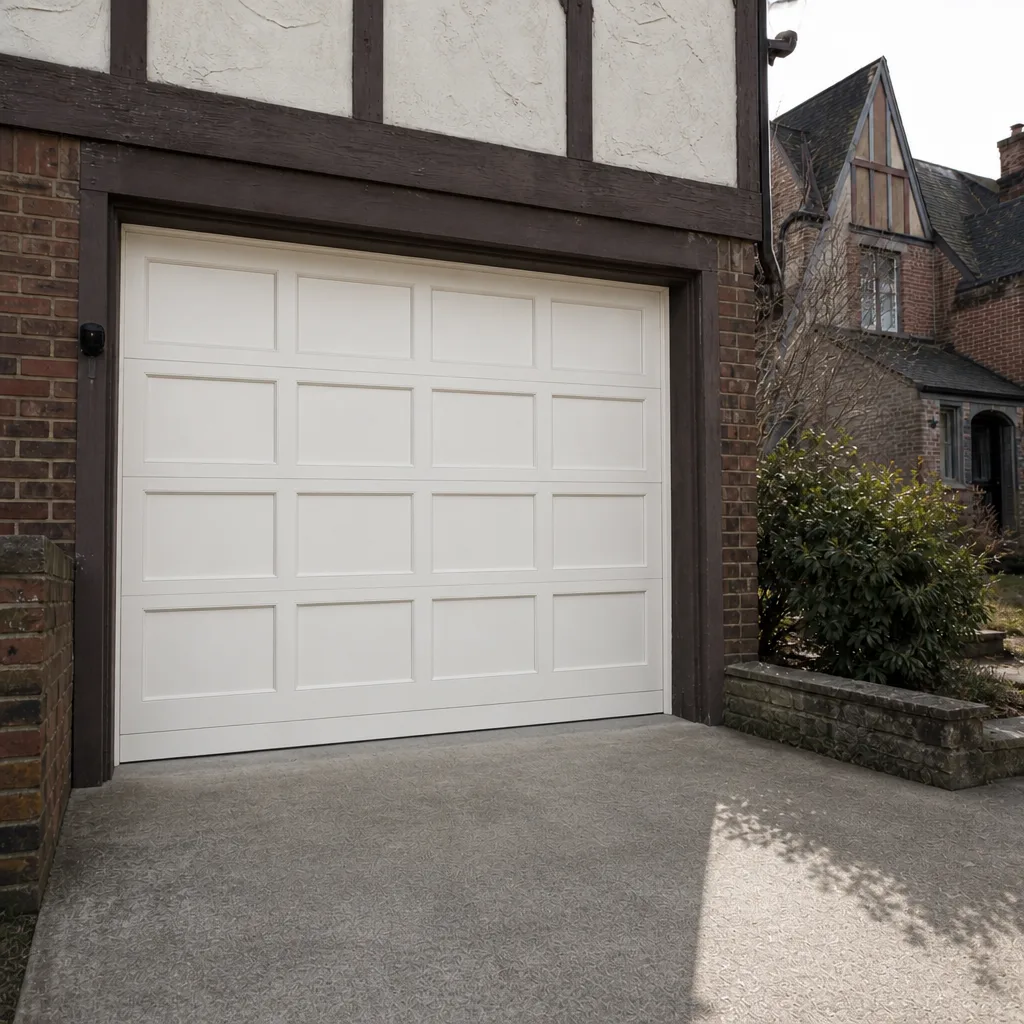 After
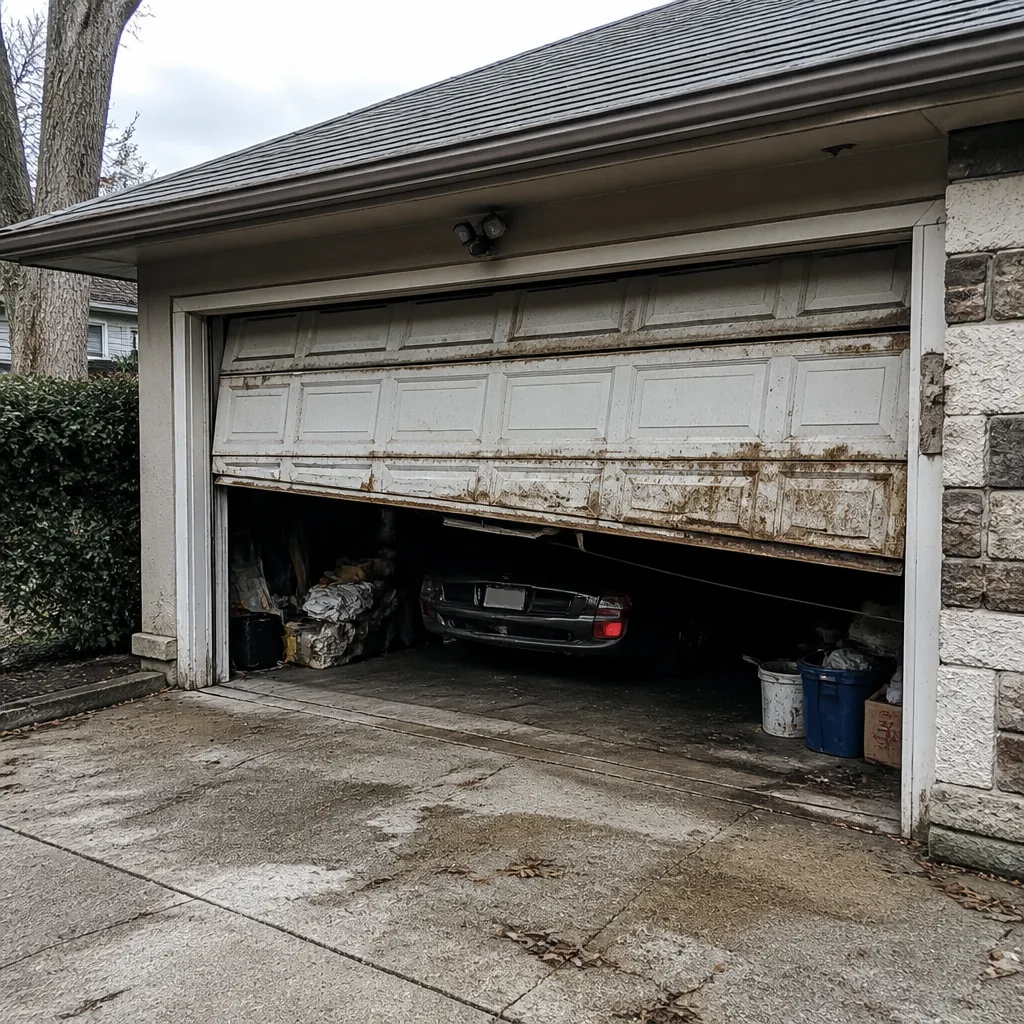 Before
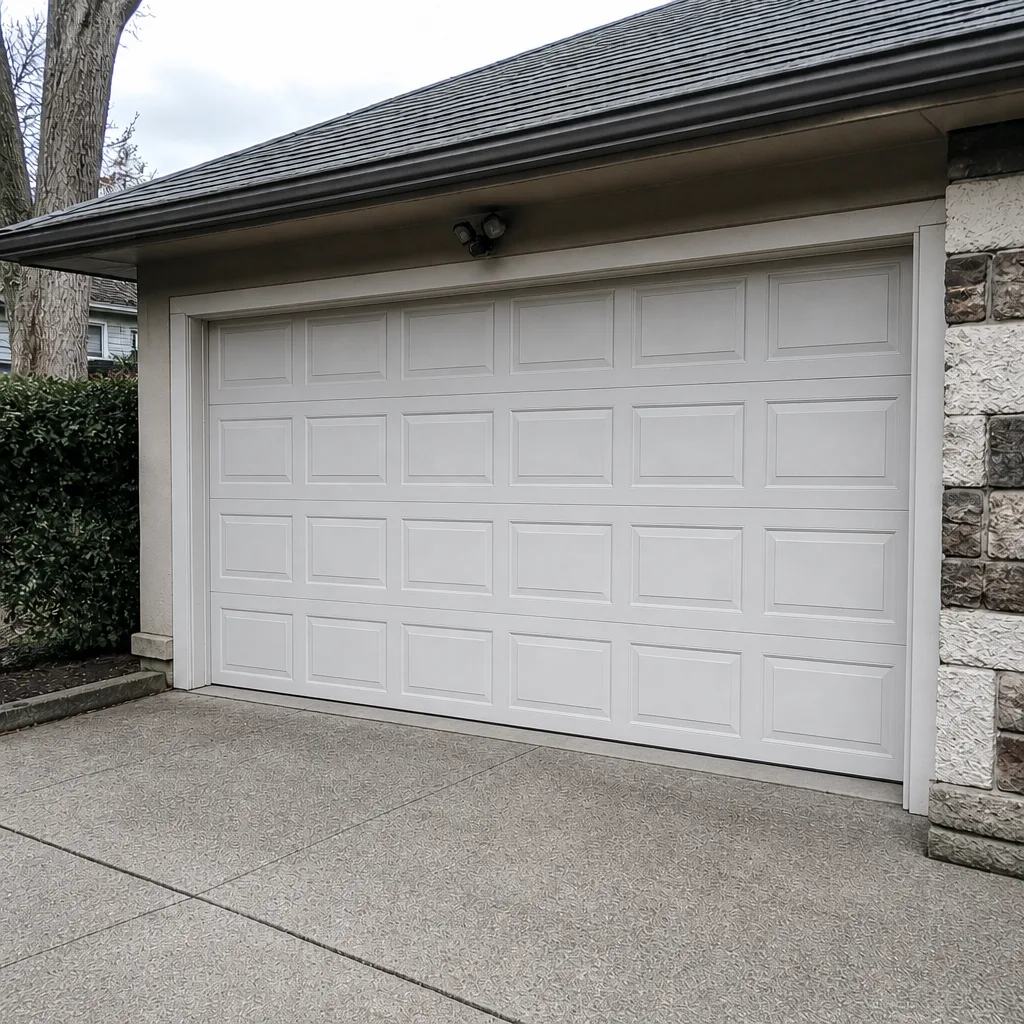 After
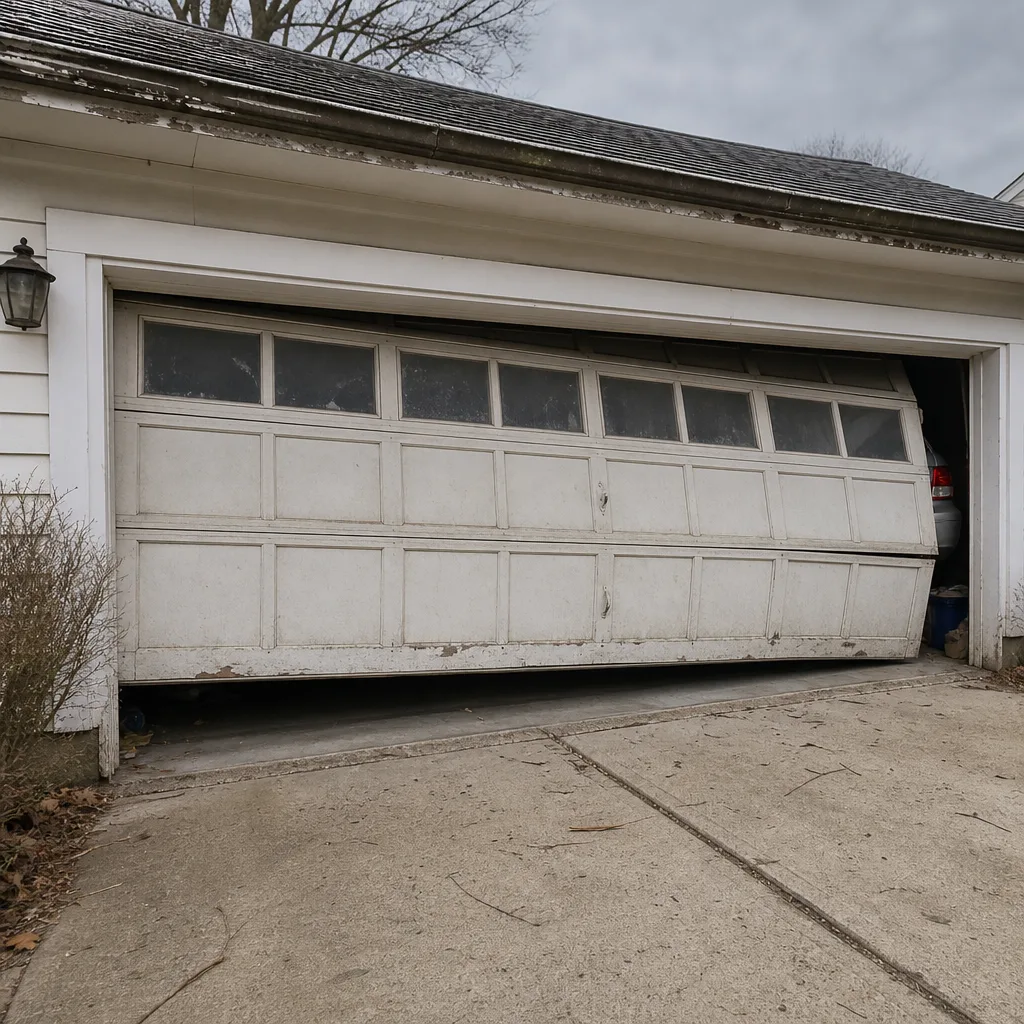 Before
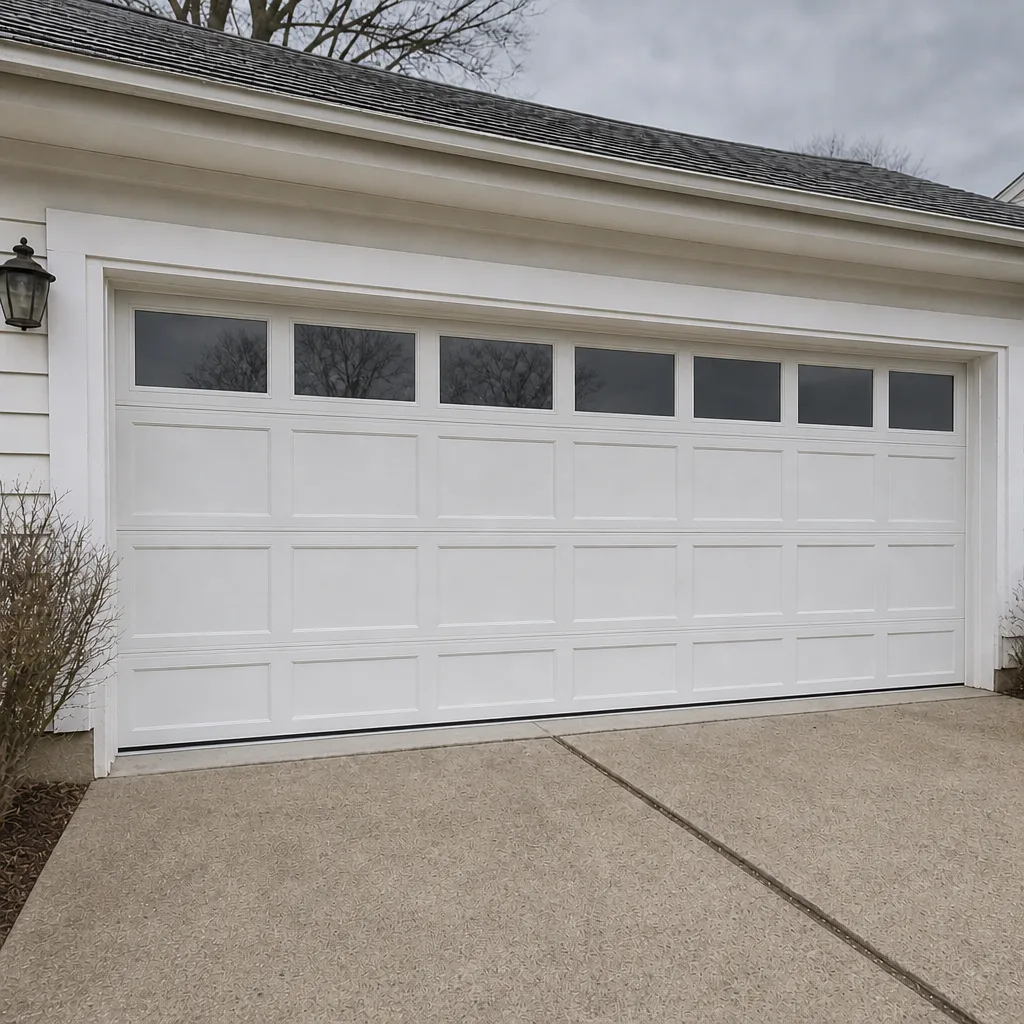 After
When to Call a Professional
Some garage door work is genuinely DIY-friendly: new weather seal, rollers, a fresh remote, a safety sensor realignment. But the moment a job involves a spring, a cable, an anchor, a header, or electrical rough-in, it belongs with a trained technician. Those components store serious energy, and a mistake with a torsion spring or a cable under tension can cause real injury. If the door won’t stay up, feels suddenly heavy, or the cables are visibly slack, stop using it and get it looked at.
If your Forest Hills door is due for a repair, an inspection, or a replacement, and you’re not sure whether a permit is involved, that’s a conversation worth having early. Forest Hills Garage Door Repair Pros offers free estimates in Forest Hills. Call (855) 658-4356. We answer 24/7. Fast dispatch from 7am to 7pm, Sunday through Friday. We work on LiftMaster, Chamberlain, Craftsman, and Raynor systems specifically, and we can walk through the permit question as part of the scope. For an overview of everything we handle, start with Forest Hills Garage Door Repair Pros.
Frequently Asked Questions
Usually not, if it’s a same-size, same-type replacement with the same spring system. A NYC DOB permit is more likely required if the job changes the spring system type, modifies the structural header, adds an opener and rough-in wiring to a manual door, or changes the opening’s dimensions. When in doubt, check with the DOB before work starts, since the written scope is what determines the filing. Call (855) 658-4356 for an exact quote. Estimates are free.
Yes, a same-type spring replacement, torsion for torsion or extension for extension, is repair work and typically doesn’t require a permit. Converting from one spring type to another is a different job and can cross into structural territory that needs a filing. Spring work carries real safety risk, so it belongs with a trained technician regardless of the permit question.
A buyer’s inspector can flag a structural change or a new opener with no DOB record, which typically leads to a price negotiation or an after-the-fact filing to bring the work into compliance. Because Forest Hills has older detached garages and historic district adjacency, those details come up during buyer due diligence. A permitted job with a clean record avoids the problem entirely.
In some cases, yes, but the practical answer depends on what’s being done. Electrical rough-in for a new opener generally requires a licensed electrician to file. Structural header changes and spring conversions are the jobs where a licensed contractor should handle the scope and the paperwork. Forest Hills Garage Door Repair Pros works with you on the scope and the filing question before work starts, and the price is quoted and agreed before any work begins.
The inspector checks the structural header and anchorage, spring system and anchor condition, auto-reverse and safety sensors, manual release, tracks and cables, weather seal, and egress clearance if applicable. It’s the same checklist a careful installation should already satisfy. Preparing by testing the door and having the scope and spec sheet on hand makes the visit straightforward.
We answer 24/7, and fast dispatch runs from 7am to 7pm, Sunday through Friday, so same-day service is often possible for repairs and emergency calls. Installation, replacement, and new-door work is measured, ordered, and scheduled, so that work is planned, not same-day. Either way, the price is set per job by the written estimate before any work starts. Call (855) 658-4356.
The Bottom Line
The permit question for a garage door in Forest Hills comes down to one principle: what changed structurally, not how big the job felt. Same-type spring replacement and same-size door swaps usually don’t need a DOB filing. Spring system conversions, header modifications, new opener rough-in, and opening changes usually do. Historic district adjacency adds a separate review for exterior door style and color. Get the answer before you order the door, keep the written scope and receipt even when no permit is required, and treat spring and header work as professional territory. If you’re in Forest Hills and want a straight answer on your specific job, call (855) 658-4356 for a free estimate.
Written by the team at Forest Hills Garage Door Repair Pros.