
Last updated November 21, 2026
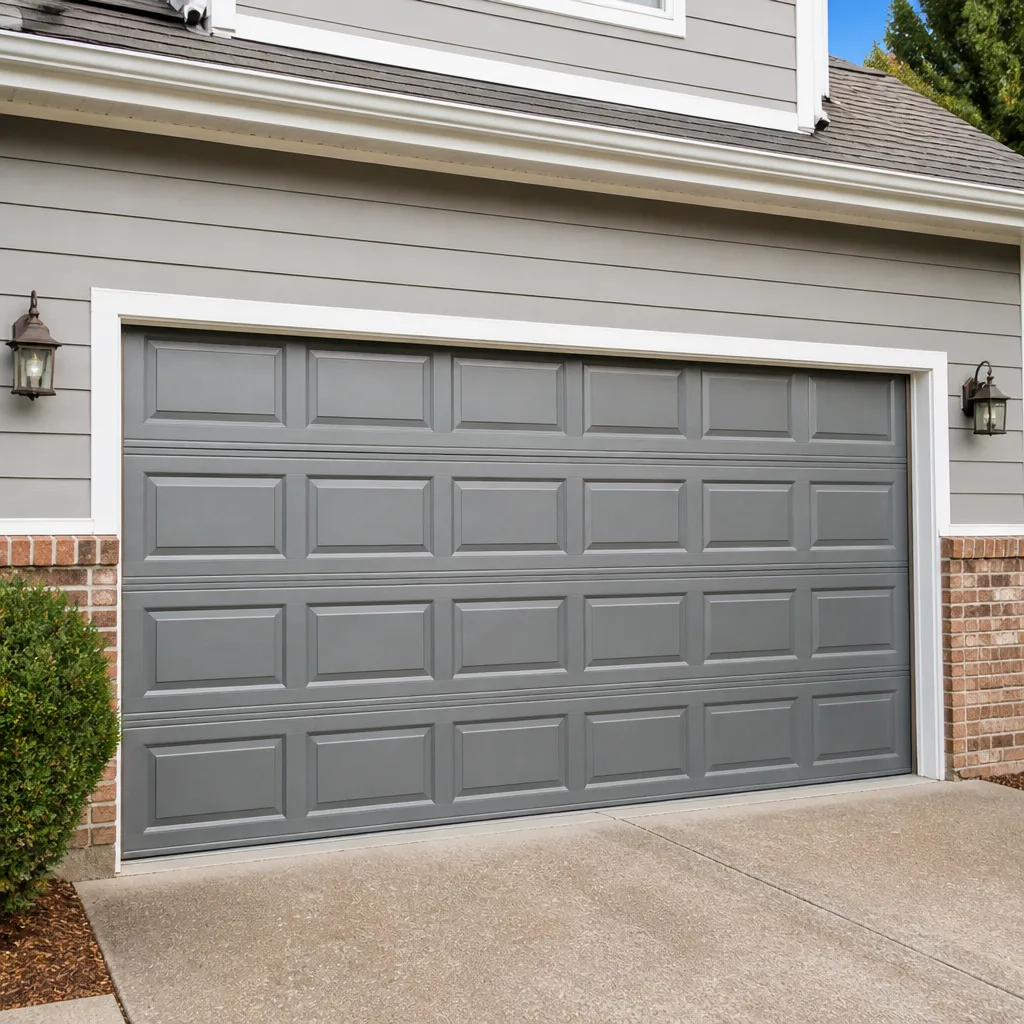 Raised-panel steel
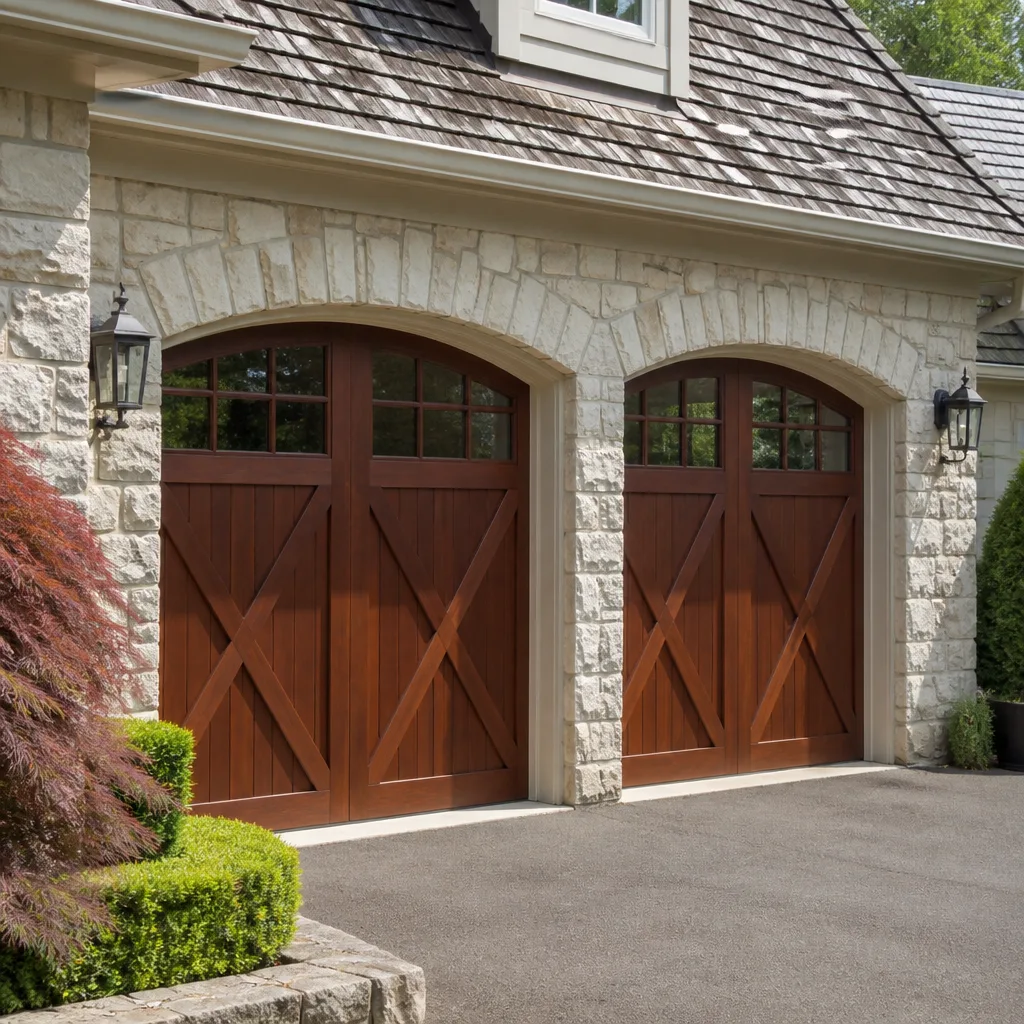 Carriage house
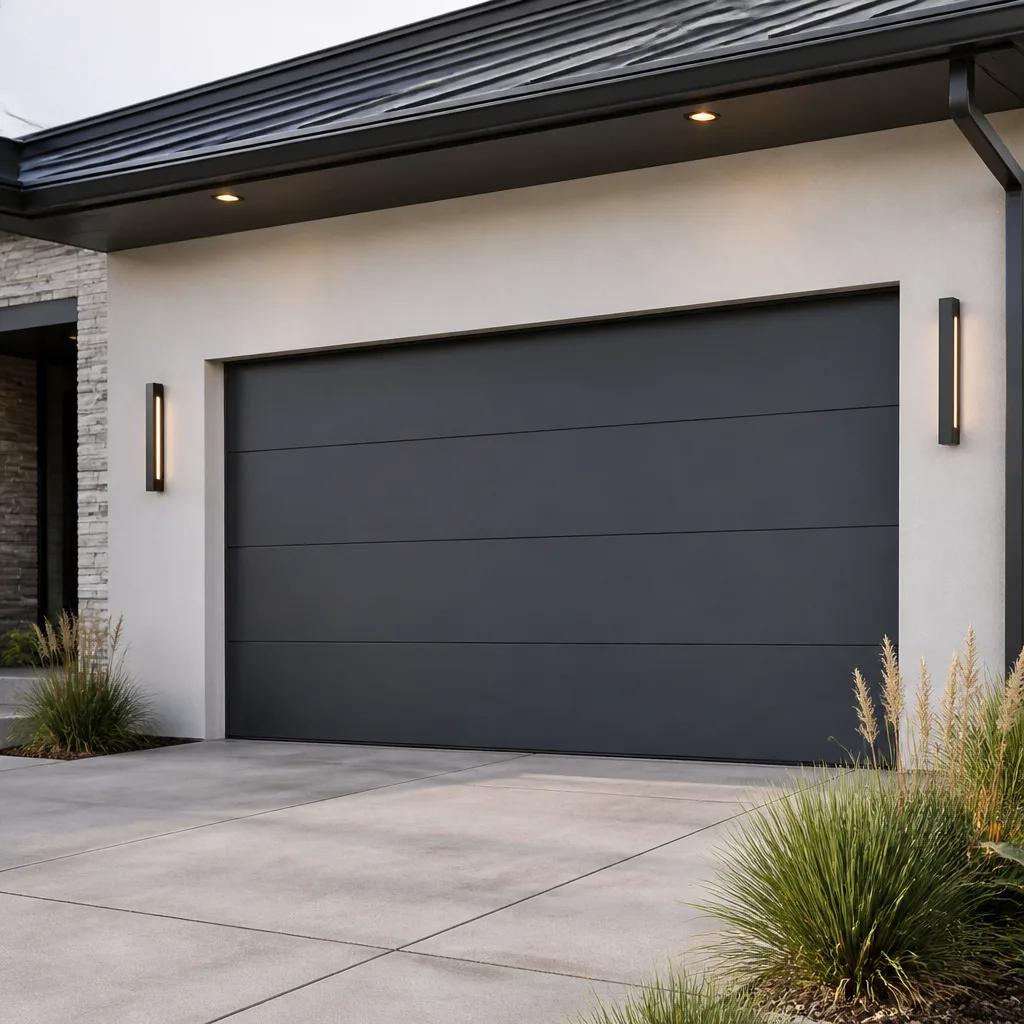 Modern flush
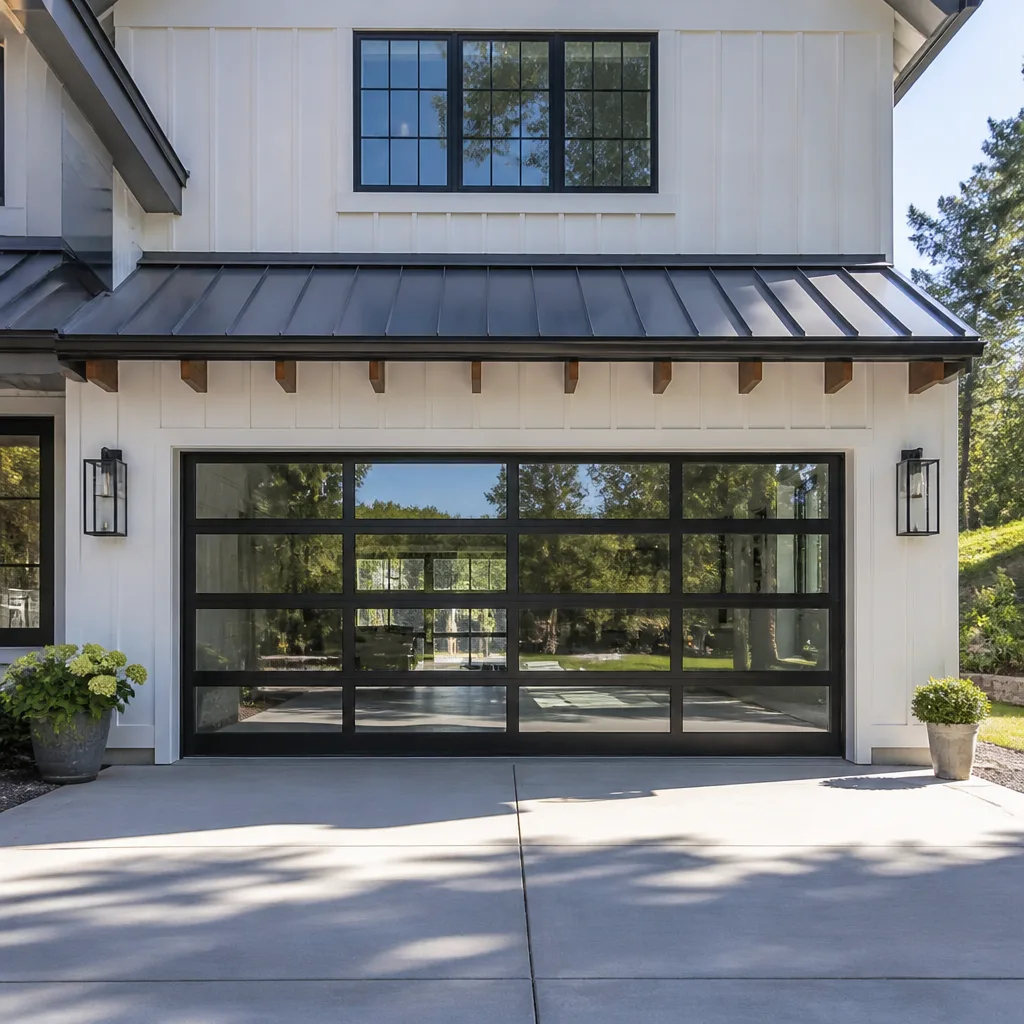 Full-view glass
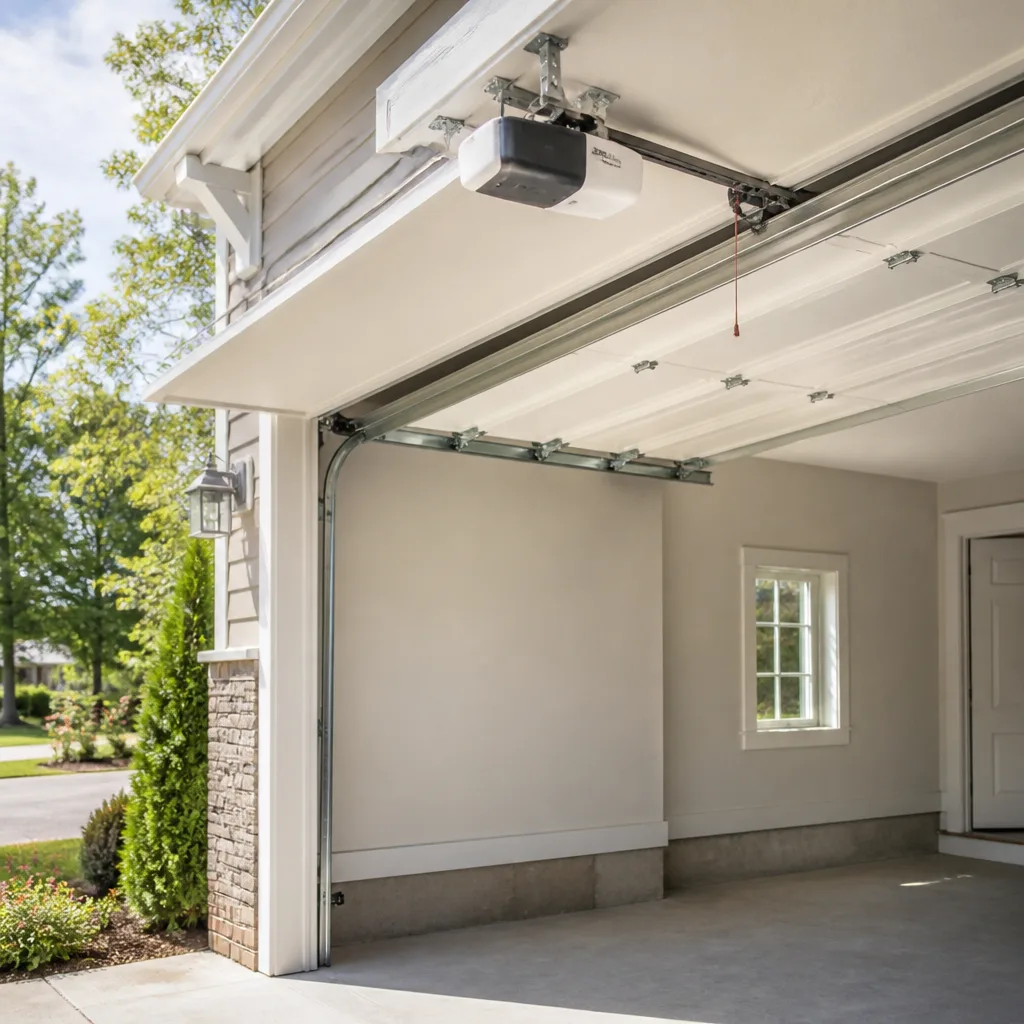 LiftMaster openers
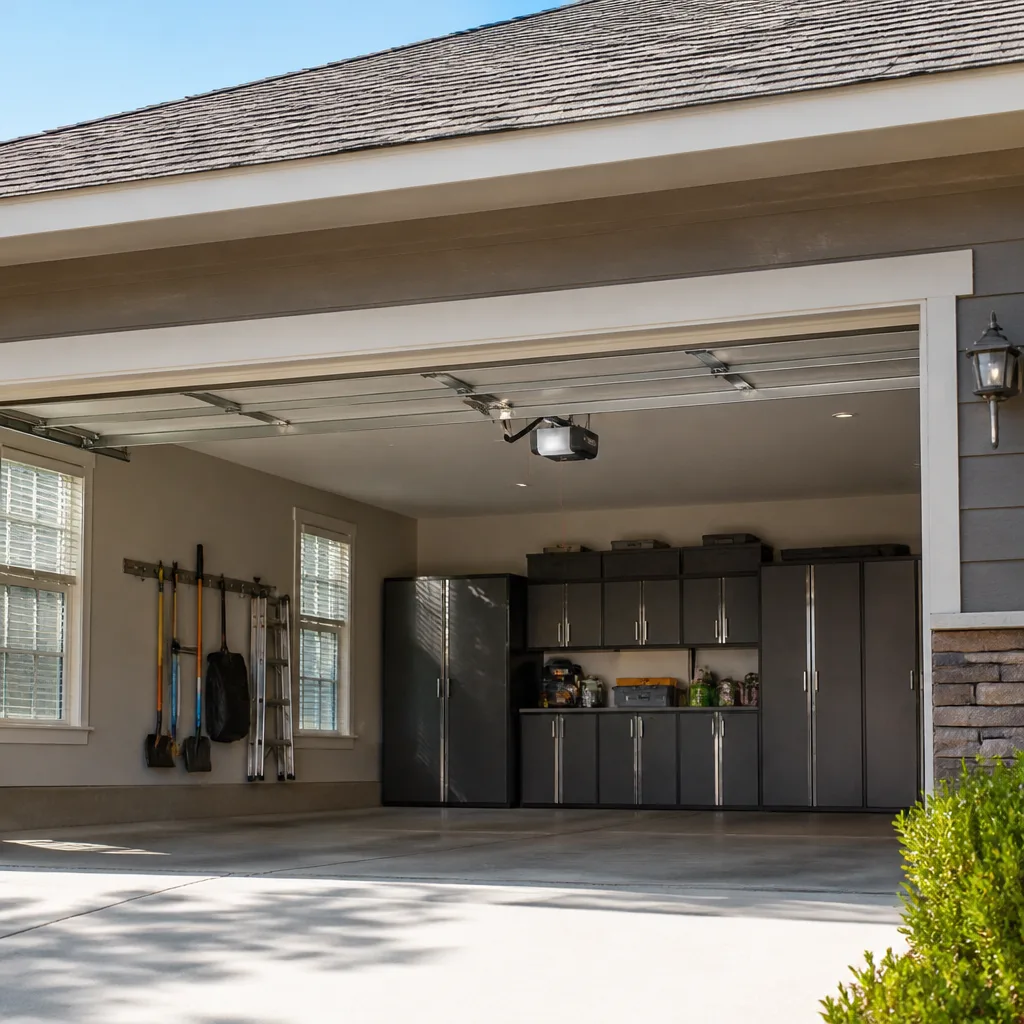 Chamberlain openers
Full 25-point door and opener safety check with every visit - springs, cables, rollers, tracks, and your LiftMaster or Chamberlain opener included
You get a price before we start. It does not change when the pro arrives.
Get your free estimateHow to Hire a Garage Door Contractor in Forest Hills: A Step-by-Step Guide
Most homeowners hire a garage door contractor the way they’d hire a painter: check the star rating, ask for a number, book it. That process filters out almost nothing. The shops that substitute a cheaper spring than the one on the quote, or send a helper to do torsion work that needs a trained hand, also know exactly how to collect good reviews. The questions in this guide are different. They’re the ones a real technician answers without pausing, and the ones a sales operation stumbles over. We’ve written this for Forest Hills homeowners who rely on their door every single day, and who want to know what to ask before anyone touches a spring, an opener, or a panel.
Quick Answer
To hire a garage door contractor in Forest Hills, ask five things before booking: what spring type and cycle rating they’ll install, whether spring work is done by their own technicians or subcontracted, what their licensing and liability coverage actually cover on garage door work, whether they’re familiar with your specific brand (LiftMaster, Chamberlain, Genie, Clopay, and others), and whether the written quote lists parts and labor as separate line items. A contractor who can’t answer those five clearly is a contractor to skip, no matter how many reviews they’ve collected.
Styles & brands we work with
- Raised-panel steel
- Carriage house
- Modern flush
- Full-view glass
- LiftMaster openers
- Chamberlain openers
Table of Contents
- Why Reviews and Quotes Don’t Filter Contractors
- The Five Technical Questions to Ask Before You Book
- What Licensing and Insurance Actually Look Like in New York
- How to Read a Garage Door Quote Line by Line
- Red Flags Specific to Forest Hills
- How to Verify a Technician Works on Your Brand
- Hiring Under Pressure: Emergency Service Without the Guesswork
- Repair or Replace? How to Decide Before You Hire
Why Reviews and Quotes Don’t Filter Contractors
Star ratings tell you whether a company shows up and is polite. They don’t tell you what grade of spring went into the door, whether the bearing plates were reused when they shouldn’t have been, or whether the technician who showed up had ever opened a torsion tube before. Those are the details that decide whether a repair lasts five years or fifteen months, and they’re invisible in a review because most homeowners never see them. In our experience, the customer leaves a five-star review the same afternoon the door opens and closes smoothly. Nobody rates a job two winters later.
Quotes have the same blind spot. A number tells you the total, not the reasoning. A $280 spring replacement and a $480 spring replacement can look like the same job on a text message, when one is a single oil-tempered spring on its last cycle life and the other is a matched pair rated for a much higher number of cycles. The gap isn’t markup. It’s parts.
There’s a second reason the usual vetting fails in a city like Forest Hills. The housing stock here is old and varied: brick Tudors, colonials, apartment buildings with shared garages, and plenty of homes where the garage was added or reconfigured long after the house was built. That means door sizes, headroom, and track configurations vary more street to street than they do in a new development. A contractor who mostly works newer construction may be genuinely experienced and still unfamiliar with what’s above your door. The technical questions below close that gap, because they force the contractor to talk about your specific situation instead of the general one.
One more thing worth saying plainly: this guide isn’t about finding the cheapest quote. It’s about finding the quote you can trust not to change once the truck is in the driveway. Those are different goals, and chasing the first one is how people end up paying for the second.
The Five Technical Questions to Ask Before You Book
Ask these on the phone before you schedule anything. A qualified garage door technician answers them in plain language and without getting defensive. A salesperson deflects or promises to “have the tech explain it on site.”
- “What spring type and cycle rating will you install?” This is the single most revealing question you can ask. Torsion springs and extension springs are rated in cycles, and the rating is stamped or specified on the part. A shop that buys the cheapest available cycle rating and a shop that specs a longer-life spring are both legitimate, but only one of them will volunteer the number. If they can’t tell you the rating on what they’d put on your door, they either don’t know or don’t want you to.
- “Is the spring work done by your technicians or subcontracted?” Spring work carries real risk and requires proper winding bars, the right technique, and a technician who understands stored energy. Some lighter-service shops quietly pass spring jobs to someone else. That’s not automatically a problem, but you should know who’s doing the work and whether they’re covered.
- “What happens if you open the door and find something else wrong?” The answer you want is a call to you before any extra work starts, with a revised price you approve. The answer you don’t want is a surprise line item at the end.
- “Which brands do you work on regularly?” Not “all brands.” Which ones. A technician who genuinely handles LiftMaster and Chamberlain openers will tell you what typically fails on them. A generalist will answer in generalities.
- “Will the written estimate list parts and labor separately?” If the answer is no, ask why not. A quote that separates the spring from the labor from any track or roller work is auditable. A single lump sum protects the contractor, not you.
You can also ask a sixth, softer question: “Have you done a door like mine in this neighborhood?” It’s not a trick. Forest Hills garages run from tight one-car setups to deeper two-car bays, and familiarity with the local configurations saves everyone time. Just don’t treat a yes as proof. Treat the first five answers as the proof.
What Licensing and Insurance Actually Look Like in New York
Here’s where homeowners get tripped up. New York does not have a single statewide garage door contractor license the way some states license specific trades. Home improvement work in New York falls under the state’s home improvement contractor requirements and, in many cases, under local licensing through the city or the county. So when a contractor says “we’re licensed,” the useful follow-up is: licensed for what, by whom, and can I see the number?
The second half of the question is insurance. General liability coverage is not all the same. A policy written for general handyman or remodeling work may not squarely cover garage door hazards, which include heavy overhead doors, high-tension springs, and electrical connections at the opener. If a door comes down on a vehicle or a technician is injured on a spring, the gap between “has liability insurance” and “has coverage for this work” is the difference between a resolved problem and a legal one. Ask for a certificate of insurance naming the work. A contractor with proper coverage provides it without friction.
- Ask for the license number and the issuing authority, then check it. Don’t accept “we’re fully licensed” as an answer.
- Ask for a certificate of insurance that’s current and specifically covers garage door installation and repair, not just general contracting.
- Confirm worker coverage if anyone other than the person you’re talking to will be at your home. An uninsured helper on a ladder is your exposure, not theirs.
- Get the contractor’s business name and address in writing, not just a cell number. Out-of-borough operations rely on a phone number with no paper trail.
We won’t tell you a specific license number here, because the right one depends on how the contractor is set up and where they’re registered. What we will tell you is that a legitimate contractor volunteers documentation and doesn’t treat the request as an insult.
How to Read a Garage Door Quote Line by Line
A garage door estimate is a short document, which is exactly why it’s easy to hide things in it. The best quotes read like a parts list with labor attached. Here’s what should show up as separate items.
- Spring type and cycle rating – torsion or extension, and the cycle rating of the part going on the door. If you’re replacing a pair, the quote should say so and price accordingly.
- Number of springs – a matched pair replaced together costs roughly twice a single spring. A quote that doesn’t say whether it’s one or two is a quote you can’t compare.
- Labor, broken out – ideally with any zone or travel component shown clearly rather than folded into the parts price.
- Hardware and consumables – cables, drums, rollers, hinges, bearing plates. If any of these are being replaced, they should appear. If they’re being reused, the quote should say that too.
- Opener model and specs, if an opener is involved – the model number, not just the brand.
- Disposal – who hauls away the old door or springs, and whether that’s included.
On general ranges: garage door spring repair in the Forest Hills area typically runs from about $180 to $340 for a single spring, and a matched pair sits roughly double that. Opener repair is usually in the $120 to $260 range depending on the part. These are typical estimates, not promises, and the written quote is what sets the final price. If a line item isn’t on the paper, it isn’t covered, and you should ask about it before anyone starts working.
The most important line on any quote is the one that says the work won’t start until you’ve agreed to the price. Every legitimate job starts with that conversation. If it doesn’t, that’s your answer.
Red Flags Specific to Forest Hills
Forest Hills has a few quirks that out-of-borough contractors routinely miss, and those misses are the red flags to watch for on the quote and on the phone.
- They don’t know the driveway configurations. Forest Hills lots vary from deep driveways to narrow ones that barely fit a car, and door sizes follow. A contractor who hasn’t thought about how a truck and a door panel get into your driveway is a contractor who hasn’t been here.
- They’re vague on permit requirements. Garage door work sometimes needs a permit and sometimes doesn’t, and the rules depend on the scope and the structure. A contractor who says “you never need a permit for a door” without asking about your setup is guessing. The right answer is to check with the city’s building department, and a good contractor will say that.
- They quote over text without looking. A door size, spring type, and track configuration can’t be confirmed from a photo taken at a bad angle. A real quote follows a real measure.
- They can’t name a local point of contact. If the only address you get is a phone number, there’s no way to follow up if something goes wrong.
- They push a full replacement on a door that has years left. Forest Hills has plenty of older doors in good structural shape. A panel or a spring isn’t a reason to replace a door.
- They won’t answer the five technical questions. Every other red flag tends to show up behind this one.
The neighborhood context matters here, too. Forest Hills is close to Forest Park and the geometry of the streets around Austin Street and Continental Avenue, and the housing mix there includes a lot of attached and semi-detached homes where the garage is shared or tucked under living space. Those layouts sometimes limit headroom and change which spring and track configuration will actually work. A contractor who’s seen those setups before avoids surprises.
How to Verify a Technician Works on Your Brand
Brand familiarity is where the difference between a generalist and a specialist shows up fastest. A Clopay door has different panel and hardware characteristics than a Wayne Dalton or Amarr, and a LiftMaster opener’s logic board, travel limits, and safety reverse setup differ from a Chamberlain or a Genie. A technician who works on those systems regularly knows the failure patterns by heart. One who works on “whatever shows up” is diagnosing from scratch every time.
Here’s how to check, in order:
- Name your brand on the phone and listen. “What do you typically see fail on a Genie opener of that vintage?” A specialist pauses and tells you. A generalist pivots to a sales pitch.
- Ask what parts they’d expect to need. A Clopay door with a specific hinge pattern, a Wayne Dalton TorqueMaster setup, a LiftMaster belt drive – each has its own parts story. The technician should describe it.
- Ask how they’d verify the opener’s safety reverse before they leave. This is a code requirement and a safety matter, and a trained technician has a routine answer about testing the contact reversal and the photo-eye alignment.
- Confirm the brand on the written quote. If they’re installing a LiftMaster opener, the model number should appear. If it doesn’t, ask for it.
We work on LiftMaster, Chamberlain, Genie, Clopay, Amarr, Wayne Dalton, Craftsman, and Raynor systems specifically, and that list means we can usually tell you what’s wrong with a stuck door before we arrive. You don’t have to hire us to benefit from this test. Ask it of anyone you’re considering. It filters fast. For door-level fixes there’s a whole breakdown of what’s involved on our garage door repair page, and opener-specific work is covered under garage door opener repair.
Hiring Under Pressure: Emergency Service Without the Guesswork
When the door won’t open and the car is trapped, you don’t have time for a five-question interview. That’s why the vetting belongs here, on a calm day, not on the morning of a failure. But even under pressure there’s a short version of the test: call, describe the symptom, and listen to the first answer.
A trained technician asks a diagnostic question. “Is the opener running and the door not moving, or is the opener silent?” A broken spring and a dead opener produce very different symptoms, and the answer changes the response. A sales-driven call center books a slot without asking. In our experience, the best emergency calls start with a technician who already knows what to look for.
When you do call, expect these details to be relevant:
- The symptom – opener runs but door doesn’t move; door moves a few inches and stops; door is stuck open; door is off its track; garage door opener light is on but nothing happens.
- The door type – sectional, single-panel, roll-up, one-car or two-car, and whether there’s a torsion bar or extension springs.
- The opener brand – LiftMaster, Chamberlain, Genie, and the model if you can see it.
- Whether the door is safe to leave as-is – a door hung at an angle on a broken spring shouldn’t be forced. Say so if you’re not sure.
Speed and safety are connected here. A door with a broken spring looks like it could be lifted manually “just this once,” and that’s exactly the situation where people get hurt. Leave it, call, and let a trained technician handle it. When you call Forest Hills Garage Door Repair Pros for an emergency, you can expect a trained response and same-day scheduling wherever the schedule allows. And you’ll get the price before the work starts, even on an emergency call.
Repair or Replace? How to Decide Before You Hire
Half the value in hiring well is knowing what to hire someone to do. Here’s a short framework.
- Repair makes sense when the door’s structure is sound, the opener is functioning, and the failure is a single component: a spring, a cable, a roller, a hinge, or an opener logic board.
- Replace the door when panels are dented or rotted beyond repair, the tracks are bent beyond adjustment, or the door’s age and wear have started compounding across multiple components.
- Replace the opener when the logic board or motor has failed on an older unit and parts are no longer available for your brand and model, or when the opener’s safety reverse can’t be made to work reliably.
- Replace both together when you’re upgrading the door and the opener is past the point where it can safely handle the new door’s weight and balance.
If you’re in the replace category, the work changes shape entirely. It’s measured, ordered, and scheduled, and the price is set by a written estimate after the measure. That’s a different process from a same-day repair, so plan accordingly. You can read more about that on our garage door installation page, and the broader picture of who we are and how we work is on our Forest Hills Garage Door Repair Pros page.
Common Mistakes to Avoid
- Booking on price alone. Two quotes twenty percent apart often reflect a different spring grade, not a different profit margin. Ask what changed in the parts, not the total.
- Accepting “all brands” as an answer. Every shop says it. Ask them to name what typically fails on your specific opener brand, and judge the reply.
- Letting a technician sell you a new door when a spring failed. A spring, cable, or roller failure doesn’t mean the door is done. A trained technician separates the two.
- Skipping the insurance certificate. In New York, general liability coverage doesn’t always include garage door-specific hazards. Ask for the certificate and read it.
- Hiring over the phone with no written quote. If the estimate isn’t in writing before work starts, the price isn’t set. That’s a hard line, not a preference.
- Forcing the door after a failure. Openers aren’t designed to compensate for a broken spring, and trying to lift the door manually is genuinely dangerous. Leave it.
- Using an out-of-borough contractor who doesn’t know the local garage layouts. Forest Hills driveways and older attached garages have their own geometry. Local familiarity isn’t marketing; it’s fewer surprises on install day.
See the difference
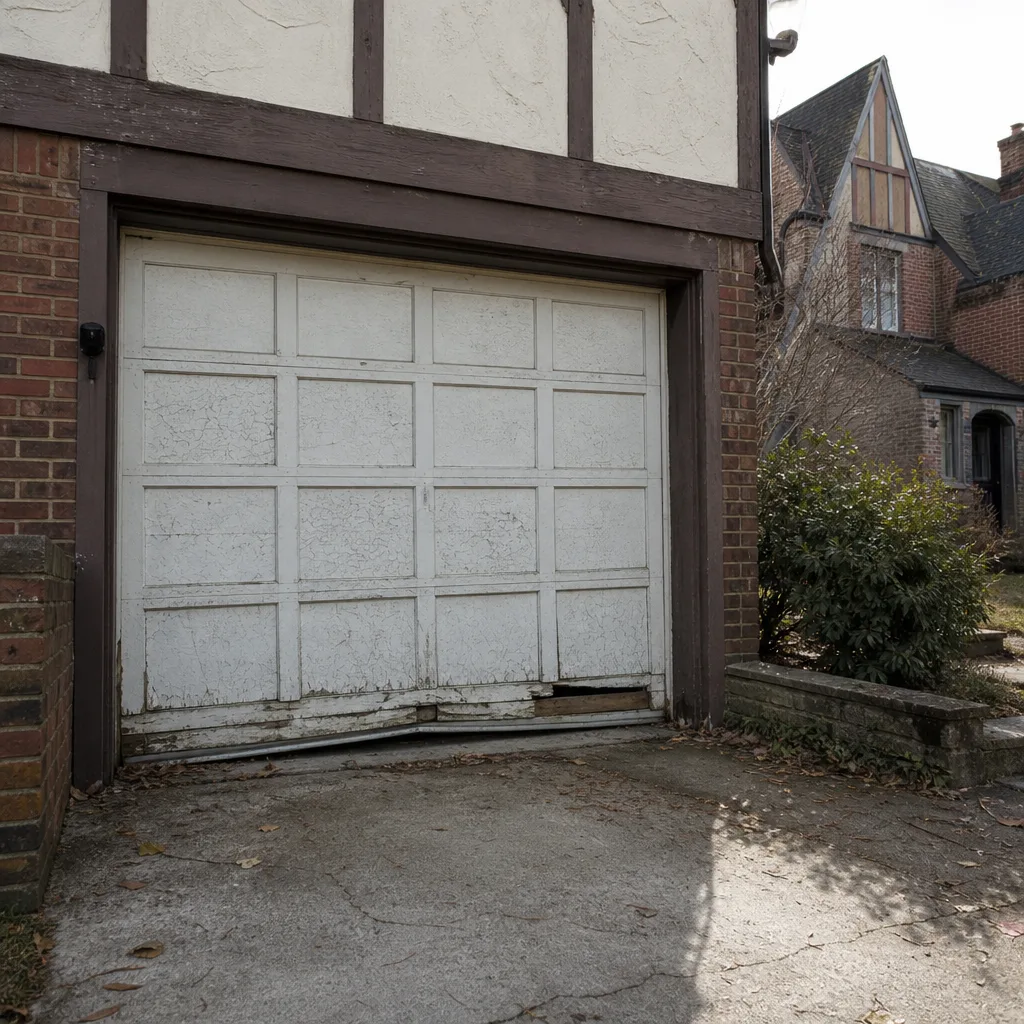 Before
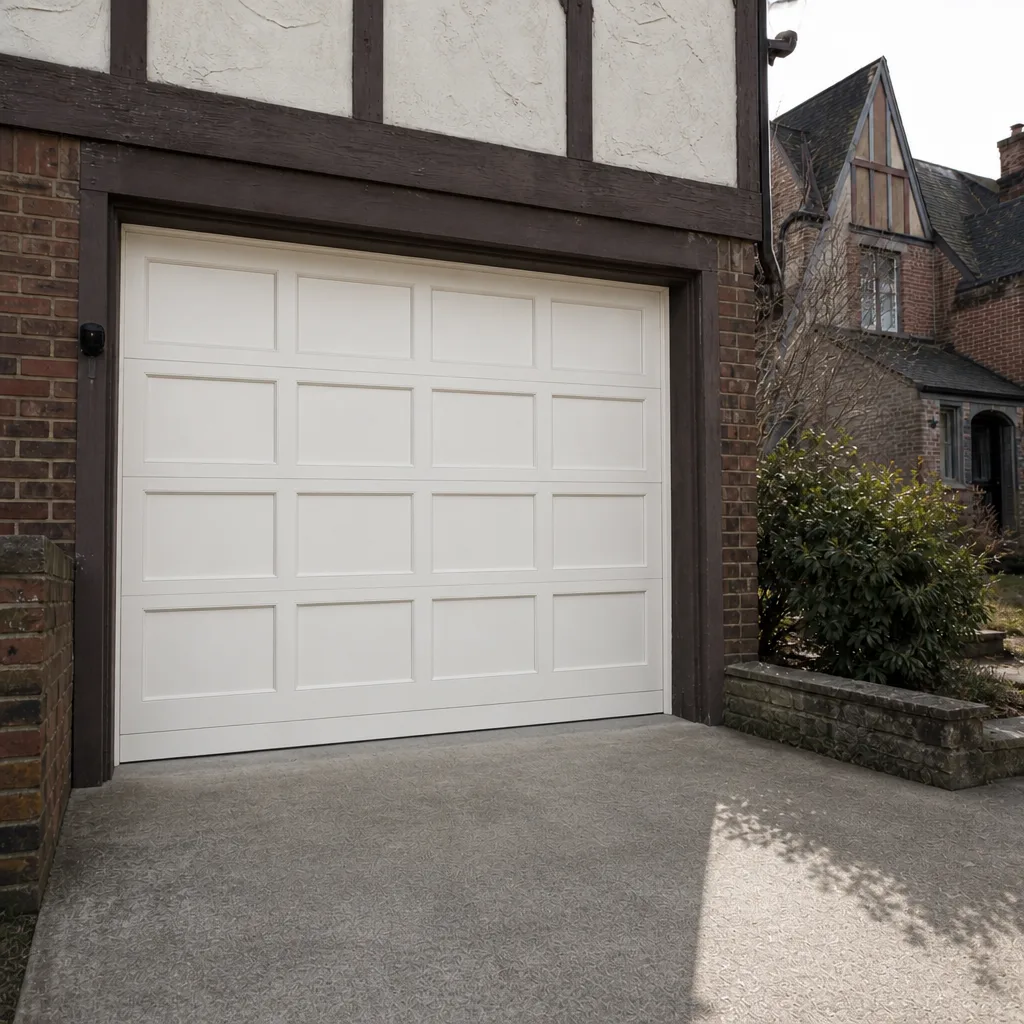 After
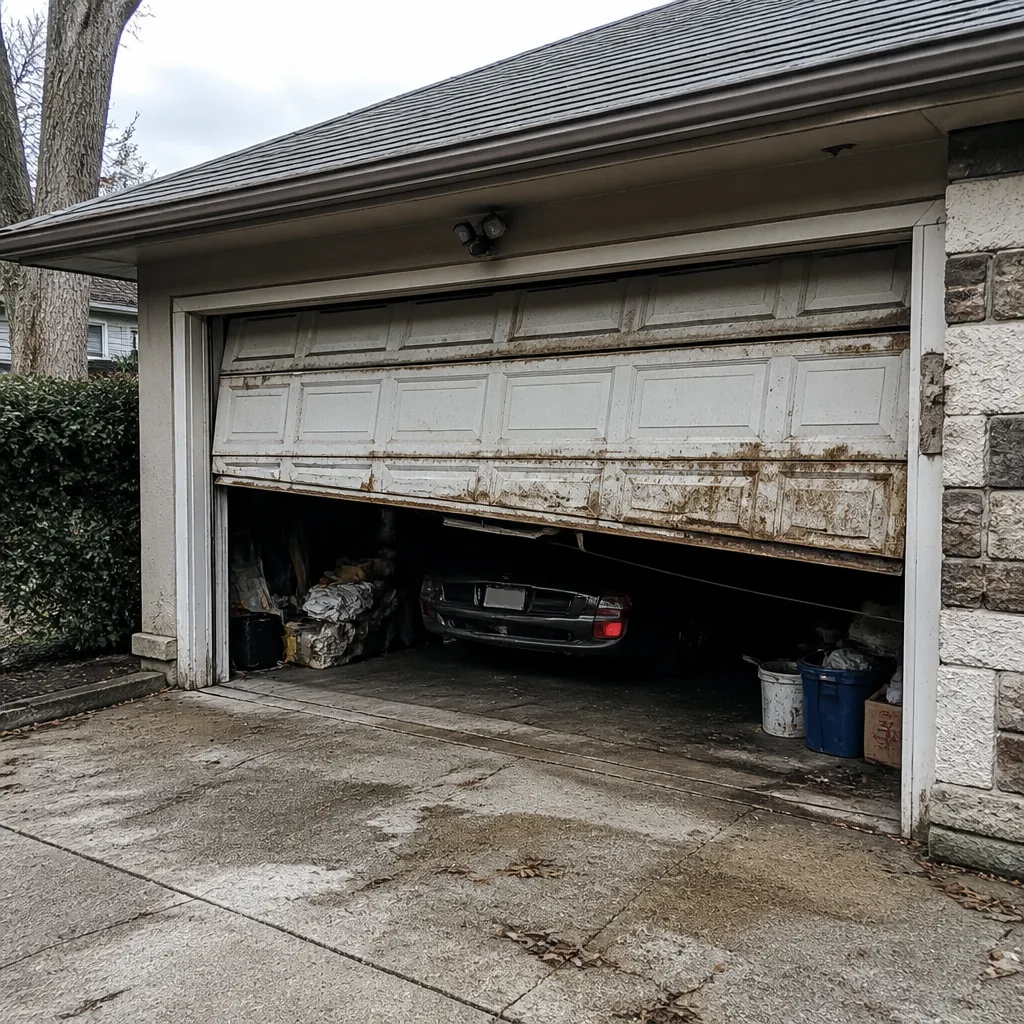 Before
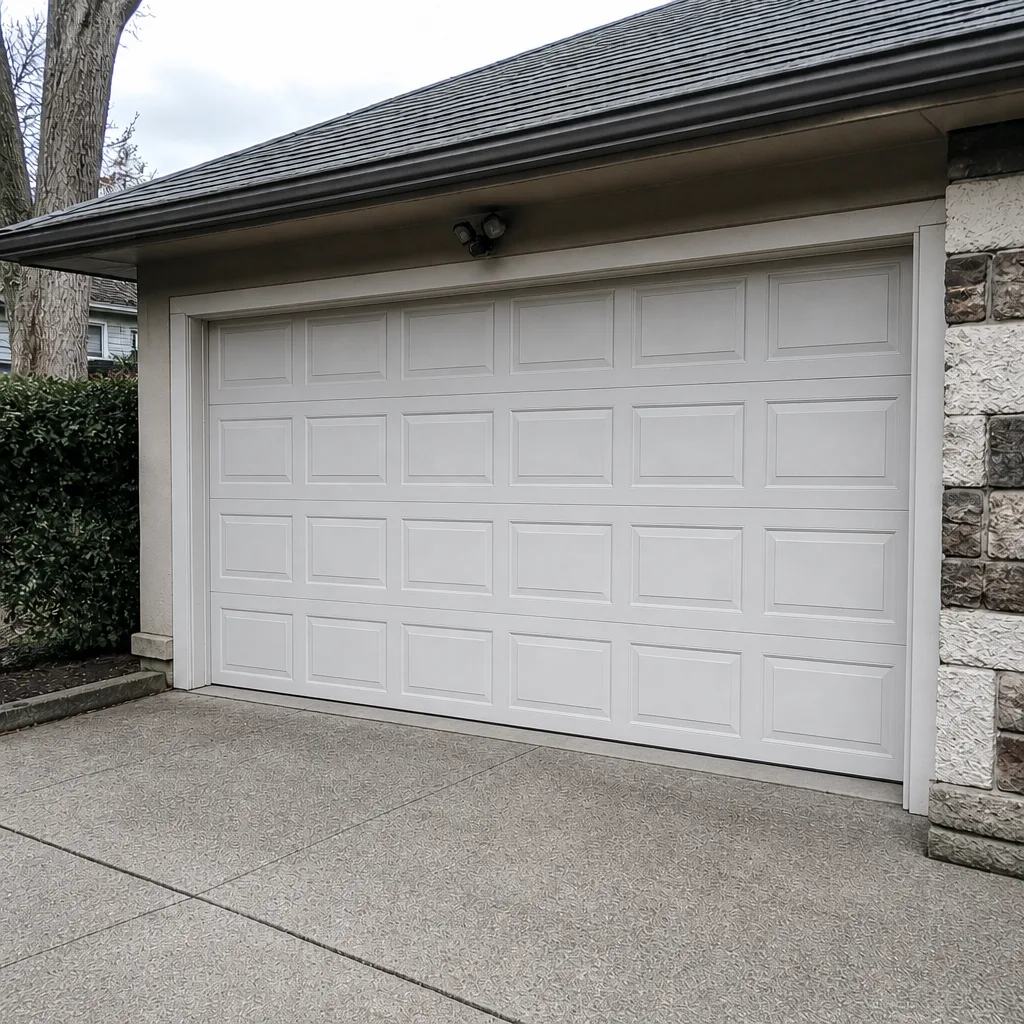 After
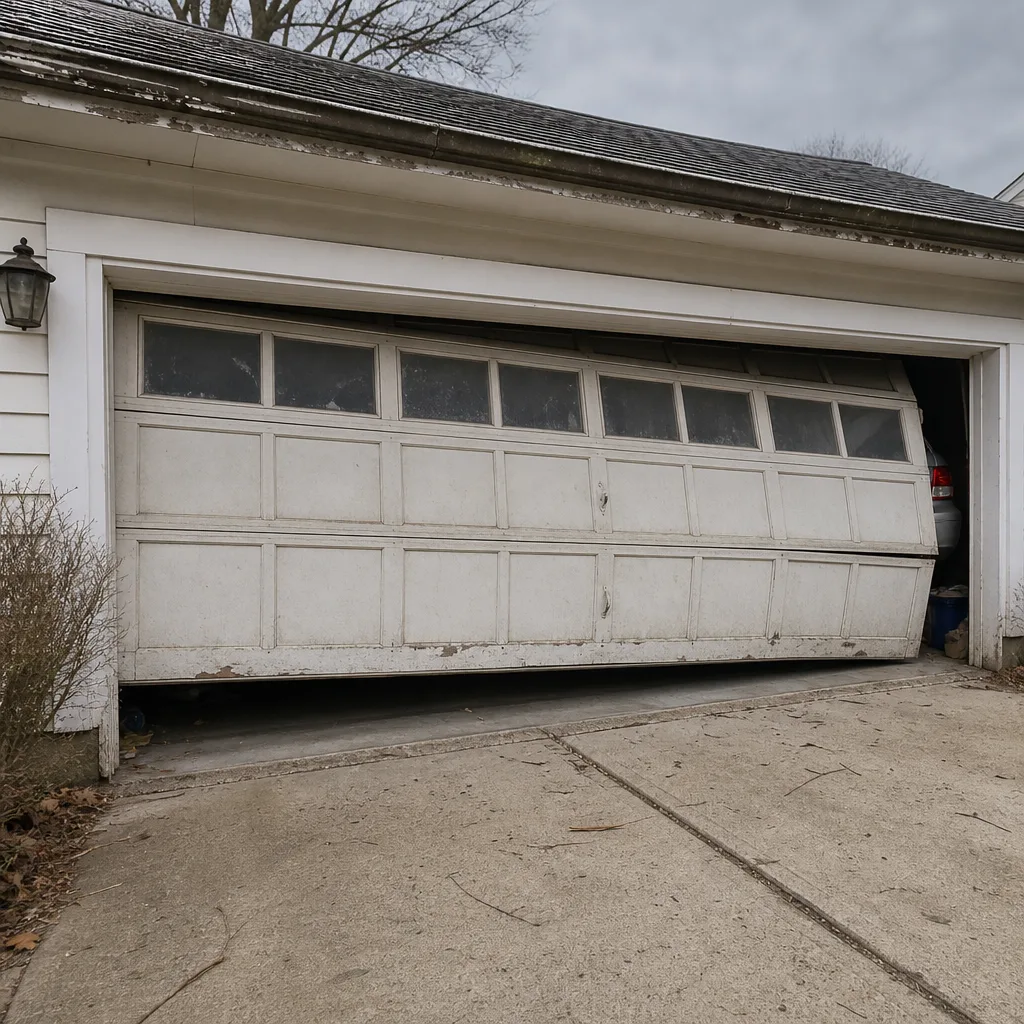 Before
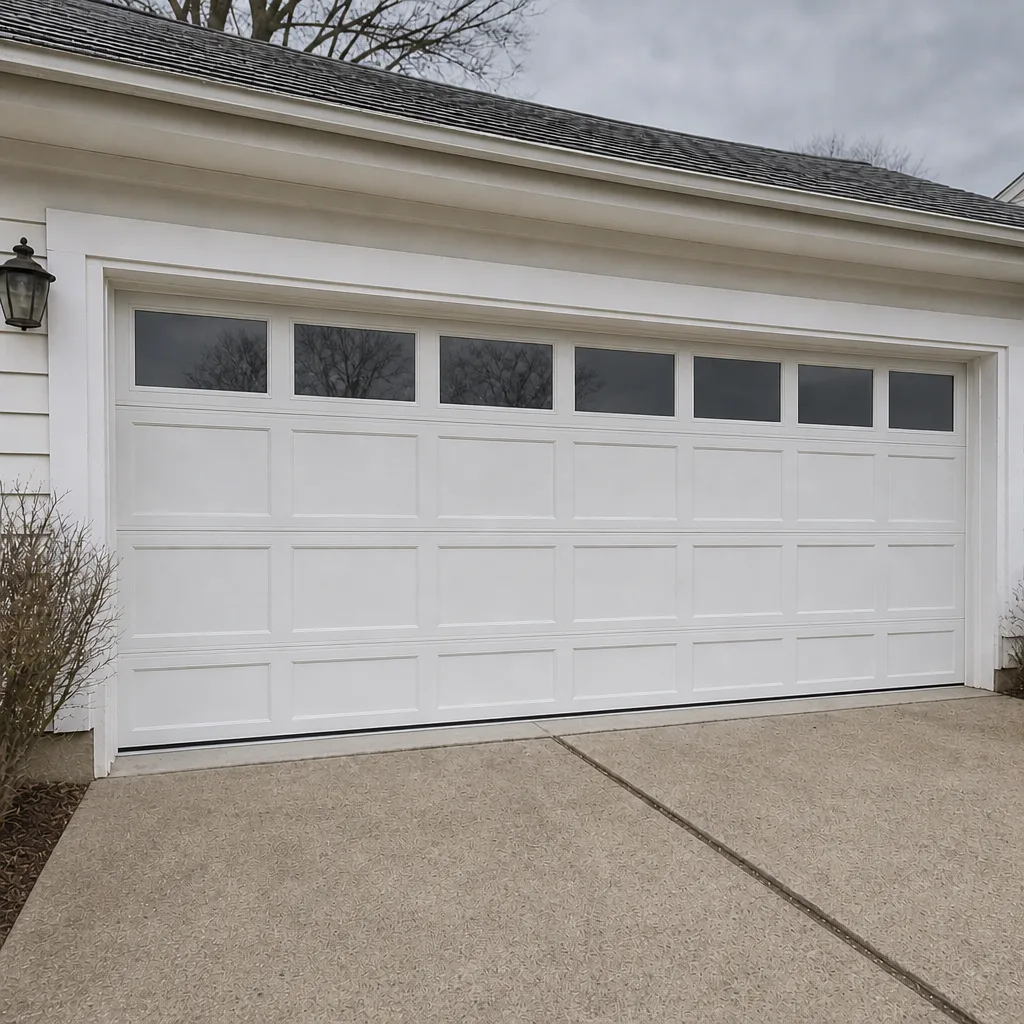 After
When to Call a Professional
Call a professional when the door won’t open or close, when you hear a loud snap and the door drops a few inches, when a cable has visibly come off its drum, when the door is crooked in its tracks, or when the opener runs but the door doesn’t move. Call when the opener’s safety reverse fails its test. Call before you try to manually lift a door that might have a broken spring. These are the situations where a trained technician handles the job safely, and where a helper or a DIY attempt carries real risk. Forest Hills Garage Door Repair Pros offers free estimates in Forest Hills: call (855) 658-4356. We answer 24/7, with fast dispatch from 7am to 7pm, Sunday through Friday.
Frequently Asked Questions
A single spring replacement in the Forest Hills area typically costs $180 to $340, and a matched pair, which is usually replaced together, runs roughly double that. Opener repair tends to fall in the $120 to $260 range. These are typical estimates; the written quote sets the final price. Call (855) 658-4356 for an exact quote. Estimates are free.
Yes, same-day service is available for repair calls when the schedule allows, and emergency service is a core offering rather than an add-on. Call (855) 658-4356 and describe the symptom. We answer 24/7, with fast dispatch from 7am to 7pm, Sunday through Friday.
No. The written quote is the price, and extra work requires your approval before anything starts. If the technician finds something else wrong during the visit, you’ll get a revised price and the choice to proceed. Call (855) 658-4356 for your free estimate.
New York doesn’t have a single statewide garage door contractor license; home improvement work falls under state and local requirements, so ask any contractor for their license number and the issuing authority, plus a certificate of insurance that specifically covers garage door work. A legitimate contractor provides both without hesitation. Call (855) 658-4356 to talk through what our vetted local professionals carry.
Because the spring is usually different. Spring replacement quotes vary mainly in the cycle rating of the part being installed, the number of springs replaced, and whether the price separates parts from labor. Ask for the cycle rating and the count on every quote you compare. Call (855) 658-4356 for a written estimate with those items broken out.
Yes. Forest Hills Garage Door Repair Pros works on LiftMaster, Chamberlain, Genie, Clopay, Amarr, Wayne Dalton, Craftsman, and Raynor systems specifically, which means diagnosis starts from known failure patterns for your brand rather than from scratch. Our technicians have up to 8 years of experience on those systems. Call (855) 658-4356 to discuss your opener.
The Bottom Line
The way to hire a garage door contractor in Forest Hills is to stop treating it like a review-and-quote exercise. Ask the five technical questions: spring type and cycle rating, who does the spring work, what happens if something else is found, which brands the technician actually handles, and whether the quote separates parts from labor. Ask for the license number and a certificate of insurance that covers garage door work specifically. Read the quote for spring count and cycle rating, not just the total. When you find a contractor who answers all of that without flinching, you’ve found the one worth hiring. And if you’re the one with the door stuck right now, skip the interview and just call.
Forest Hills Garage Door Repair Pros handles repair, opener service, spring work, and full door installation for homeowners across Forest Hills and the surrounding neighborhoods. Call (855) 658-4356 for a free estimate. We answer 24/7, with fast dispatch from 7am to 7pm, Sunday through Friday.
Written by the team at Forest Hills Garage Door Repair Pros.