
Last updated November 21, 2026
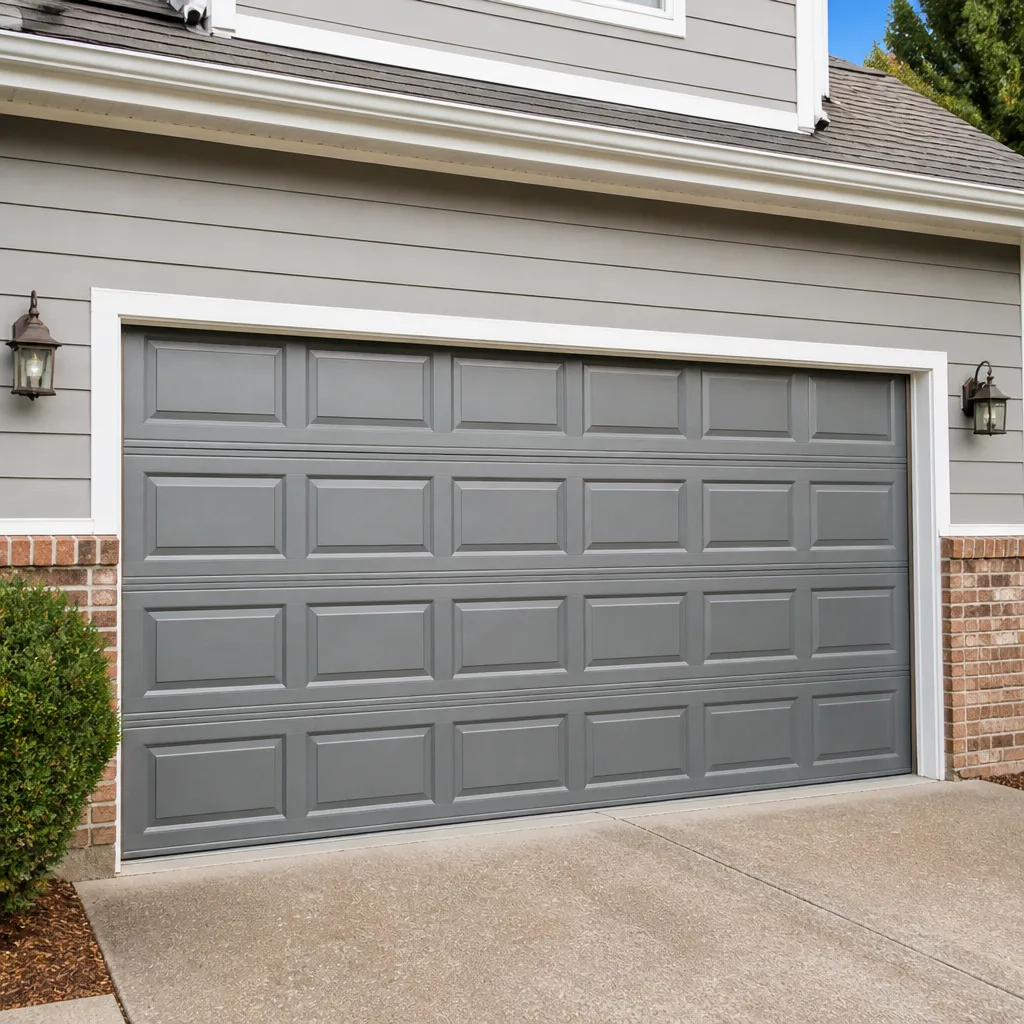 Raised-panel steel
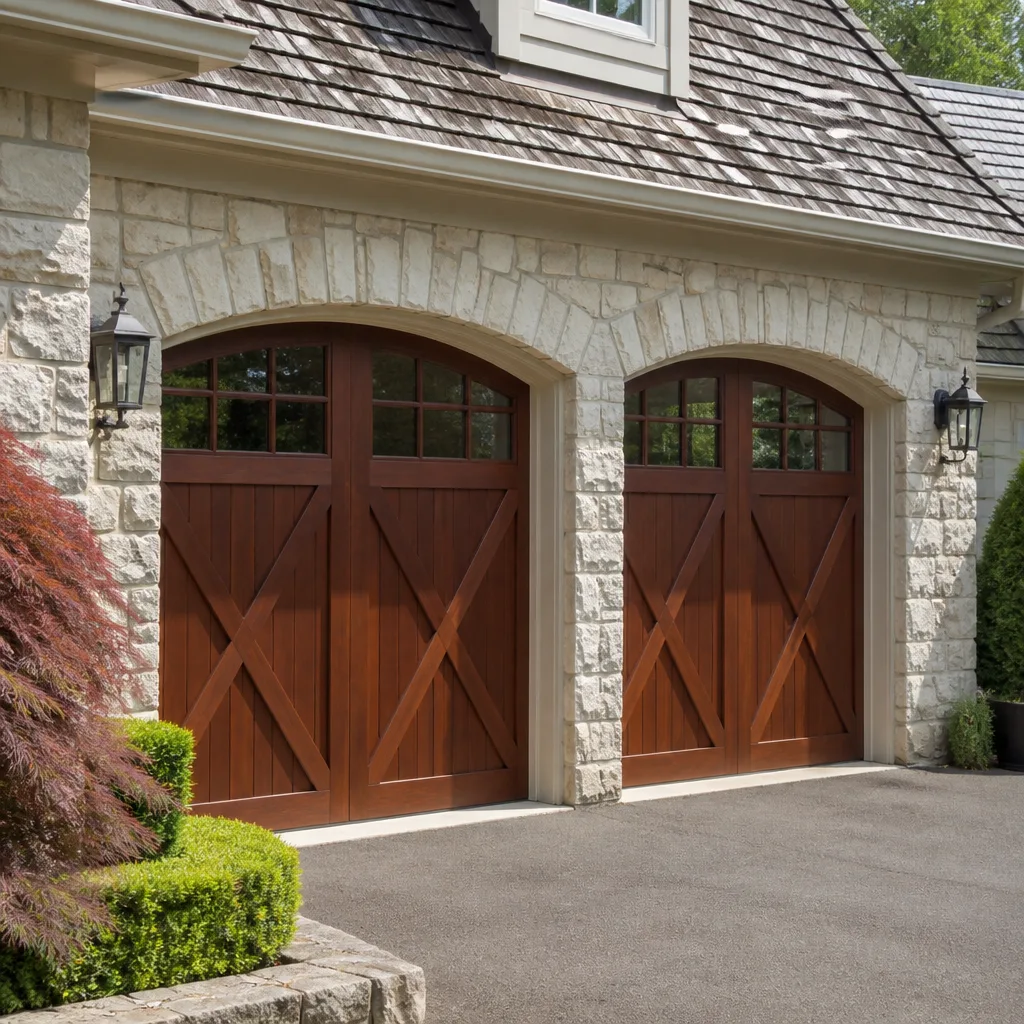 Carriage house
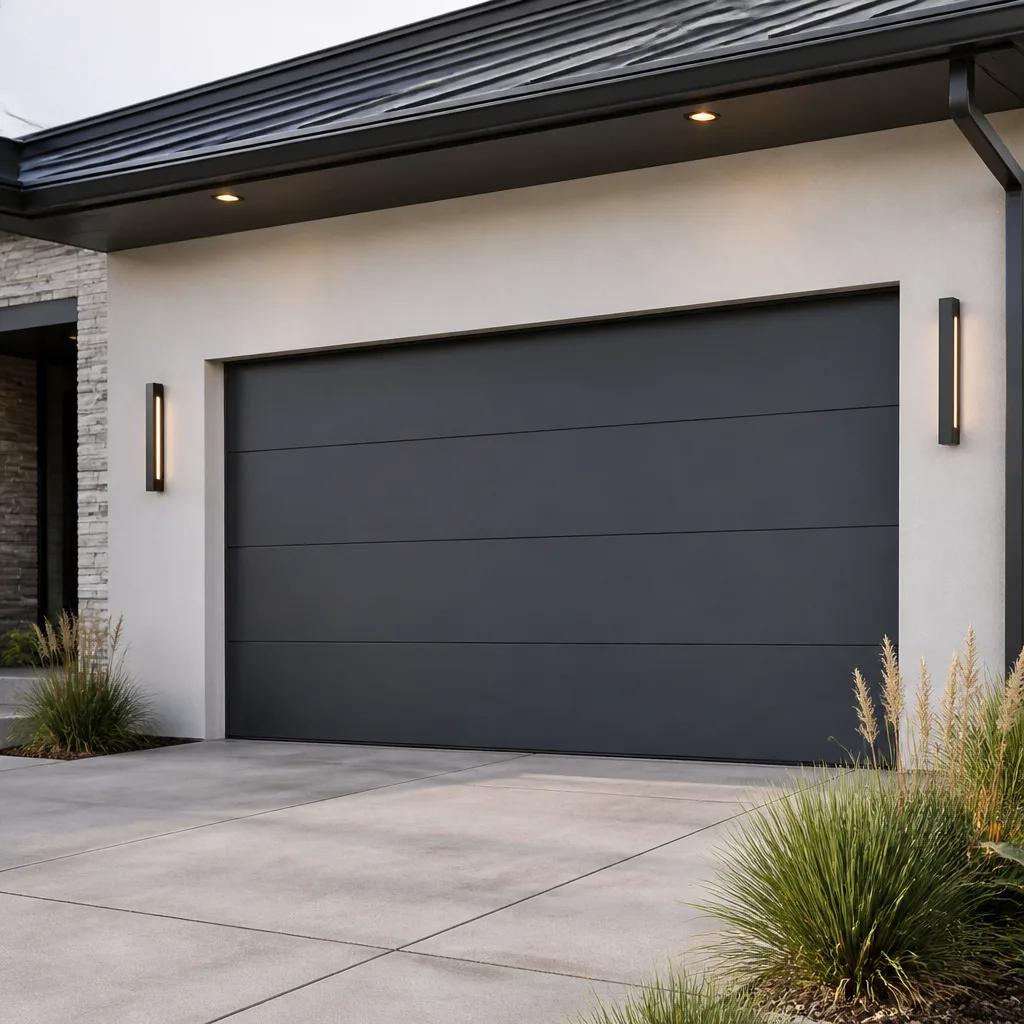 Modern flush
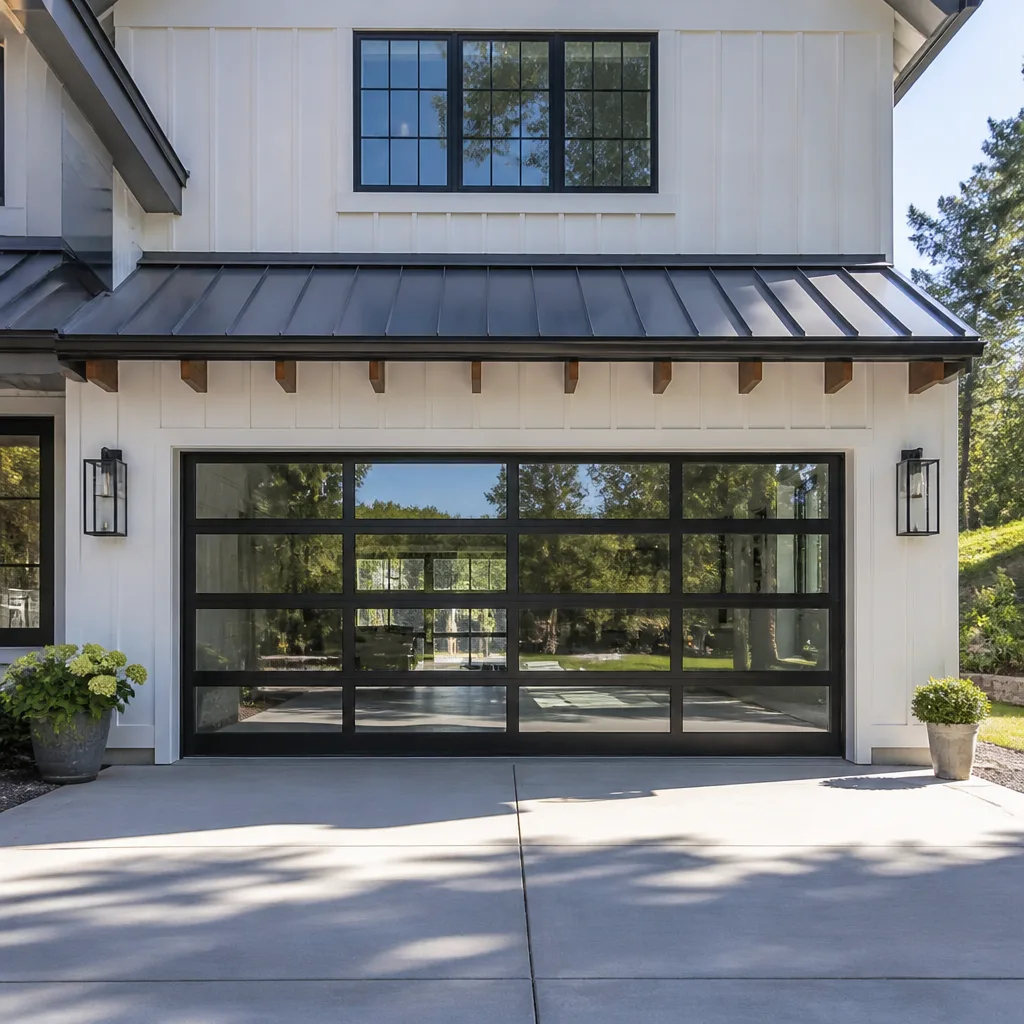 Full-view glass
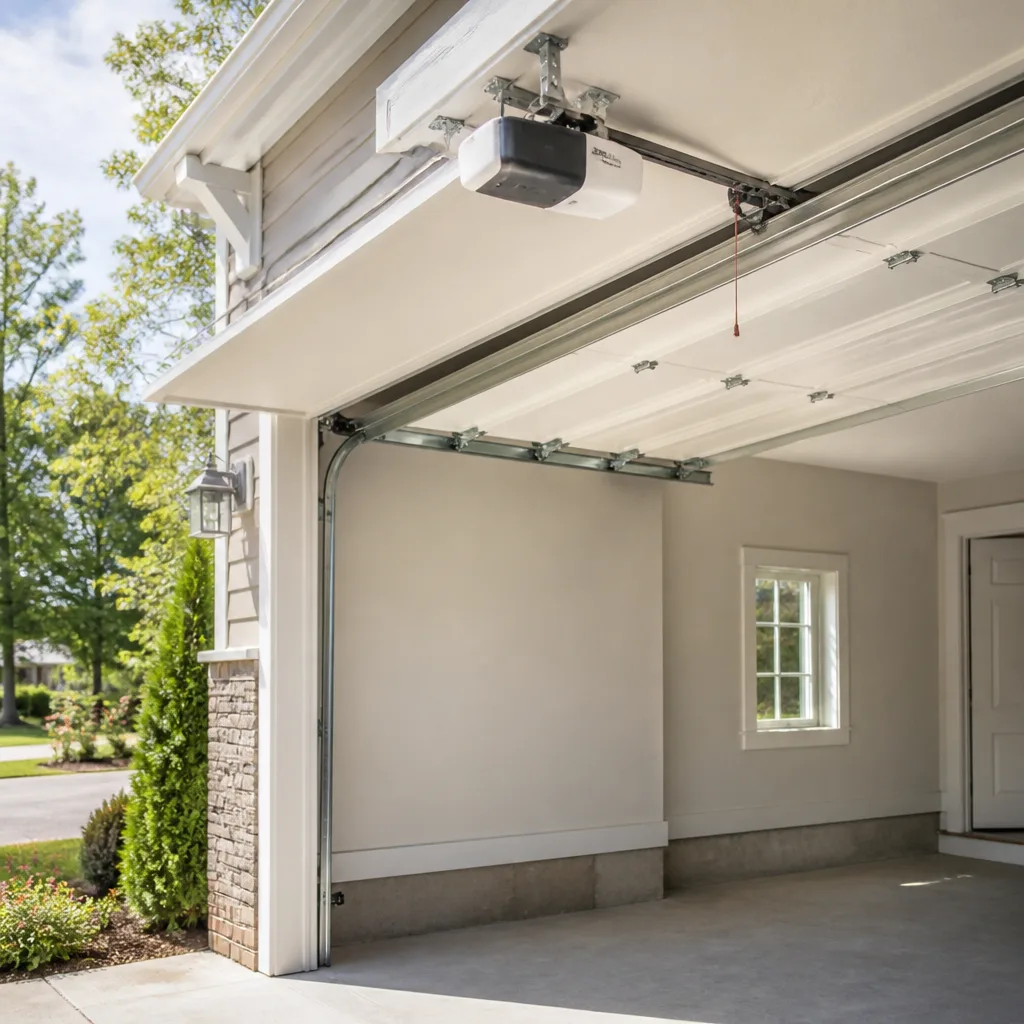 LiftMaster openers
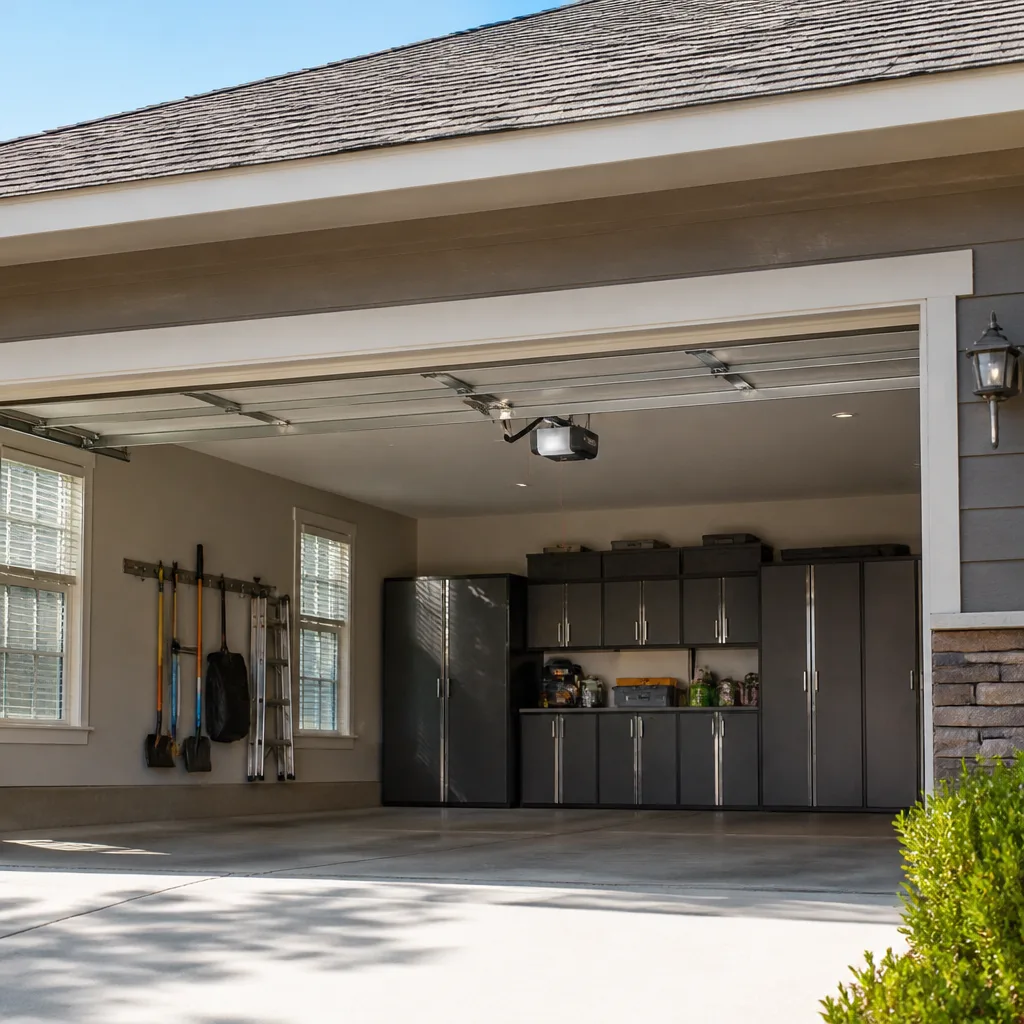 Chamberlain openers
Full 25-point door and opener safety check with every visit - springs, cables, rollers, tracks, and your LiftMaster or Chamberlain opener included
You get a price before we start. It does not change when the pro arrives.
Get your free estimateGarage Door Warning Signs: A Forest Hills Homeowner’s Reference Guide
Most homeowners describe a failing garage door as “making a weird noise.” That description throws away the best diagnostic information the door will ever give you. A grinding sound at the top of the travel, a bang from the left side, a door that reverses before it touches the floor – each one points at a different component with a different repair cost and a different level of danger. The trick is learning to hear the door as a system instead of a single problem. In this guide we map the symptoms Forest Hills homeowners report most often to the exact part causing them, show you which warnings mean “watch it” and which mean “stop using the door now,” and explain how the local climate speeds up some failures faster than others.
Quick Answer
Garage door warning signs fall into a few clear groups: unusual sounds (grinding, squealing, banging, popping), uneven or jerky movement, a door that reverses or won’t close fully, visible damage to springs, cables, rollers or panels, and opener behavior like flashing lights or codes. The most urgent are a broken torsion or extension spring, a snapped or slack cable, and anything that lets the door drop or fall off its track. Those three mean stop using the door and call for service before it moves again.
Styles & brands we work with
- Raised-panel steel
- Carriage house
- Modern flush
- Full-view glass
- LiftMaster openers
- Chamberlain openers
Table of Contents
- The Symptom-to-Component Map
- Torsion vs. Extension Springs: Two Sets of Warning Signs
- Opener Warning Signs by Brand: LiftMaster, Genie, Chamberlain
- “Watch It” vs. “Stop Using the Door Now”
- How Forest Hills Conditions Change the Timeline
- The 10-Minute Visual Check You Can Do Safely
- When a Warning Sign Means Repair vs. Replacement
The Symptom-to-Component Map
A garage door is a set of moving parts that each fail in a recognizable way. Once you can name the part, you can judge whether the problem is a routine tune-up or a call-the-professional event. Here’s how the most common symptoms line up with the part behind them.
- Grinding or a metal-on-metal scrape: usually a roller or hinge that’s worn or seized, or a torsion spring that’s lost its lubricant film. If it comes from the top center of the door, suspect the spring or the bearing plate. If it follows one side, suspect a roller.
- Loud bang or snap from one side: in our experience this is almost always a broken spring, or a cable that has just failed. Both are stop-now warnings.
- Squealing or high-pitched whine: a dry roller, a dry hinge, or a worn opener gear. It’s the least urgent sound on the list but the easiest to catch early.
- Jerky or uneven movement: a stretched or mismatched spring, a bent track, or a roller that’s jumped its channel. Mismatched springs on a two-spring door push the door to one side.
- Door reverses before it reaches the floor: often the safety sensors, sometimes a limit setting on the opener. Sensor misalignment is common after a knock or a bump from a car.
- Door opens a few inches and stops: a travel limit or force setting on the opener, or an obstruction the opener’s logic reads as resistance.
- Flashing lights or a code on the opener: the opener is telling you what failed. Different brands use different codes – more on that below.
The point of the map isn’t to make you a technician. It’s to keep you from guessing wrong. A door that “sounds like it’s dying” is often a $60 roller job, while a door that “just bangs once and then seems fine” can be a broken spring that will drop the door if it’s raised again.
Torsion vs. Extension Springs: Two Sets of Warning Signs
Torsion and extension springs do the same job differently, and their failure signs look different too. Torsion springs mount above the door on a horizontal shaft; extension springs run alongside the horizontal tracks on either side. Confusing the two is a common mistake, and it matters because a torsion failure and an extension failure don’t carry the same risk to you.
Torsion spring warning signs
- A visible gap in the coil – the spring has broken into two pieces and you can see the split.
- A door that feels extremely heavy on the manual-release pull. A healthy torsion door should lift with one hand.
- Grinding at the top center of the door when the motor runs but the door barely moves.
- A single loud bang from above the door, especially after the door has been sitting closed for a while.
A broken torsion spring is the most dangerous spring failure in a home garage. The stored energy in a wound torsion spring is significant, and the shaft can spin violently when the spring lets go. Never stand under the door or handle the torsion shaft yourself. This is the scenario where you call a specialist, and it’s exactly the kind of high-risk spring work our technicians handle with the proper winding bars and training.
Extension spring warning signs
- Visible stretching of the spring, or the coils no longer sitting evenly.
- A spring that has come loose at one end, or a safety cable that’s dangling.
- Stretched or frayed extension springs are a sign the door is no longer balanced.
- A door that comes down harder on one side than the other when closing.
Extension springs carry their own risk if a safety cable isn’t present or has failed, because a broken spring can whip across the garage. If you see a missing or loose safety cable on an extension-spring door, keep the door closed and off the opener until someone looks at it.
Either way, the response is the same: don’t raise and lower the door to “check” if you already suspect a broken spring. A door with a broken spring relies on the opener to lift it, and the opener isn’t built to move that weight. That’s how opener gears strip and doors get damaged. Springs, openers, panels – one call covers the whole system if you call us.
Opener Warning Signs by Brand: LiftMaster, Genie, Chamberlain
A modern opener logs its own faults. Learn to read the signals and you can often tell whether you’re looking at a sensor issue, a gear problem, or a logic board starting to fail – and that tells you whether it’s a quick fix or a replacement.
LiftMaster openers
LiftMaster units often show a repeating flash pattern on the overhead light or the wall console’s diagnostic LED. A specific number of flashes in a cycle usually points to one fault – sensor alignment, a blocked obstruction, or a motor or logic fault. If you have the manual, the flash count maps directly to a code. If you don’t, count the flashes before you call so we can start with the right suspect. We work on LiftMaster systems specifically and these are some of the easiest openers to diagnose from a flash pattern.
Chamberlain openers
Chamberlain and LiftMaster share architecture in many models, so similar flash codes apply. Chamberlain openers also tend to warn about gear and drive wear with a rhythmic clicking or a slow grind as the door starts to move. That’s usually the drive gear or a worn trolley – a mechanical warning, not an electrical one. If it gets louder over weeks, it’s time to stop ignoring it.
Genie openers
Genie units often use a set of status LEDs on the power head, and a steady or flashing pattern is their form of a diagnostic code. Genie’s warning signs frequently show up in behavior first: the door reverses on its own, the remote stops working while the wall button still does, or the door moves slower in one direction. A remote that stops working while the wall control still operates is a signal issue, not a motor issue. A door that stalls in one direction is often a force or travel setting.
If you have a Craftsman or Raynor opener, the same principle applies: behavior first, code second. In our experience the biggest mistake is replacing an opener when the actual problem is a sensor, a limit setting, or a worn gear. A proper diagnosis saves you the cost of a whole new unit. If you do end up needing a replacement, our garage door opener repair service covers brand-specific diagnostics either way, and installation is a separate job.
“Watch It” vs. “Stop Using the Door Now”
The single most useful skill in this whole guide is knowing the difference between a warning you can watch and a warning that means stop. Get this wrong in the wrong direction and you can turn a cheap repair into an injured person.
“Watch it” warnings
- A squeak or squeal that comes and goes.
- A single roller that’s noisier than the others.
- A remote that occasionally needs a second press.
- Slow opener movement that’s been that way for months.
- A door that sits a little unevenly at the floor but still closes.
These merit a service visit but not panic. Note what you hear, note when it changes, and book a tune-up or repair in the next week or so. Start with our garage door repair service if you’re not sure which category your warning falls into.
“Stop using the door now” warnings
- A bang followed by a door that won’t lift or hangs unevenly – suspect a broken spring.
- A visible gap in a torsion spring, or a spring that’s clearly snapped.
- A loose, snapped or severely slack cable on either side of the door.
- A door that’s come out of its track, or that hangs crooked with one side low.
- Visible damage to the bottom panel or the door’s frame after a knock.
- An opener that runs but doesn’t move the door at all.
If any of these apply, keep the door in its current position, pull the manual release only if the door is already fully closed and safe to leave, and call for help. Don’t stand under the door. Don’t try to raise it to check. When your garage door won’t open and the car is trapped, emergency service is what you need – and it’s the kind of call we take seriously.
How Forest Hills Conditions Change the Timeline
Garage doors fail in every climate, but the parts that fail first change with the weather. In Forest Hills we see a few patterns that push certain failures faster than you’d expect from a garage door guide written for a milder place.
- Humidity and salt from winter road treatment: Queens winters leave a film on metal that accelerates corrosion on cables, springs and the bottom panel. This is why we recommend a routine visual check on springs and cables at the start of spring and again before winter.
- Temperature swings: Forest Hills sees warm days and cold nights in the shoulder seasons, and that swing is hardest on the springs and the grease on the tracks. A door that runs quietly in July can start grinding in January, and the same door can seize up when the grease thickens in cold weather.
- Freeze-thaw at the floor: water pooling at the bottom of the driveway cracks, then refreezes, then thaws. The bottom seal and the bottom roller take the beating, and a swollen panel at the bottom is a common late-winter find in Forest Hills.
- Older housing stock: a lot of homes in Forest Hills still have the original opener from when the garage was built, and older units from Clopay, Amarr and Wayne Dalton doors that came with the house are still on the wall. Those openers often outlive their useful life quietly, then fail all at once. A Clopay or Amarr panel from an earlier decade may still be in fine condition while the opener behind it is the weak point.
The practical takeaway: in Forest Hills, watch your springs and cables twice a year and watch your opener once a year. The spring you can’t see is the one that surprises you.
The 10-Minute Visual Check You Can Do Safely
Most of what a technician looks at, you can look at too – from a safe distance. This isn’t a repair manual. It’s a checklist to help you decide whether to call.
- Look at the springs from the floor. A visible gap in a torsion spring, or a stretched extension spring, is a stop-now warning. Don’t touch it.
- Look at the cables. Both sides should have a cable that sits cleanly in its drum or pulley. A slack, frayed or off-drum cable is a stop-now signal.
- Look at the rollers. Rollers should sit in their tracks with some play. A roller that’s seized or worn flat is a watch-it item.
- Look at the tracks. Any visible bend or dent is worth a call – a bent track causes the door to rub and wear rollers fast.
- Look at the panels. Cracks, dents at the bottom, or a door that sits crooked mean the panel or the balance is off.
- Look at the opener. Check the LED, count the flashes if there are any, and note whether the light works when the door runs.
- Look at the sensors. Both floor sensors should be aligned and their LEDs lit. A misaligned sensor is the most common cause of a door that reverses.
- Test the balance with the door closed and the opener disconnected. Only do this if the door looks healthy and you have no spring or cable warning signs. A healthy door should lift with one hand and stay put halfway up. If it feels heavy or drops, stop and call.
If any step turns up a stop-now warning, stop the inspection there. If you’re not sure, our Forest Hills Garage Door Repair Pros team can talk through what you’re seeing before you commit to a visit.
When a Warning Sign Means Repair vs. Replacement
Not every warning sign calls for a new door, and not every old door is worth repairing. The decision usually comes down to the balance of parts, age and how many systems are failing at once.
Repair is usually the answer when
- The door panels are sound and the failure is in one component: a spring, a cable, a roller, a sensor or an opener gear.
- The door is still balanced on the tracks when the opener is disconnected.
- You have a recognizable, well-made door – a Clopay, Amarr, Wayne Dalton, Craftsman or Raynor panel that’s still straight.
Replacement usually makes more sense when
- Multiple panels are damaged or the bottom section is bent or rusted through.
- The door is out of balance in a way that would require several parts replaced at once.
- The opener is on its last legs and the door itself is at the end of its service life.
- You’re changing the size, style or insulation of the door anyway.
One useful rule of thumb: if the repair is a single part and the door is otherwise healthy, repair it. If two or three systems are failing together, the cost of patching adds up fast, and garage door installation can be the cleaner path. We don’t push replacement when a repair will last – the written estimate should always state the choice you’re getting.
For planning purposes, be aware that pricing varies by job and by the parts your door actually needs. The estimate is free and the price is set per job by the written estimate, so you’ll know the number before any work starts.
Common Mistakes to Avoid
- Testing a suspect spring by raising the door. If you already suspect a broken spring, raising the door runs the opener against a load it can’t carry and can strip the gear or bend the door. The right move is to leave the door closed and call.
- Pulling the manual release on a door with a broken spring. On a healthy door the manual release is a safe way to disconnect. On a door with a failed spring it can let the door drop. Only do it if the door is already closed and you’re sure the door is balanced.
- Assuming a grinding noise means a new opener. Grinding is a symptom, not a diagnosis. Nine times out of ten it’s a roller, a hinge or a dry spring – and a proper diagnosis saves you a replacement.
- Ignoring opener flash codes. The opener is giving you a specific code. Write it down before you call; it turns a guess into a confirmed diagnosis.
- Over-greasing the tracks. Rollers and hinges need a little light lubricant. Tracks and the bottom of the door don’t. Grease on the tracks collects grit and accelerates roller wear.
- Leaving the car under a door that’s already warning. If the door has already banged once, don’t park under it thinking it’ll behave for another week. Move the car and treat it as a stop-now.
- Waiting out a winter warning in Forest Hills. Cold weather makes borderline springs fail faster. A noise you’d ignore in June is worth a call in January.
See the difference
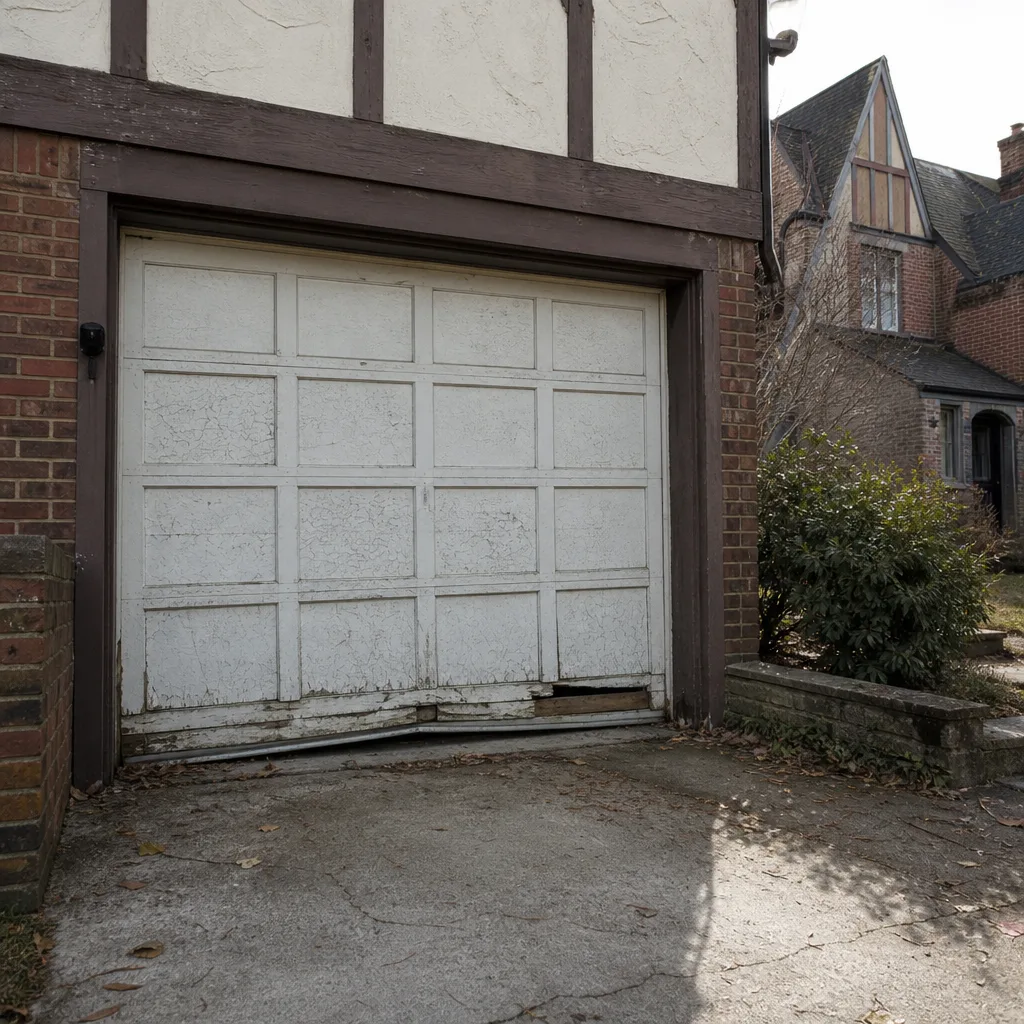 Before
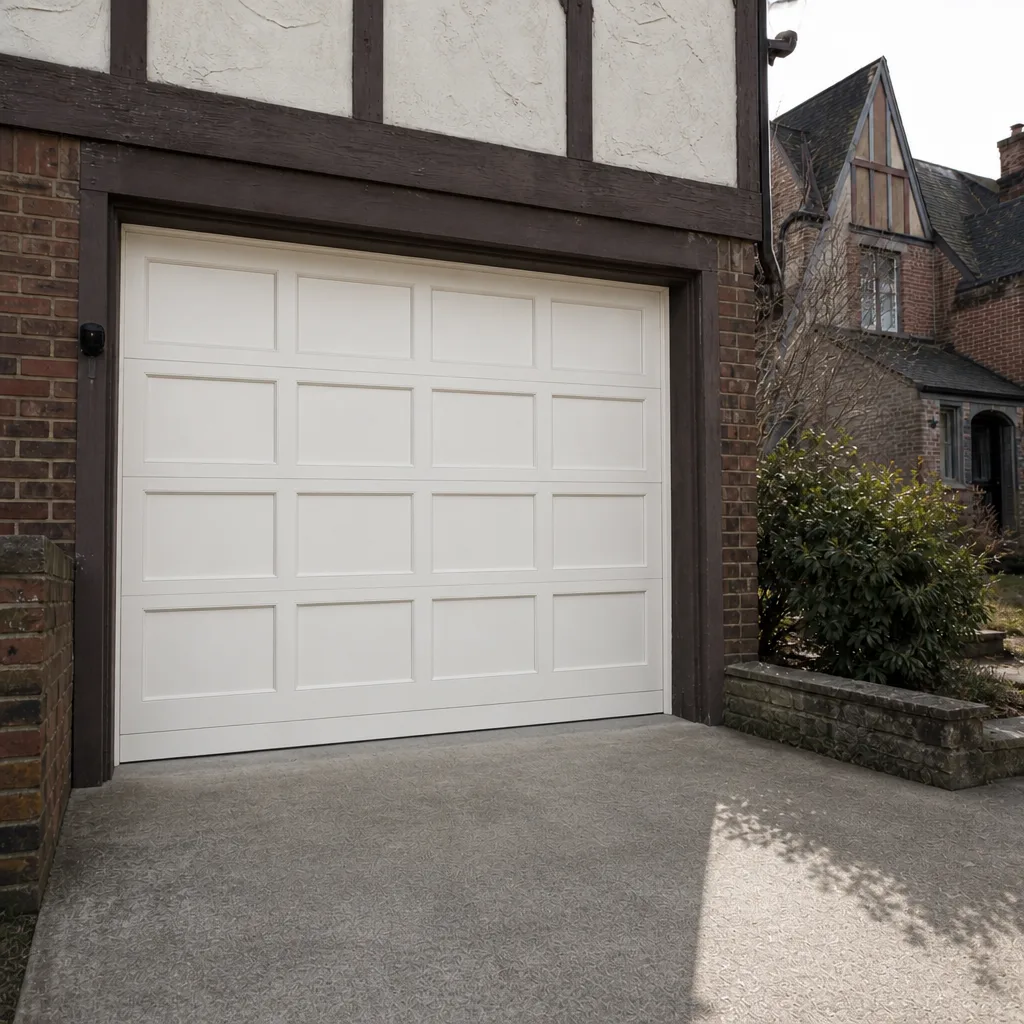 After
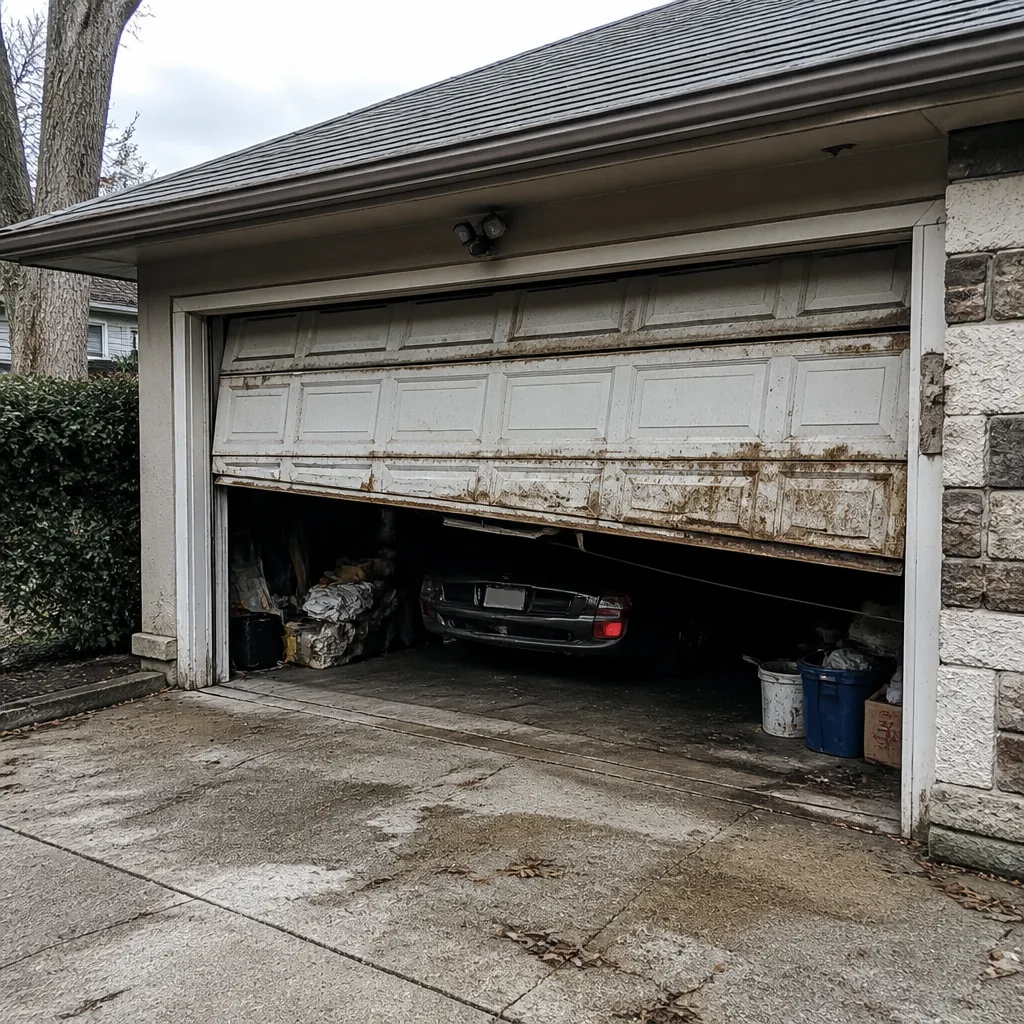 Before
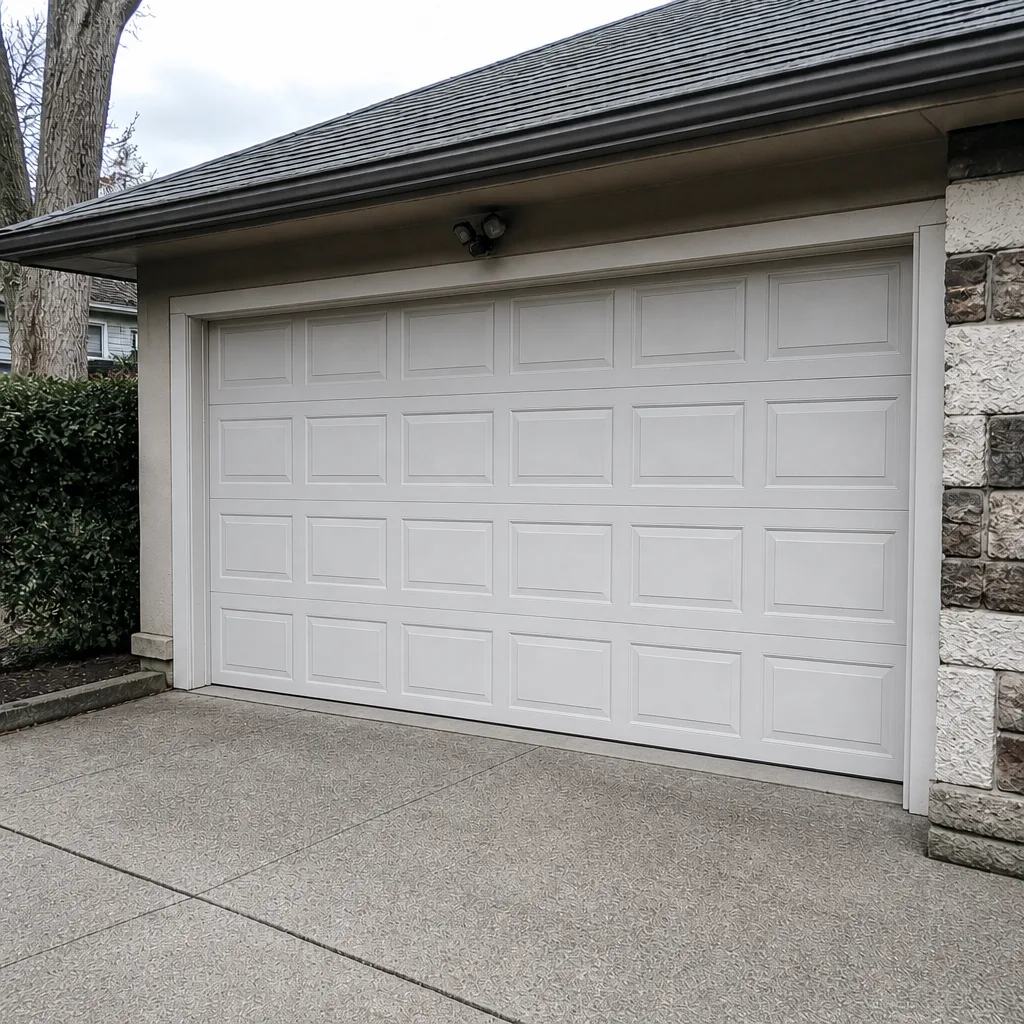 After
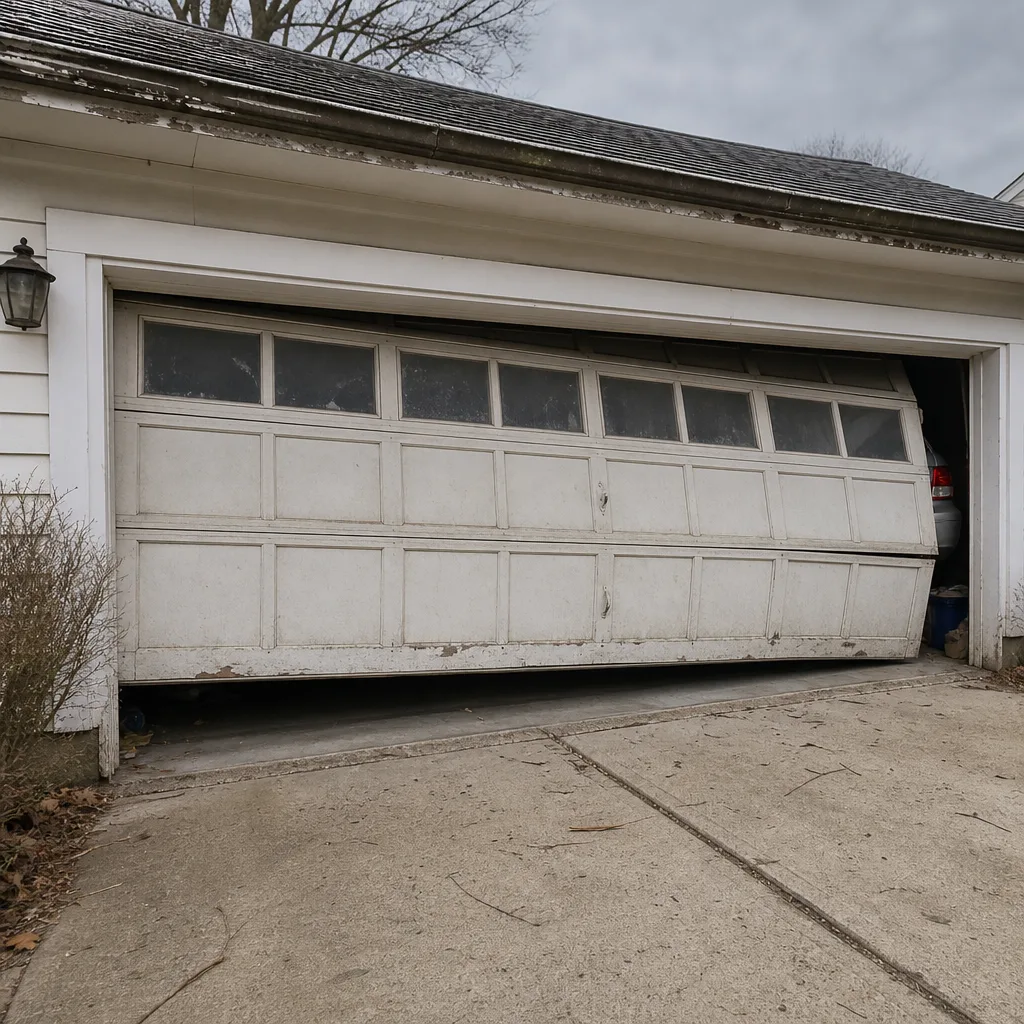 Before
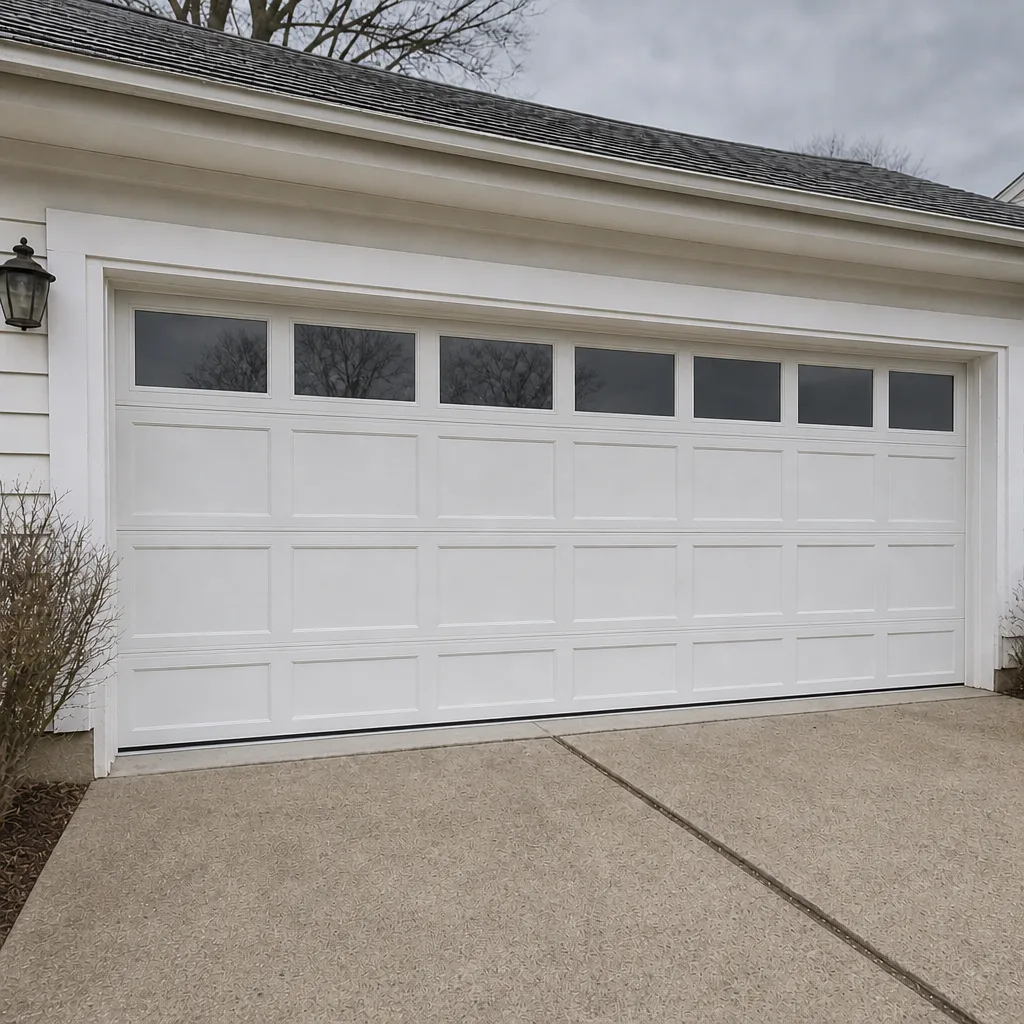 After
When to Call a Professional
Call when the warning is a broken spring, a failed cable, a door out of its track, or a door that has dropped or is hanging unevenly. Call when the opener runs but the door doesn’t move, or when the opener is throwing codes you can’t identify. Call when a door starts reversing without an obstruction, or when the door is old enough that one warning is likely to be the first of several. And call if you’re just not sure what you’re hearing – a phone diagnosis is free, and it beats guessing. Forest Hills Garage Door Repair Pros offers free estimates in Forest Hills; call (855) 658-4356. Our technicians have up to 8 years of experience across LiftMaster, Chamberlain, Genie, Clopay, Amarr, Wayne Dalton, Craftsman and Raynor systems, and we handle the high-risk spring work ourselves rather than passing it to a second contractor. We answer 24/7. Fast dispatch from 7am to 7pm, Sunday through Friday.
Frequently Asked Questions
The most serious are a broken torsion or extension spring, a snapped or seriously slack cable, a door out of its track, and a door that has dropped or hangs unevenly. Any of these is a stop-now warning: keep the door in place, don’t raise it to check, and call for help. A grinding noise or a slow opener is usually a watch-it warning by comparison.
Look for a visible gap in the torsion spring above the door, or a stretched or separated extension spring at the side. If your door feels unusually heavy when you lift it by hand (with the opener disconnected and only if the door looks otherwise healthy), that’s another sign. In our experience winter is when most spring breaks happen in Forest Hills, because the combination of cold and old grease loads the springs harder. Call (855) 658-4356 if you’re unsure – we can help you identify it over the phone.
A flashing light or LED on the opener is a diagnostic code, not a fault by itself. The number of flashes in a cycle usually points to a specific problem – sensor alignment, an obstruction, or a motor or logic fault – and the pattern differs by brand. Count the flashes and note the brand before you call; we work on LiftMaster, Chamberlain and Genie systems specifically and the code shortens the diagnosis.
No. A torsion spring stores a lot of energy, and the shaft can spin violently when it releases. This is high-risk work that needs the proper winding bars and training, which is why we handle spring repair in-house and don’t send it to a second contractor. A broken spring is one part of the system where “call a professional” isn’t a sales line – it’s the safe answer.
The exact price depends on the part and the job, so there’s no single number. We give a free estimate and set the price per job in writing before any work starts, so you’re never surprised by the invoice. Call (855) 658-4356 for an estimate in Forest Hills.
If the door won’t open and your car is trapped, call us. Emergency garage door service is a core part of what we do – it isn’t an upsell. We answer 24/7. A call outside dispatch hours is booked into the next opening, Sunday through Friday, 7am to 7pm.
The Bottom Line
Garage door warning signs are only confusing when you treat them as one undifferentiated “door problem.” Map the symptom to the part, and the decision gets simple. Grinding from the top center of the door is usually a spring or bearing. A bang from one side is usually a spring or cable. A flash code on the opener is a code you can read. And the stop-now list is short: broken spring, failed cable, door out of its track, door hanging unevenly. Everything else can be scheduled. In Forest Hills, the humidity and the freeze-thaw cycle push springs and bottom panels harder than homeowners expect, so check twice a year and don’t wait out a winter warning. When in doubt, call and describe what you’re hearing instead of raising the door to test it. If you want the whole system looked at at once, garage door opener repair and spring work can be handled together.
Call (855) 658-4356 for a free estimate. We answer 24/7. Fast dispatch from 7am to 7pm, Sunday through Friday. If your door has given a stop-now warning, keep it closed and let us take it from there.
Written by the team at Forest Hills Garage Door Repair Pros.