
Last updated November 21, 2026
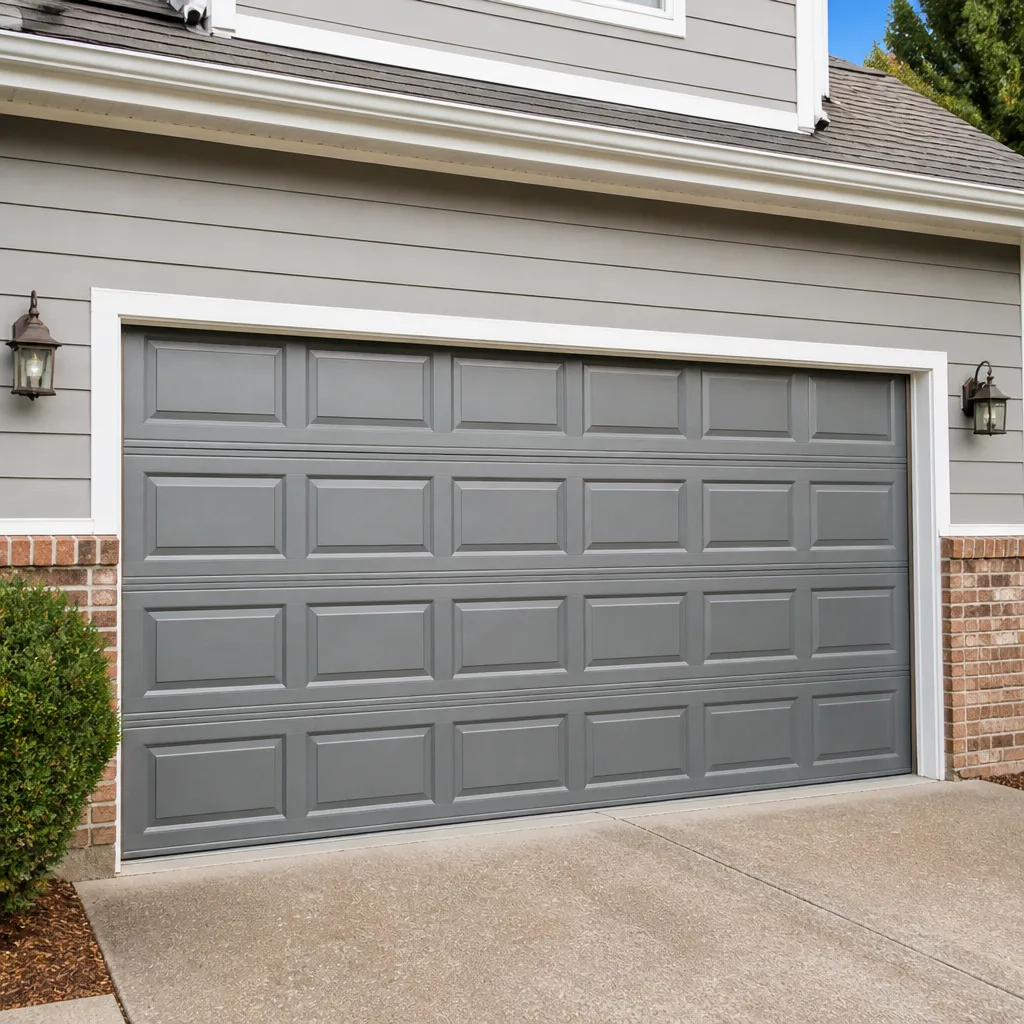 Raised-panel steel
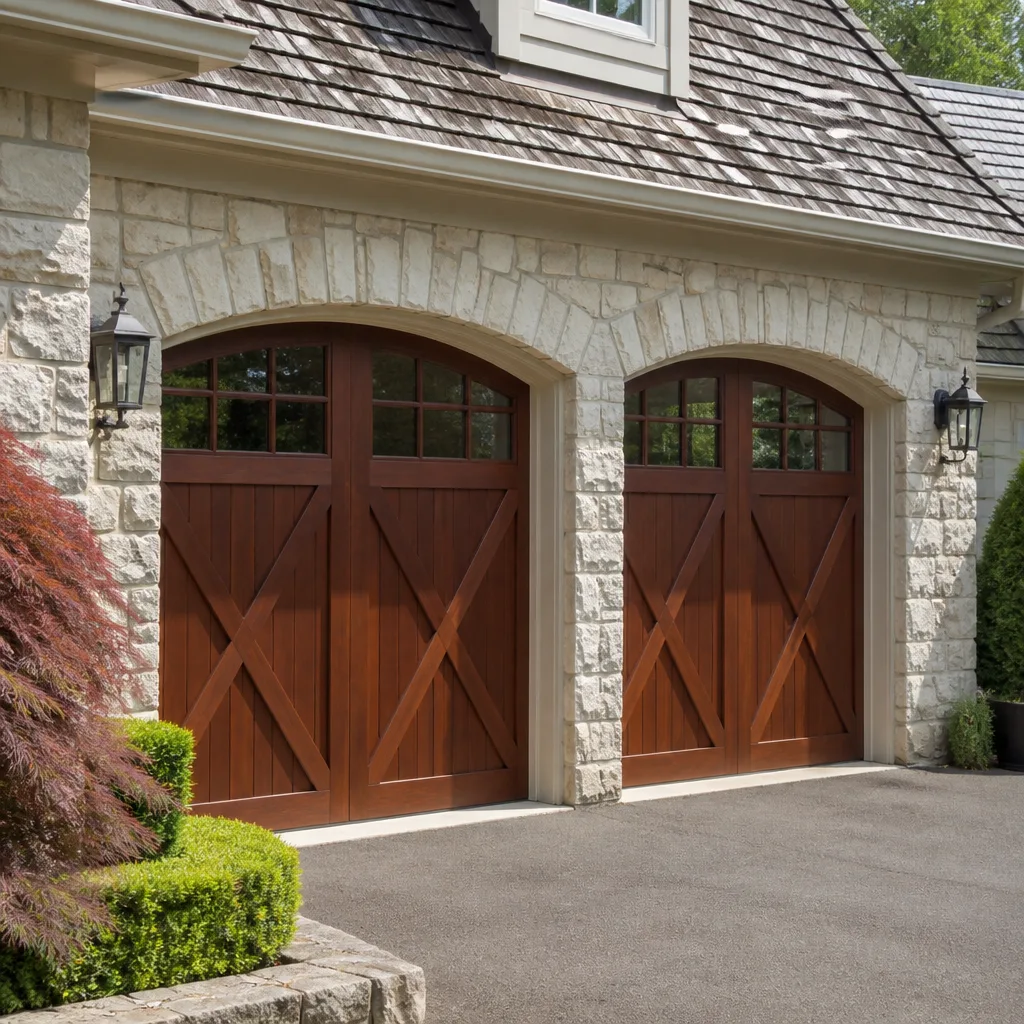 Carriage house
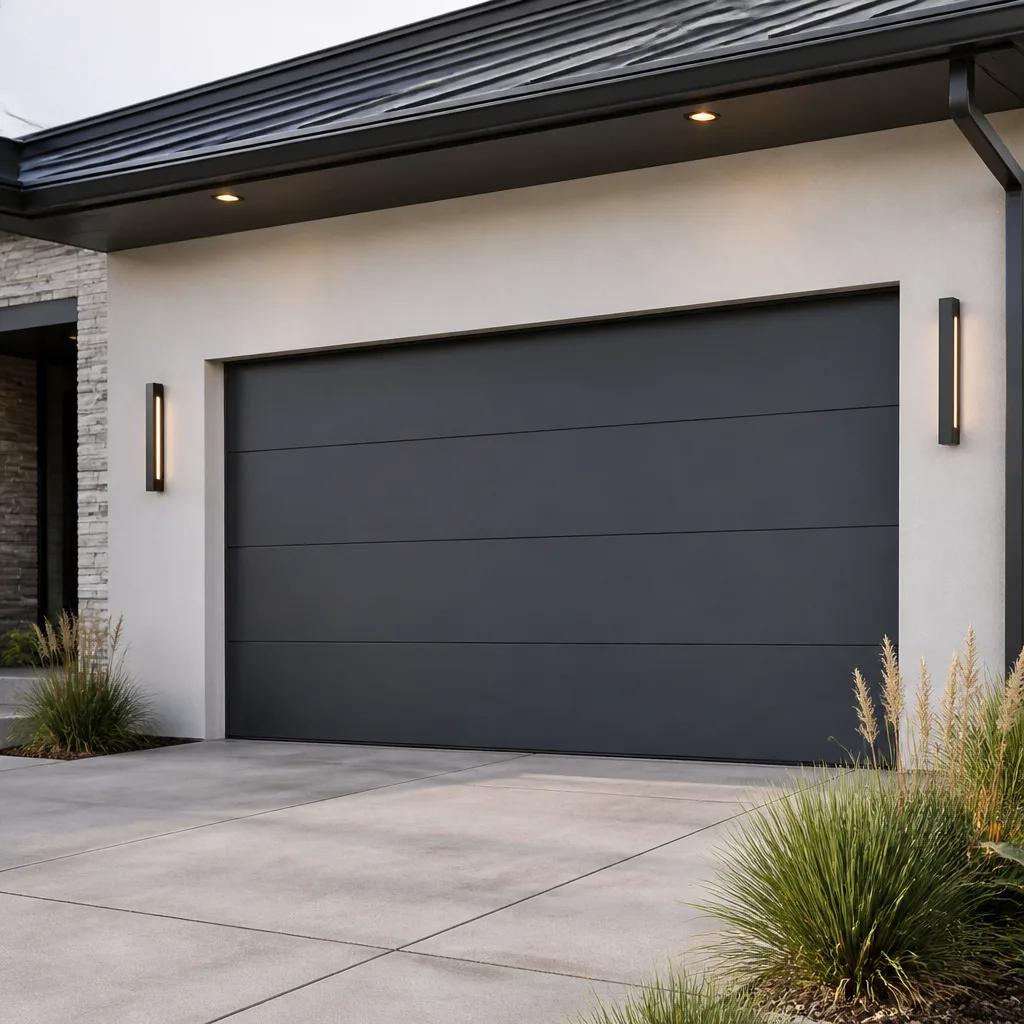 Modern flush
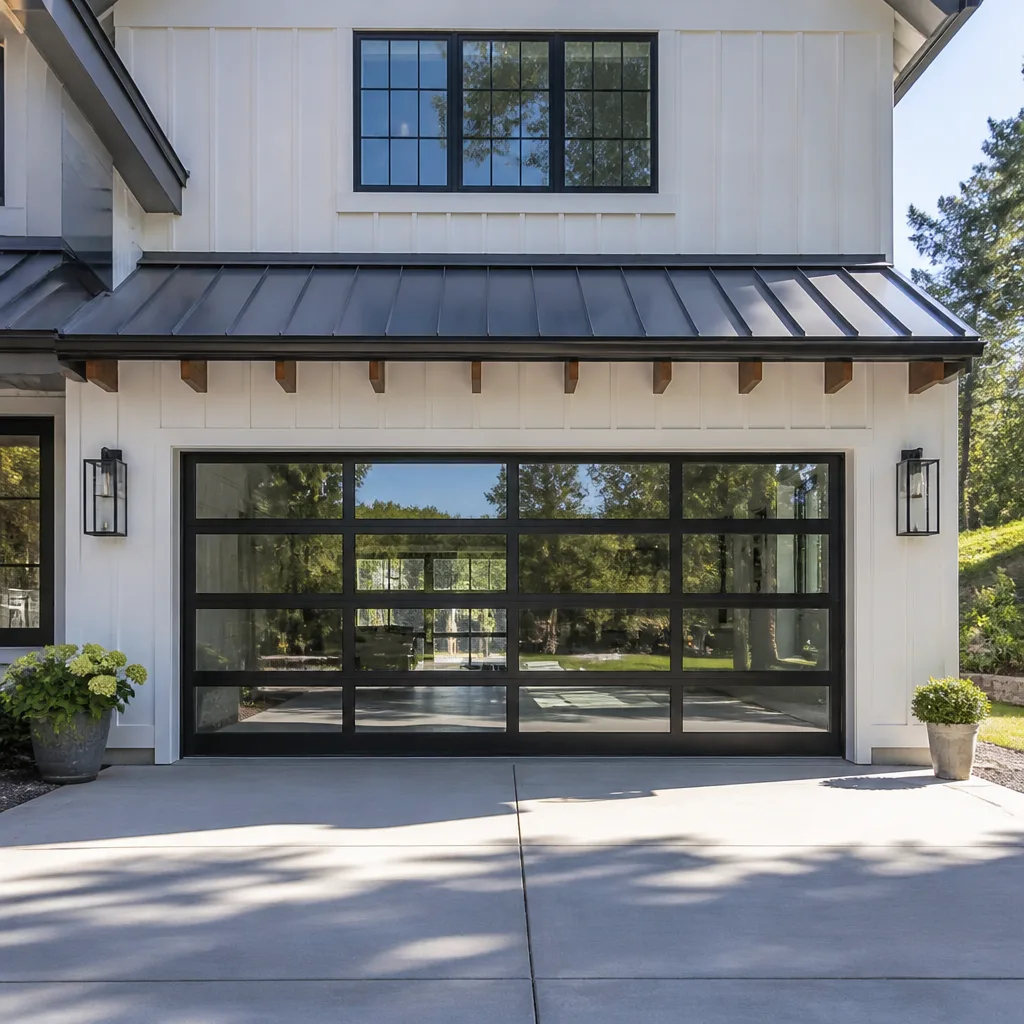 Full-view glass
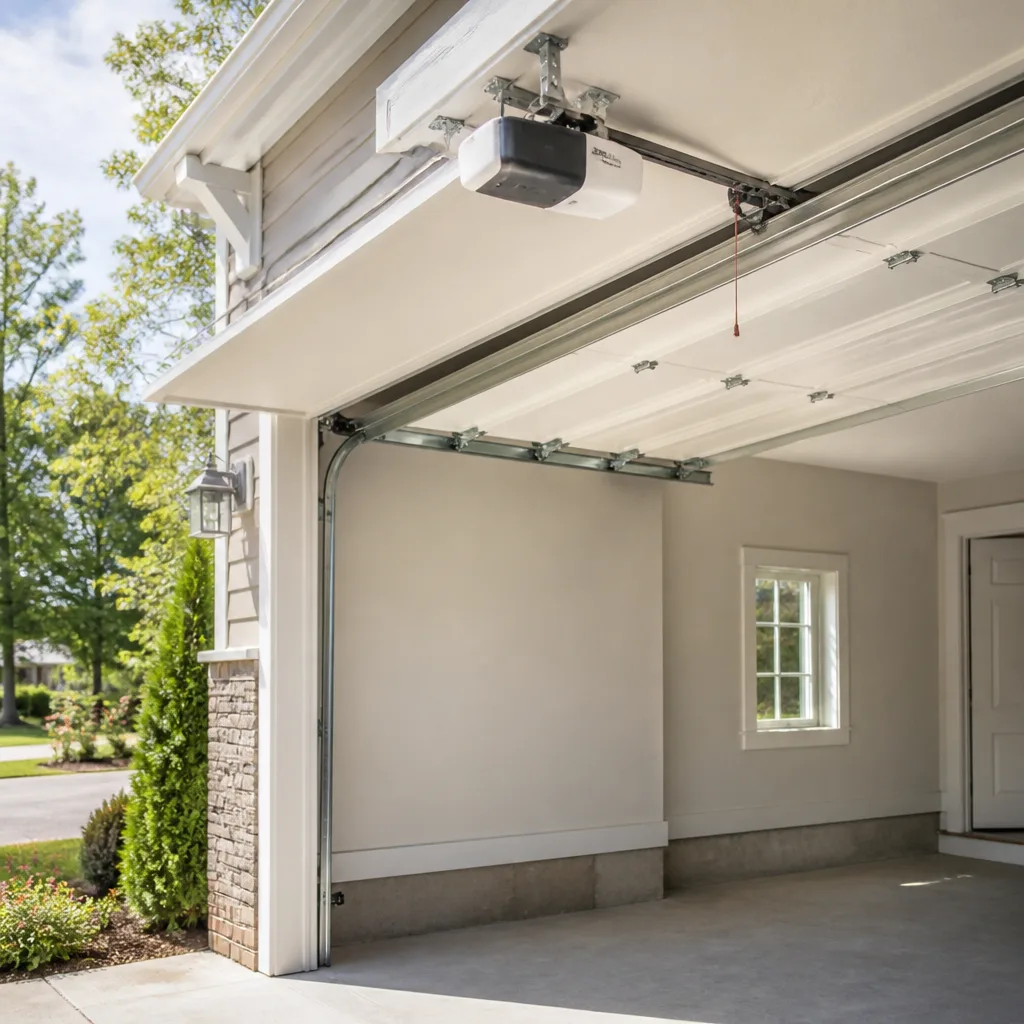 LiftMaster openers
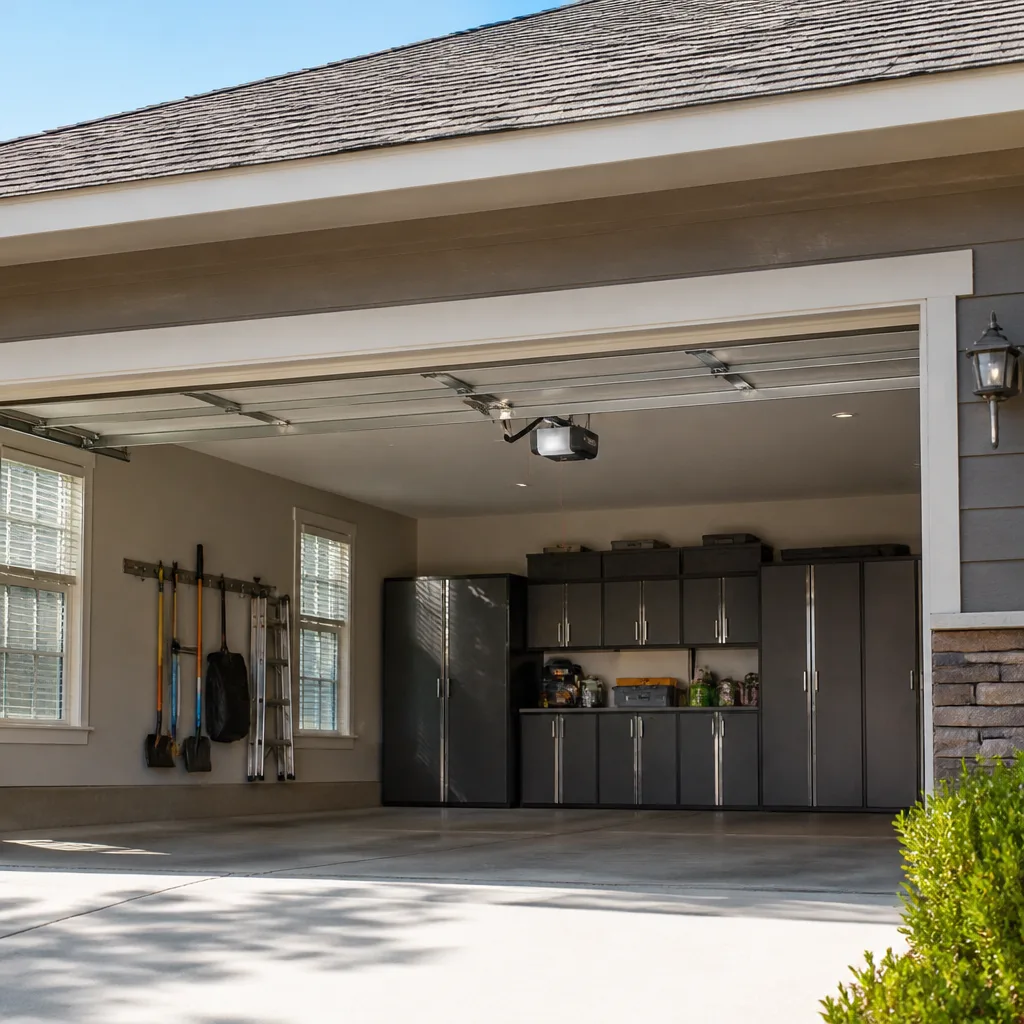 Chamberlain openers
Full 25-point door and opener safety check with every visit - springs, cables, rollers, tracks, and your LiftMaster or Chamberlain opener included
You get a price before we start. It does not change when the pro arrives.
Get your free estimateDIY vs Professional Garage Door: The Forest Hills Homeowner’s Decision Guide
A torsion spring under full tension stores roughly 100 ft-lbs of torque. That figure isn’t a scare tactic – it’s the physics that decides which garage door tasks you can safely handle and which ones you can’t, no matter how handy you are. Most DIY guides blur that line because drawing it clearly would mean admitting some jobs simply aren’t homeowner jobs. This guide draws it precisely: a task-by-task breakdown of what’s safe to do yourself, what belongs to a trained technician, and why the difference usually comes down to tools and setup rather than knowledge. You’ll also see how the calculus changes in Forest Hills, where attached garages sit close to living space and a door that binds or drops is more than a mechanical annoyance.
Quick Answer
Some garage door work is genuinely DIY-safe: weatherstripping, safety-sensor alignment, lubrication, and remote or keypad reprogramming. Spring replacement, cable replacement, and track realignment under load are professional-only because they involve stored mechanical energy that can injure you regardless of skill. For anything touching spring tension or cables, call a trained technician – Forest Hills Garage Door Repair Pros offers free estimates at (855) 658-4356.
Styles & brands we work with
- Raised-panel steel
- Carriage house
- Modern flush
- Full-view glass
- LiftMaster openers
- Chamberlain openers
Table of Contents
- Where the DIY Line Actually Falls
- Tasks That Are Genuinely DIY-Safe
- Why Spring Work Isn’t a Skill Problem
- Opener Brands: Which Diagnostics You Can Access Yourself
- The Liability Math for Forest Hills Homeowners
- How to Do the DIY-Safe Tasks Correctly
- Cables and Tracks: The Second Danger Zone
- A Decision Framework You Can Use in Five Minutes
Where the DIY Line Actually Falls
Garage door repairs split into three tiers, and most homeowner confusion comes from treating them as one. The first tier is cosmetic and electrical: seals, sensors, lubrication, remote programming, and visual inspection. These need no special tools and carry almost no injury risk. The second tier is mechanical adjustment that requires an understanding of how the system moves but not stored-energy handling – things like replacing a roller or adjusting a track that’s drifted slightly out of plumb with the door down and the opener disconnected. The third tier is anything involving springs or cables under tension, and that tier is closed to homeowners.
In Forest Hills, the housing stock shapes which tier you’re likely to face. Many of the detached and semi-attached garages behind the brick and stucco homes around Forest Hills Gardens and the streets off Austin Street were built decades ago, and their doors often run on older extension spring systems or original torsion setups that have never been rebalanced. Older hardware means more frequent adjustment, and adjustment is exactly where homeowners get into trouble by tightening something that was already under load.
Here’s the practical test. Ask yourself two questions before you pick up a tool:
- Does the repair require me to release, hold, or replace a spring or cable?
- Does the repair require me to work on the door while it’s under tension, or to defeat a safety device to test it?
If either answer is yes, it’s a professional job. If both are no, you’re probably in DIY territory. That single filter handles about 90% of the decisions homeowners bring to us.
Tasks That Are Genuinely DIY-Safe
These jobs are within reach for most homeowners with basic tools and a free afternoon. We’re not gatekeeping them – we’d rather you handle them well than pay for a service call you didn’t need.
- Weatherstripping replacement. The rubber or vinyl seal along the bottom of the door and around the frame wears out and lets in drafts, water, and pests. It’s a pull-and-press job on most doors.
- Safety sensor alignment. If the door reverses for no reason, the two photo-eye sensors near the floor are usually misaligned or obstructed. Straighten them until both indicator lights are solid.
- Lubrication. Rollers, hinges, and the torsion bar bearings (not the spring coils themselves) benefit from a garage-door-specific lubricant a couple of times a year.
- Remote and keypad reprogramming. Lost a remote? Most openers let you clear and re-pair remotes from the motor head or wall console. The manual for your unit walks you through it.
- Visual inspection. Look for frayed cables, worn rollers, bent tracks, and gaps in the seal. Catching these early is the single best thing you can do for the door’s lifespan.
- Light bulb and battery replacement. Opener lights and remote batteries are pure consumables.
Notice what’s not on that list: anything that changes the balance of the door. A garage door is a counterweighted system, and the springs carry the weight so the opener doesn’t have to. The moment you touch that balance, you’re in the third tier whether you realize it or not. If a sensor or seal issue turns out to be a symptom of a bigger mechanical problem, that’s the point to bring in garage door repair rather than keep adjusting around it.
Why Spring Work Isn’t a Skill Problem
This is the part most guides get wrong. They frame spring replacement as “advanced” – something a very skilled DIYer might attempt. That framing is misleading. Spring work isn’t a knowledge problem; it’s a tool and setup problem. You can read every manual, watch every video, and understand torsion springs perfectly, and still get hurt because you don’t have a proper winding bar, the right size replacement spring, and a safe way to secure the door in the open position before you start.
Torsion springs store energy by design. That’s their job. When you wind one, you’re loading a mechanism that, if it releases unexpectedly, will move fast enough to break bones. Extension springs carry the same risk and add a second one: they can fail violently if the safety cables aren’t in place. A technician’s advantage isn’t intelligence – it’s a winding bar that lets them control the release, a door that’s been properly blocked, and the muscle memory from doing the job repeatedly with the right spring gauge matched to the door weight.
We’ve seen the aftermath of DIY spring attempts in Forest Hills, and the pattern is consistent: the homeowner understood the concept, bought the spring, and got hurt on the winding step or when the door came down unexpectedly. Springs, openers, and panels are one connected system, and the spring is the part that holds the whole thing up. That’s why we handle spring repair in-house with proper tooling rather than passing it off – it’s the technical core of the trade, and it’s where the danger concentrates.
One more thing worth saying plainly: a door with a broken spring is not a door you should try to open manually. The opener will strain, the door will be dangerously heavy, and the risk of the door crashing down is real. If your car is trapped, that’s an emergency call, not a DIY window.
Opener Brands: Which Diagnostics You Can Access Yourself
Opener diagnostics vary widely by brand, and knowing which ones you can troubleshoot yourself saves you both a service call and a lot of guesswork. Most LiftMaster and Chamberlain opener issues come down to a handful of accessible checks: the safety sensor alignment, the travel-limit settings, and the force adjustment. Both brands share a design lineage, so their wall consoles and motor-head controls behave similarly, and their manuals are detailed enough that a careful homeowner can reset limits and force without special tools. Genie units are similar in spirit but often use a different programming sequence, so follow the manual for your specific model rather than assuming the steps carry over.
Where homeowners hit a wall is on proprietary service tools and on the internal logic of a unit that’s throwing a diagnostic code with no obvious external cause. At that point you’re not troubleshooting anymore – you’re guessing, and guessing on a powered mechanism that lifts a several-hundred-pound door is a bad trade. We work on LiftMaster, Chamberlain, Genie, Clopay, Amarr, Wayne Dalton, Craftsman, and Raynor systems specifically, which means we recognize brand-specific failure patterns faster than a generalist would. If you’ve reset the limits, checked the sensors, and the door still behaves erratically, that’s garage door opener repair territory, and it’s worth a professional look before the motor burns out.
If you’re weighing whether to repair an aging opener or replace it, the age of the unit and whether parts are still available for your model matter more than the brand name. We can tell you which path makes sense for your specific system.
The Liability Math for Forest Hills Homeowners
Here’s the part almost no DIY guide mentions: what happens after a repair goes wrong. If you replace a spring or cable yourself and the door later fails – or injures someone – the question your homeowner’s insurance carrier will ask is whether the work was done by a qualified professional. An improperly repaired garage door, particularly one with a spring or cable that fails, can complicate a claim because the insurer may view unpermitted or unqualified mechanical work as a homeowner-maintained risk.
We’re not going to quote you a coverage rule, because policies differ and the specifics belong to your insurer, not to us. But the general principle is worth understanding. Insurance is built around the assumption that structural and mechanical systems are maintained to a professional standard. When a garage door drops on a car, a pet, or a person, the investigation turns on how the door was maintained. A receipt from a licensed, insured technician is a very different document than a DIY repair with no record.
There’s a permitting angle too. Most municipalities require a permit for certain garage door and structural work, and Forest Hills is no exception in the general sense – the specifics belong to the NYC Department of Buildings and your local requirements. We don’t quote code sections because they change and because the answer depends on your exact job. What we can say is that if a permit is required for your project, a professional installation leaves you with proper documentation. That matters at resale, during an insurance review, and if a dispute ever arises.
The bottom line on liability: the DIY-safe tasks carry no meaningful risk to your coverage. The dangerous tasks do. That asymmetry should inform how you decide.
How to Do the DIY-Safe Tasks Correctly
Being told “you can do this” isn’t the same as knowing how to do it without creating a new problem. Here’s the actual procedure for the most common DIY-safe jobs, plus the mistakes that turn a five-minute fix into a service call.
Replacing the Bottom Weather Seal
- Raise the door fully and disconnect the opener so it can’t move.
- Pull the old seal out of the aluminum retainer along the bottom edge. On some doors it slides out; on others it’s held by screws.
- Slide the new seal into the retainer, working from one end to the other. Don’t stretch it – a stretched seal pulls away at the corners.
- Trim the ends flush and check that the seal contacts the floor evenly across the full width. Gaps at the corners mean the door isn’t level, not that the seal is wrong.
Aligning Safety Sensors
- Check that both sensors have power – most have an indicator light.
- Loosen the mounting bracket on the sending unit and aim it at the receiving unit until both lights are solid.
- Tighten the bracket without moving the aim, then test by passing an object through the beam while the door closes. It should reverse immediately.
Lubricating the Moving Parts
Use a garage-door-specific lubricant, not WD-40 or household oil, which attract dust. Apply to rollers, hinges, and the torsion bar bearings. Don’t spray the spring coils – lubricant there collects grit and does more harm than good. Wipe off excess so it doesn’t drip onto the door panels or the floor.
The most common DIY mistakes we see in Forest Hills are over-tightening bolts until the track distorts, using the wrong lubricant, and adjusting the force setting on an opener to compensate for a door that’s actually out of balance. That last one is dangerous – it masks a mechanical problem by making the opener work harder, and it shortens the motor’s life. If the door feels heavy or won’t stay up on its own, stop adjusting and get it checked.
Cables and Tracks: The Second Danger Zone
Springs get all the warnings, but cables and tracks deserve their own. The lift cables on a garage door are under tension from the springs, and a cable that’s frayed or improperly seated can snap with enough force to cause serious injury. Replacing a cable means releasing spring tension first, which puts you right back in the third tier. There’s no safe way to swap a cable on a door that’s still under load.
Track realignment is subtler. A track that’s been bumped – a car backing in too far, a ladder leaning against the door – can be nudged back into plumb with the door down and the opener disconnected. That’s a legitimate DIY adjustment in some cases. But if the door is binding, jumping, or coming off the track, the problem is usually that a panel or hinge has bent, and forcing the track back into place can crack a panel or damage the rollers. In our experience, a door that comes off its track once will do it again until the underlying cause is found. That’s a diagnosis job, not an adjustment job.
If you’re unsure whether your issue is a track adjustment or a bent panel, the safe move is to leave the door closed and get eyes on it. When your garage door won’t open or close correctly, continuing to cycle it grinds the damage deeper.
A Decision Framework You Can Use in Five Minutes
Here’s a simple framework that covers almost every scenario. Work through it in order.
- Is anything broken, frayed, or visibly detached? Frayed cables, broken springs, bent tracks, and hanging panels are professional jobs. Stop here.
- Does the door move unevenly or feel heavy? That’s a balance problem, which means springs. Professional job.
- Is the issue electrical or behavioral? Sensors, remotes, limits, and force settings are worth a DIY attempt with the manual in hand.
- Is the issue cosmetic or a seal? DIY. Weatherstripping and lubrication are the easiest wins.
- Have you tried the DIY fix once and it didn’t work? Bring in a technician. Repeating a fix that already failed usually means you’re working on a symptom.
You’ll also want to know when to repair versus replace. A single failed component on an otherwise sound door is a repair. A door with multiple failures, an aging opener, and panels that are showing their age may be a candidate for replacement, and that’s a conversation worth having with someone who handles both. Whether you’re fixing what you have or upgrading entirely, we cover garage door installation as well as repair, so you’re dealing with one company rather than two. A technician can walk you through the trade-offs on your specific door.
For the repair side of the decision, start with the Forest Hills Garage Door Repair Pros overview of what we handle, then call when you’re ready for an assessment.
Common Mistakes to Avoid
- Windings a spring without a proper winding bar. Screwdrivers and pliers slip. A winding bar is the only tool that lets you control the release, and it’s not a tool most homeowners own.
- Adjusting opener force to compensate for a heavy door. This masks a balance problem and burns out the motor. If the door is heavy, the springs are the issue, not the opener.
- Using the wrong lubricant on the door. Household oil and spray lubricants that aren’t garage-door-specific collect grit and accelerate wear on rollers and hinges.
- Ignoring a frayed cable because the door still works. Cables rarely fail without warning, but they do fail without much notice once they start fraying. Get it looked at.
- Assuming an older door in Forest Hills is safe because it “still works.” Many older doors lack modern safety features, and a door that operates is not the same as a door that’s safely balanced.
- Testing a safety sensor by defeating it. Never tape over or bypass a sensor to make the door close. Those sensors exist because doors have injured people and pets.
- Trying to move a door with a broken spring manually. The opener isn’t designed for the full weight, and the door can drop without warning. Leave it closed and call.
- Over-tightening track bolts. A little too much torque distorts the track and causes binding. Snug is enough.
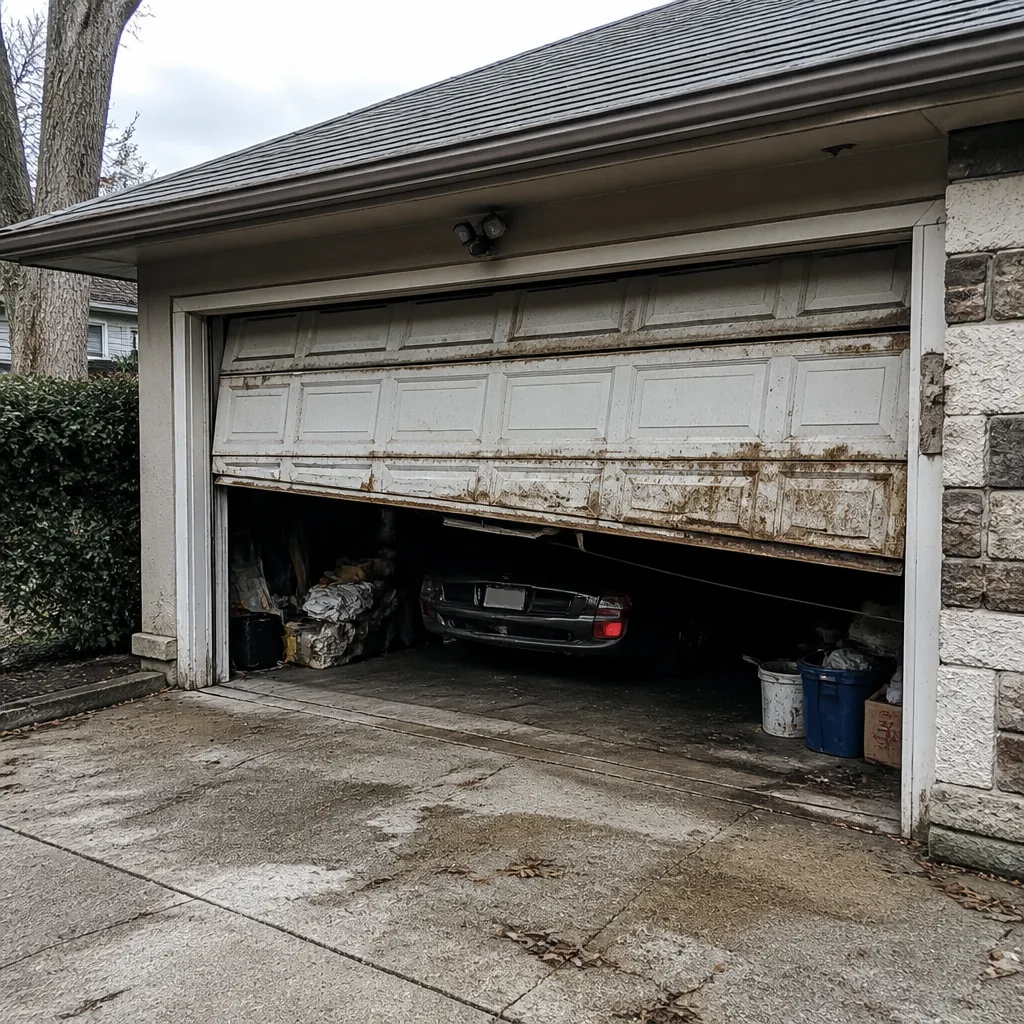
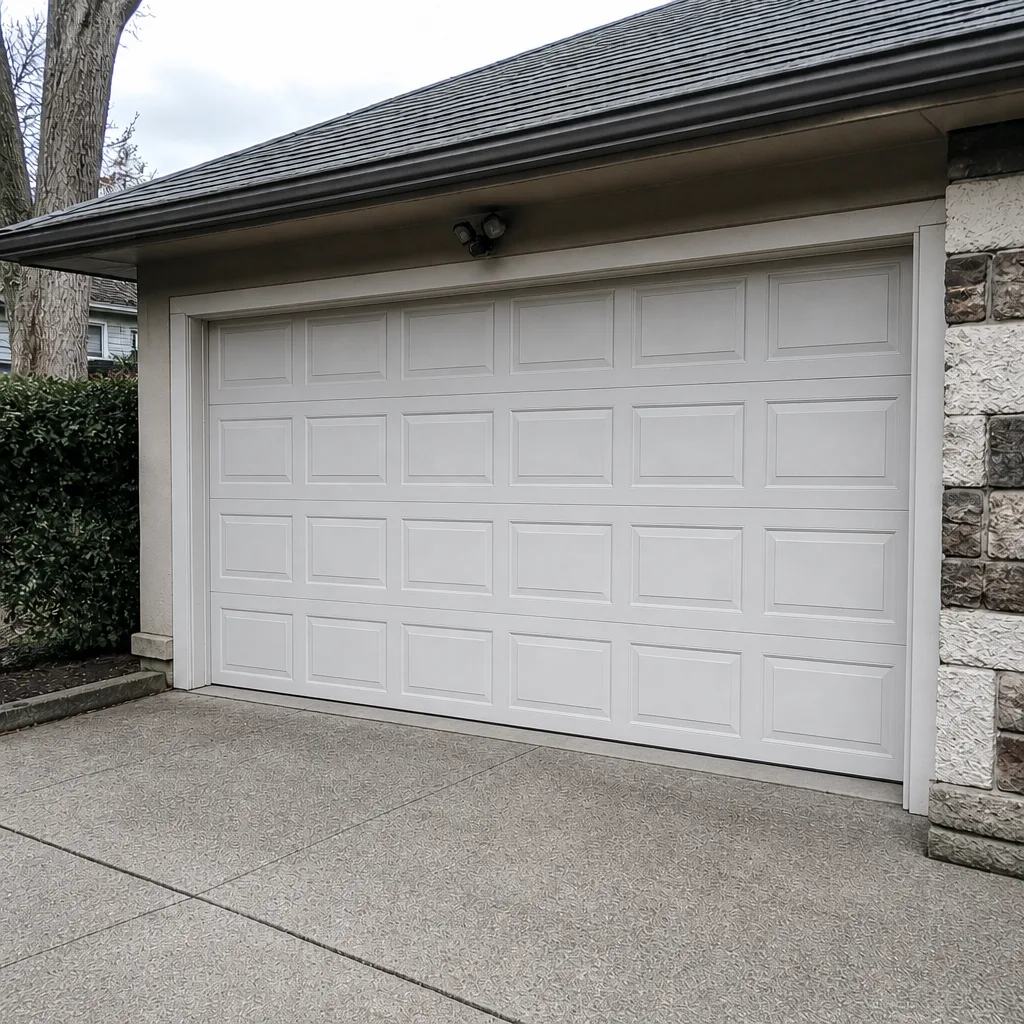
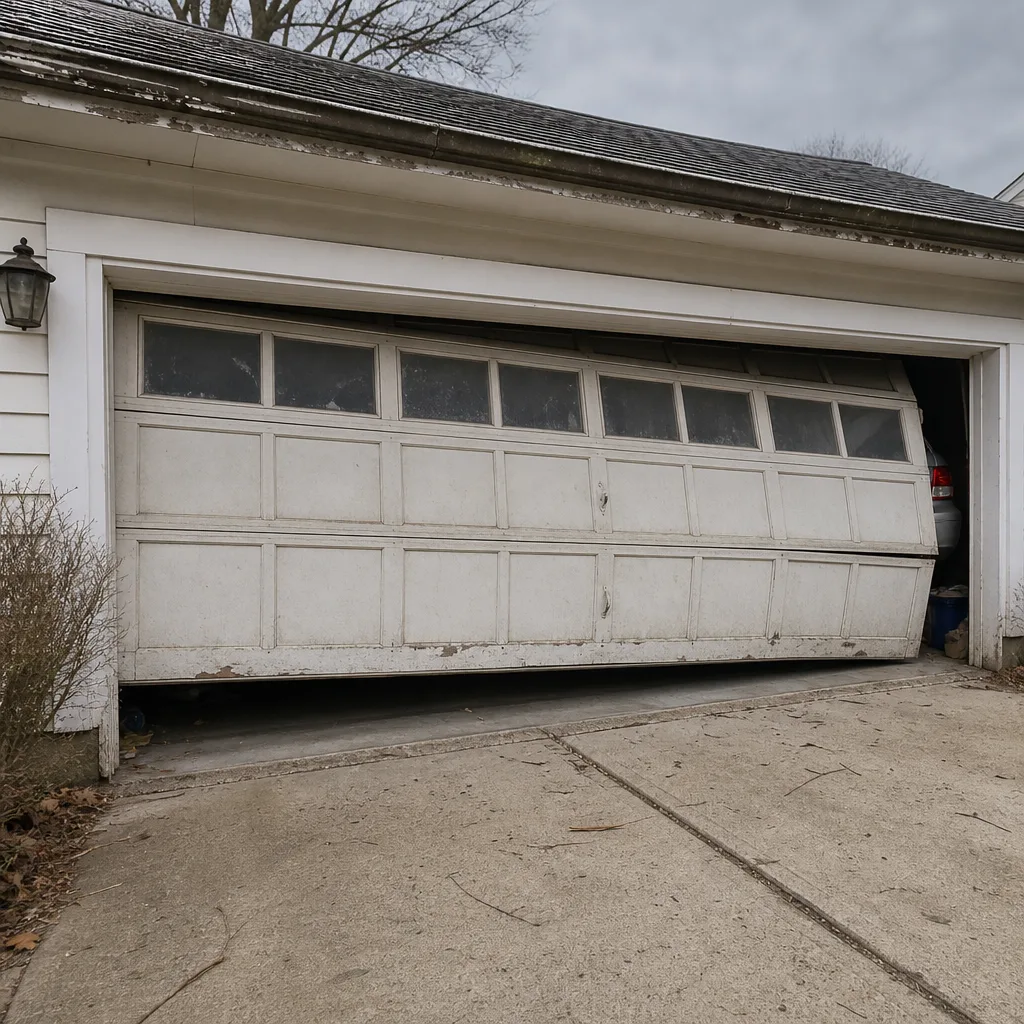
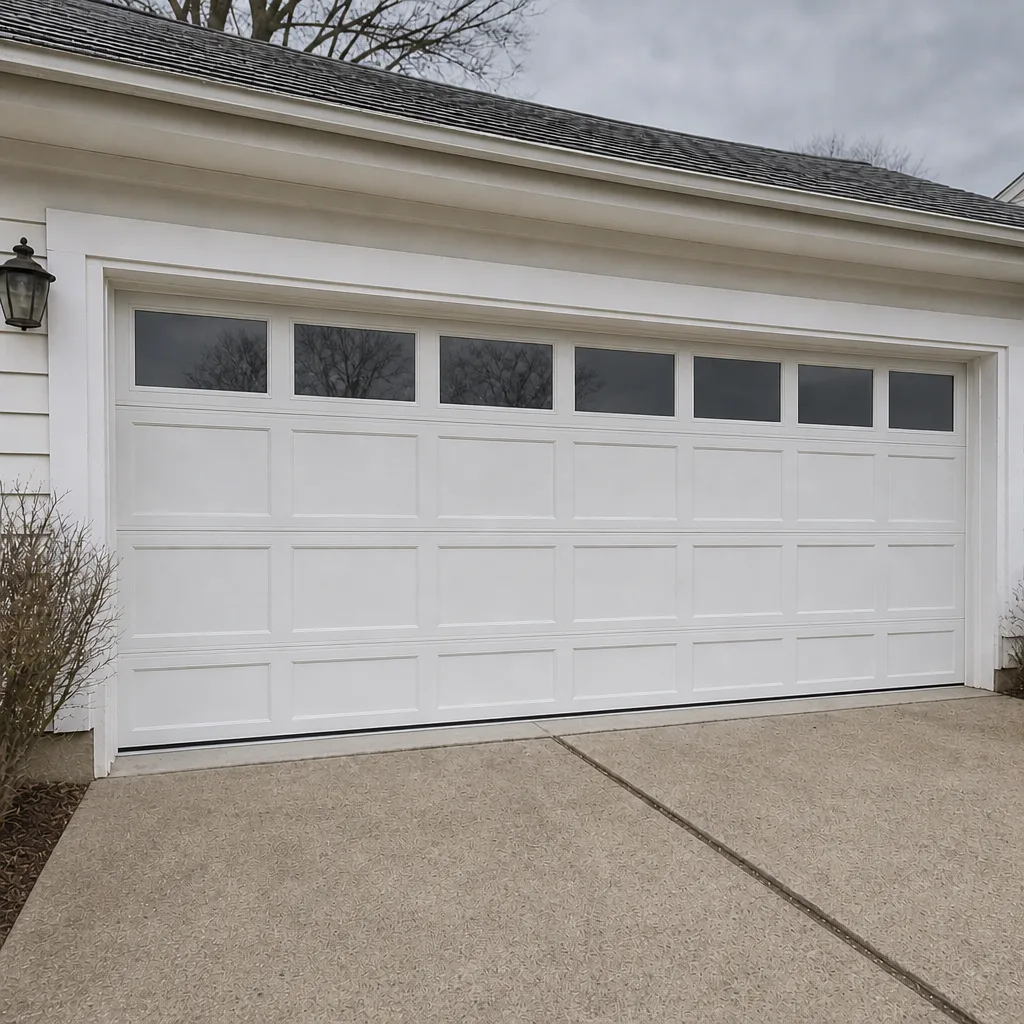
See the difference
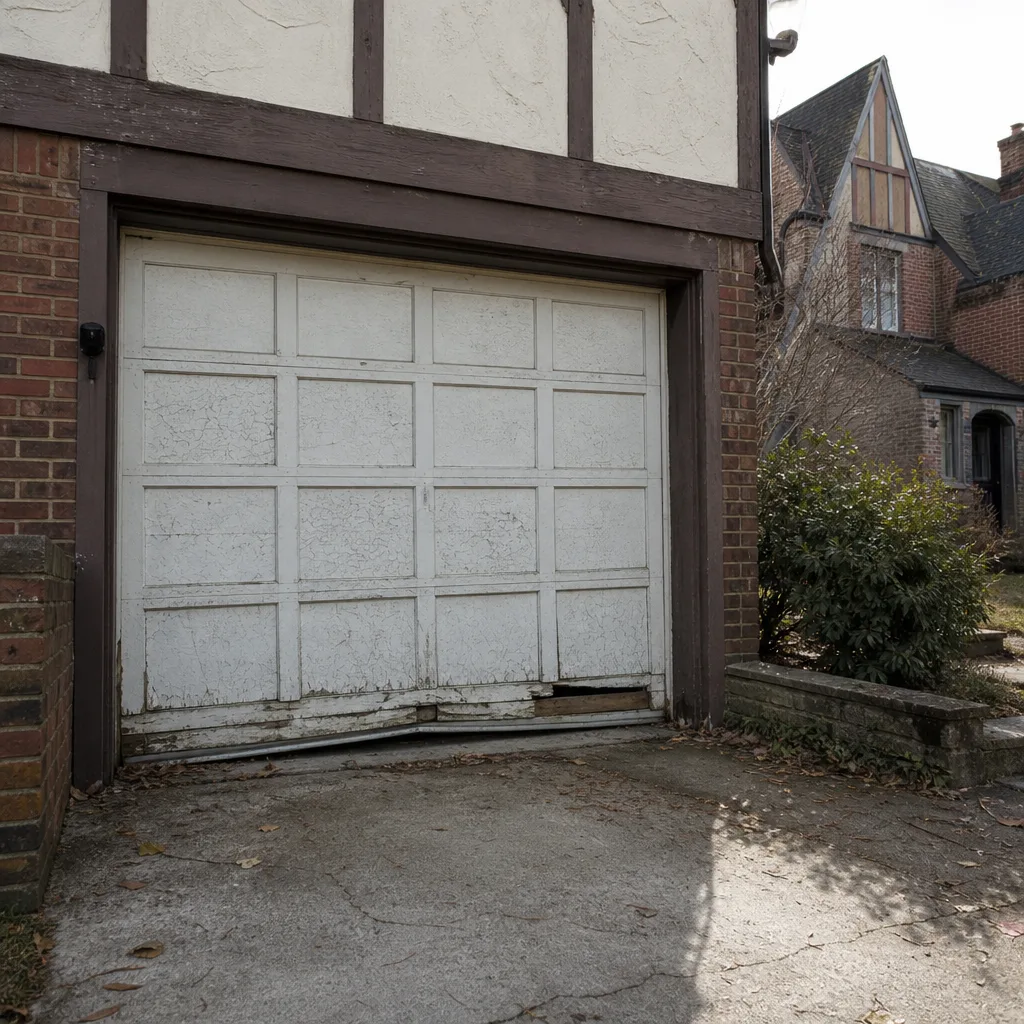 Before
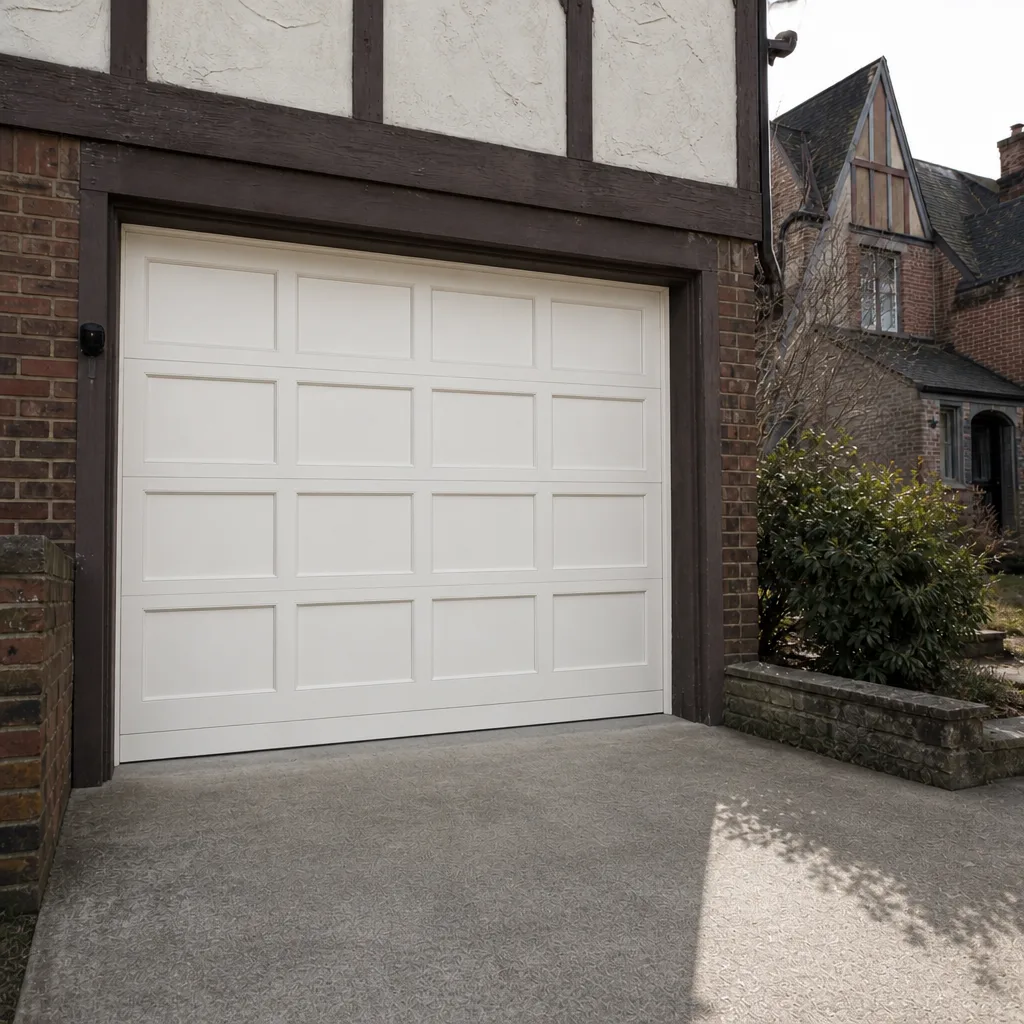 After
 Before
 After
 Before
 After
When to Call a Professional
Call a professional the moment the job touches spring tension, cables, or a door that’s off its track or moving unevenly. Also call if the door has injured someone, if you’ve tried a DIY fix and it didn’t hold, or if you’re uncertain whether the problem is a symptom of something bigger. The judgment call is part of the service – a good technician will tell you when a task was actually a DIY job and you didn’t need to call. Forest Hills Garage Door Repair Pros offers free estimates in Forest Hills. Call (855) 658-4356. We answer 24/7. Fast dispatch from 7am to 7pm, Sunday through Friday, and same-day service when the door won’t move. Our technicians have up to 8 years of experience, and the price is quoted and agreed before any work starts, so there’s no surprise on the invoice.
Frequently Asked Questions
No. Torsion and extension springs store energy under tension and can cause serious injury when released without proper tooling. Spring replacement is a professional job regardless of how handy you are, because the risk comes from the setup and the tools, not from a lack of knowledge. Call (855) 658-4356 for a free estimate.
Weatherstripping replacement, safety sensor alignment, lubrication, remote and keypad reprogramming, and visual inspection are all DIY-safe. Any repair that involves spring tension, cables, or track work under load belongs to a trained technician. When in doubt, ask before you start.
Because spring work is a tool and setup problem, not a knowledge problem. Even a skilled DIYer without a proper winding bar, the right replacement spring, and a safely blocked door is exposed to the same release risk. Understanding the mechanics doesn’t change the physics of stored energy.
It can be. If a door you repaired yourself later fails or injures someone, your insurer may view the work as homeowner-maintained risk, which can complicate a claim. Policies differ, so check with your carrier – but a professional repair leaves you with documentation that a DIY job doesn’t. Call us for a free estimate at (855) 658-4356.
Most LiftMaster and Chamberlain units let you reset travel limits and force settings from the wall console or motor head, and Genie units are similar with a slightly different sequence. Beyond that, proprietary service tools and internal diagnostics usually require a technician. We work on LiftMaster, Chamberlain, Genie, and Clopay systems, plus others, and can diagnose brand-specific issues quickly.
A single failed component on an otherwise sound door is a repair. Multiple failures on an aging door with an old opener often point to replacement. A free estimate in Forest Hills will tell you which path makes sense for your specific door and budget, and you’ll get a written price before any work begins.
The Bottom Line
Garage door work divides cleanly into tasks you can do yourself and tasks you shouldn’t touch, and the dividing line runs through stored spring tension. Weatherstripping, sensors, lubrication, and remote programming are safe, useful DIY projects. Spring replacement, cable replacement, and track realignment under load are professional work because the danger comes from the tools and setup, not from a lack of skill. In Forest Hills, older garage doors make that distinction more important, not less. If you’re unsure which side of the line your problem sits on, a free estimate settles it quickly. Call Forest Hills Garage Door Repair Pros at (855) 658-4356. We answer 24/7, with fast dispatch from 7am to 7pm, Sunday through Friday. The price is quoted and agreed before any work starts.
Written by the team at Forest Hills Garage Door Repair Pros.