
Last updated November 21, 2026
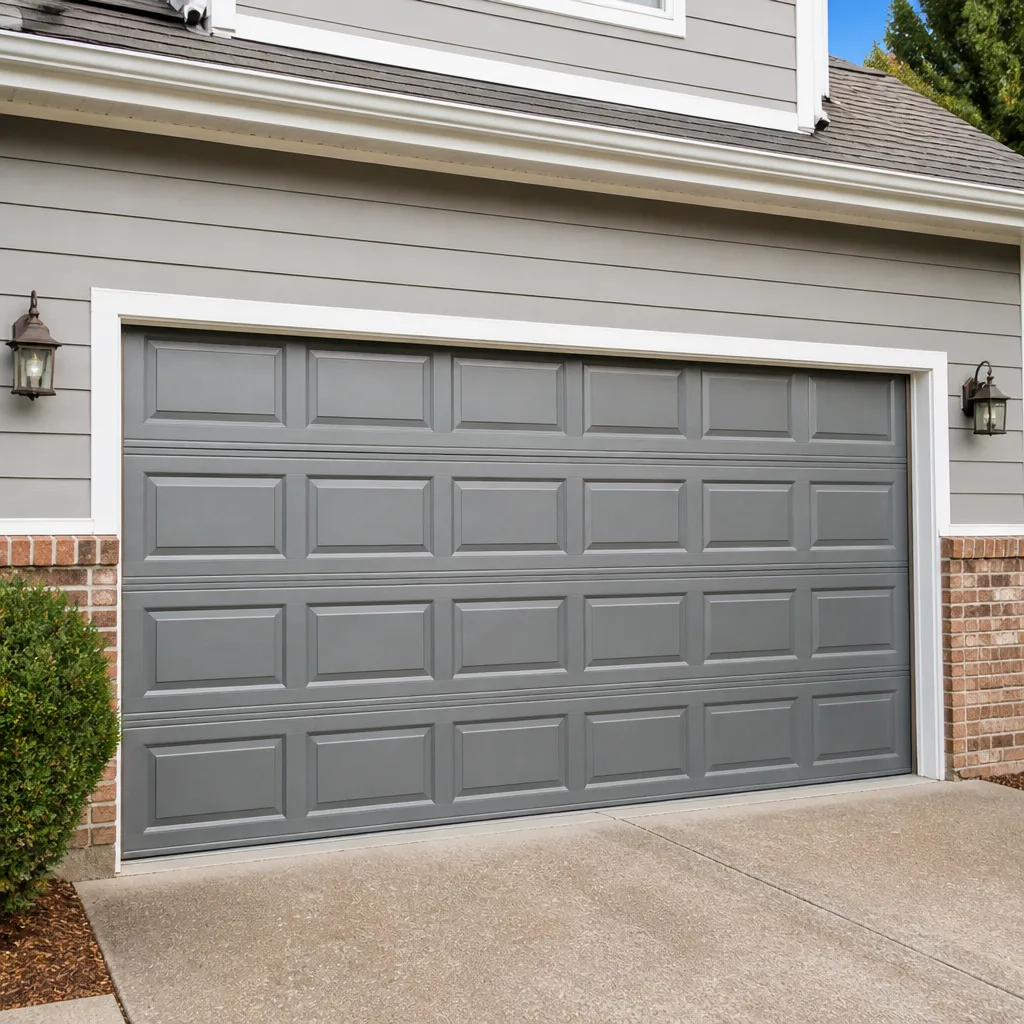 Raised-panel steel
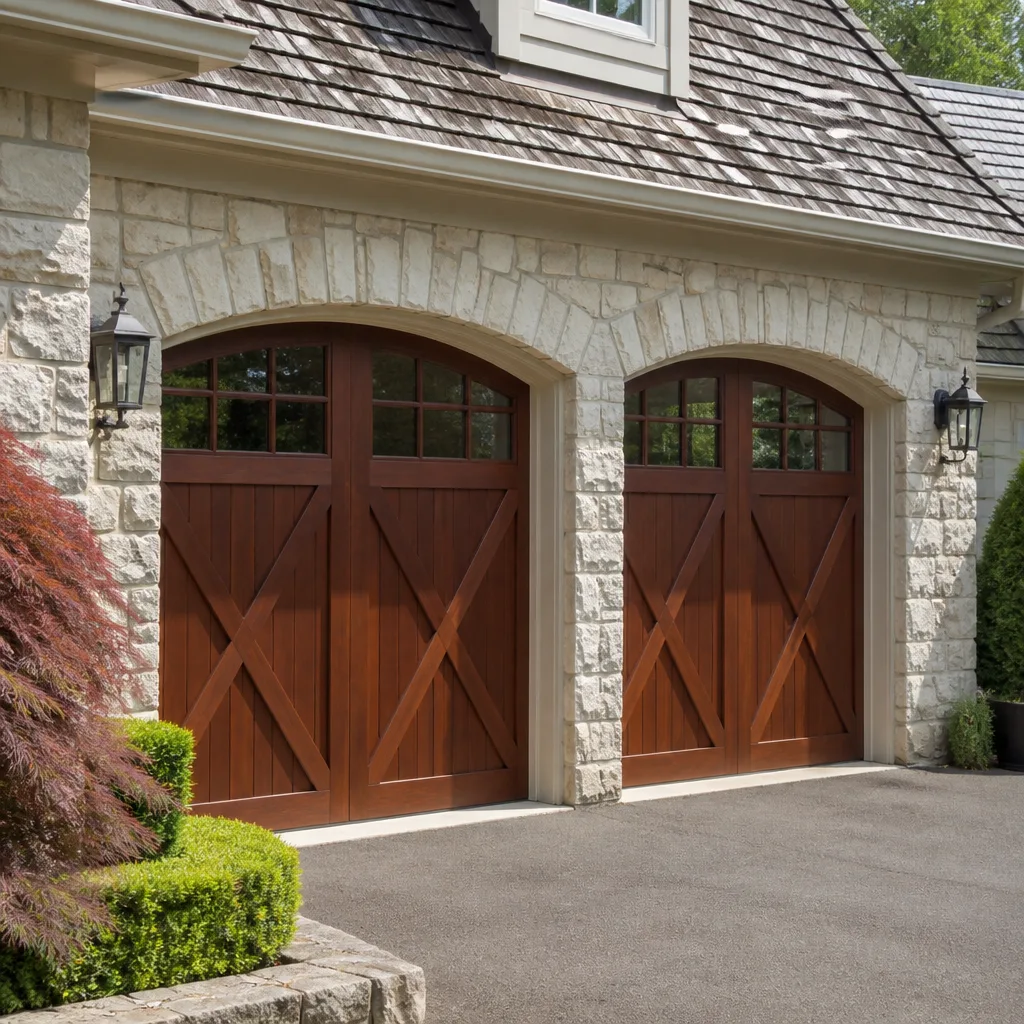 Carriage house
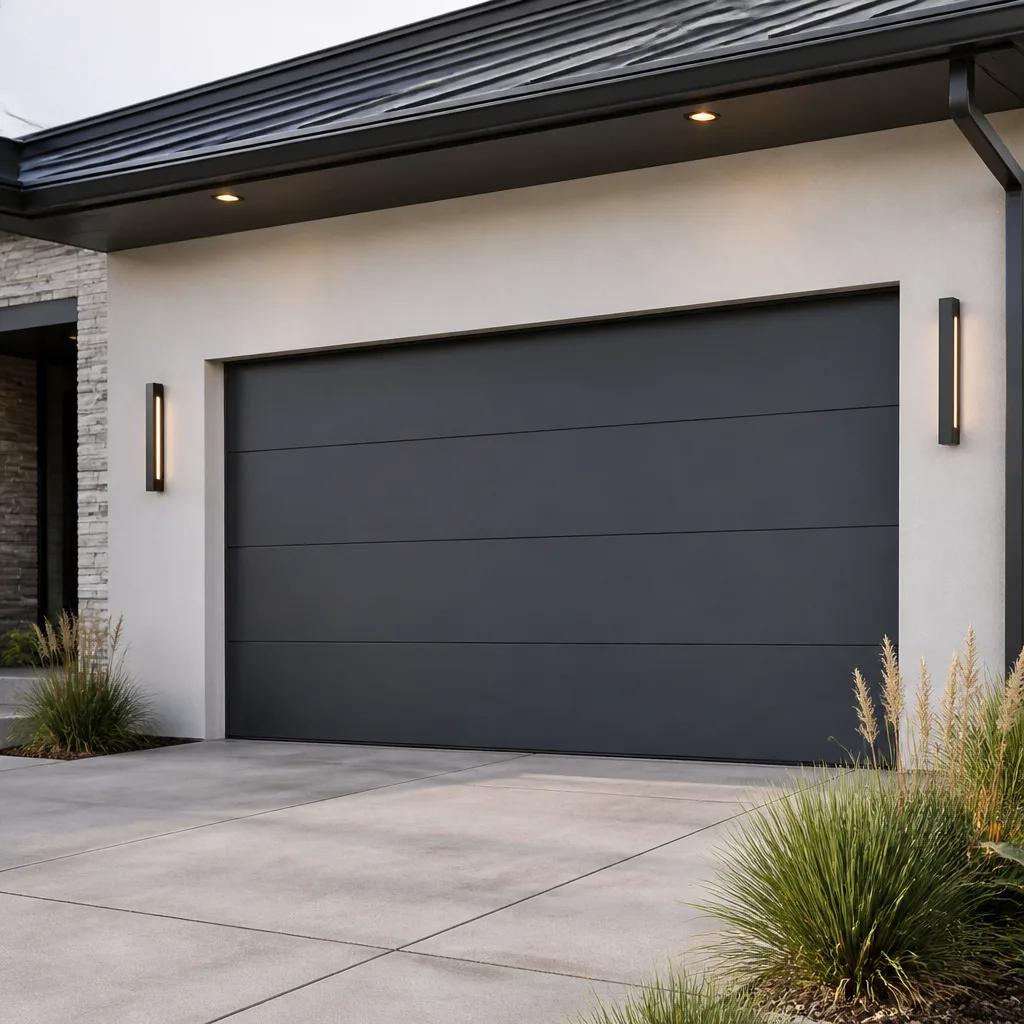 Modern flush
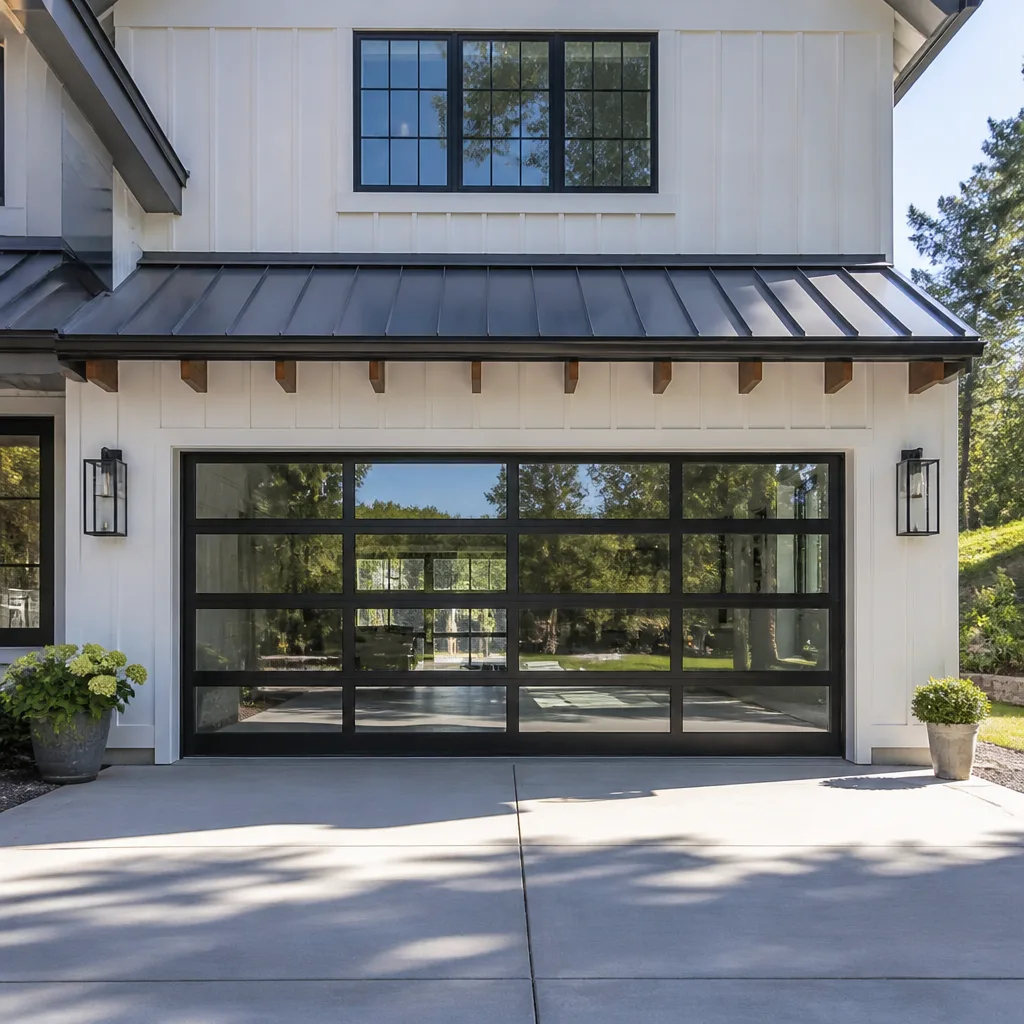 Full-view glass
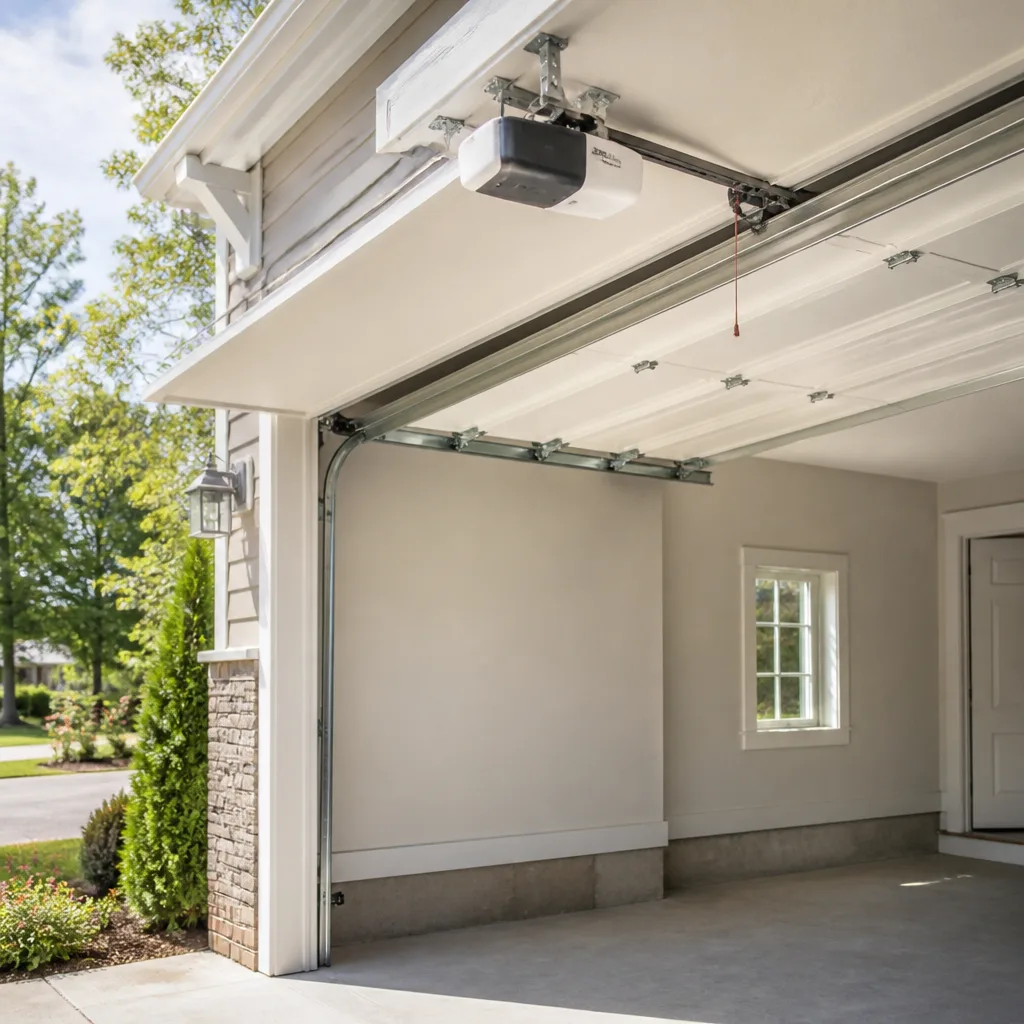 LiftMaster openers
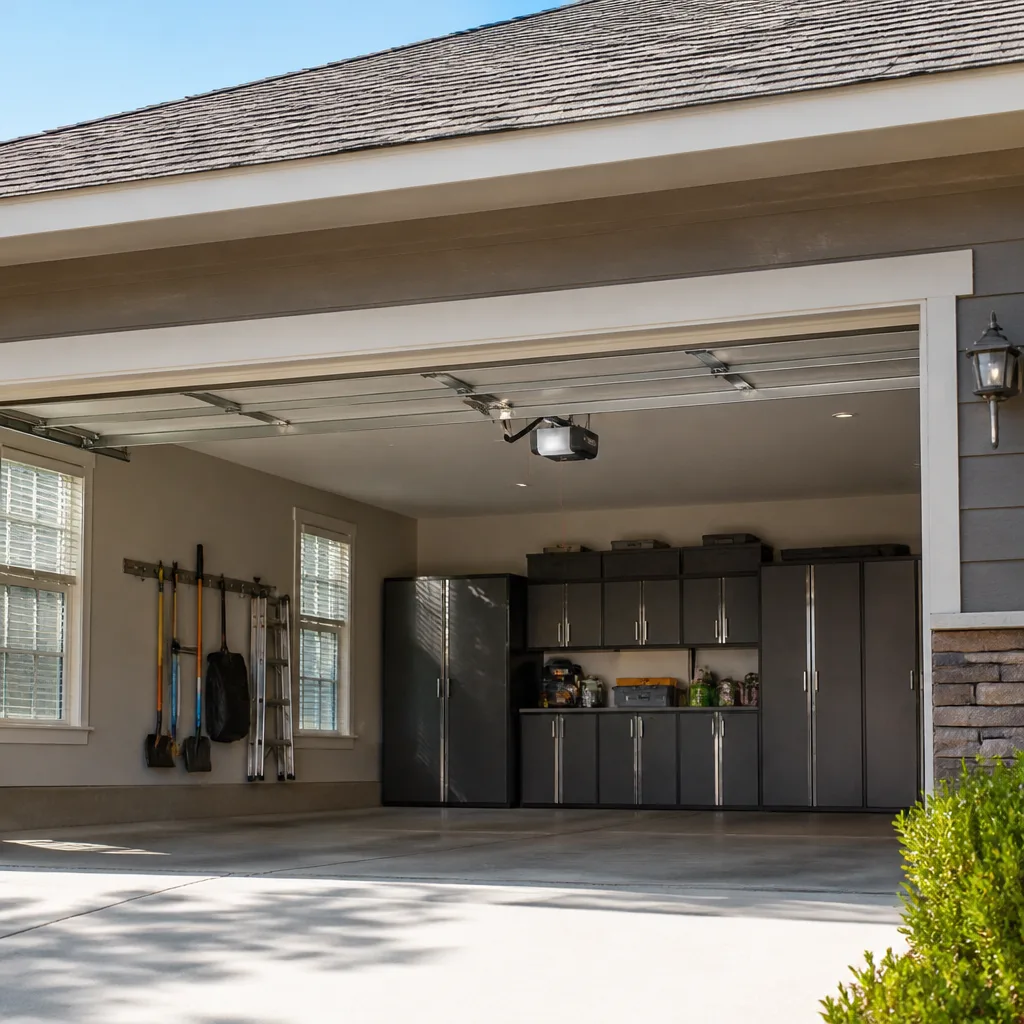 Chamberlain openers
Full 25-point door and opener safety check with every visit - springs, cables, rollers, tracks, and your LiftMaster or Chamberlain opener included
You get a price before we start. It does not change when the pro arrives.
Get your free estimateThe Complete Guide to Garage Doors in Forest Hills
Most Forest Hills garages were built before automatic openers existed, which means the door system you’re running today was retrofitted into a space that was never designed for it. That single fact explains more garage door failures in this neighborhood than any brand defect or worn part. Headers are shallow because nobody was planning for a torsion shaft and a rail. Tracks run close to walls because the carriage house or attached row house was laid out around a car, not a motor. When we open up a Forest Hills garage to diagnose a problem, the history of the building is usually part of the diagnosis. This guide walks through what that means in practice: which door types are still operating here, how opener brands fit into older construction, what shared driveways do to spring and cable loads, and where permits and egress rules come into play.
Quick Answer
Garage doors in Forest Hills mostly fall into three categories: original tilt-up doors on pre-war and mid-century homes, retrofitted sectional doors on attached row houses, and newer roll-up doors on properties where overhead clearance is tight. The right approach depends on header height, driveway width, and whether the existing opener mounts cleanly to the structure. For anything involving springs, cables, or opener electrical work, a trained technician should handle it; the injury risk is real and the tools are specialized.
Styles & brands we work with
- Raised-panel steel
- Carriage house
- Modern flush
- Full-view glass
- LiftMaster openers
- Chamberlain openers
Table of Contents
- How Pre-War and Mid-Century Construction Shapes Garage Doors in Forest Hills
- Which Door Types Are Still Operating in Forest Hills, and Which Are Worth Converting
- Opener Brands Common in Queens Homes: LiftMaster, Chamberlain, Genie, and More
- How Shared and Narrow Driveways Change Spring and Cable Requirements
- NYC-Specific Considerations: Egress, Exterior Finish, and Permits
- A Simple Maintenance Routine for Forest Hills Homeowners
- Repair or Replace? How to Decide
- What Garage Door Work Typically Costs in Forest Hills
How Pre-War and Mid-Century Construction Shapes Garage Doors in Forest Hills
If you live in one of the original Forest Hills Gardens homes or a pre-war row house off Austin Street, your garage was almost certainly built for a manual door. That means the header above the opening is often shallower than what a modern sectional door and torsion assembly expect. A standard sectional door needs enough headroom for the door panels to travel up and back along the tracks; when the header is only a foot or so deep, the installer has to make a choice between a low-headroom torsion setup, a rear-mount spring, or a different door type altogether.
Mid-century homes on the edges of Forest Hills, particularly the detached houses toward the Grand Central Parkway side, tend to have slightly more generous garages because they were built in the era when families were starting to own two cars. Even there, though, ceiling height is often eight feet or less, which rules out some of the taller radius track kits that work in newer construction.
What this means for you as a homeowner:
- Measure before you shop. Header depth, ceiling height, and side clearance determine which doors and openers will actually fit. A door that looks right in a brochure may not clear your existing structure.
- Expect retrofit work. Mounting an opener to a pre-war header often requires reinforcing the mounting point, because the original lumber was never spec’d for the weight and vibration of a motor.
- Tracks run tight. Side clearance in older Forest Hills garages is frequently minimal, so track extensions and jamb brackets need careful fitting to avoid rubbing.
- Electrical runs matter. Outlets near the opener mounting point are not a given in pre-war construction, and the wiring has to be done correctly.
When we assess a garage in Forest Hills, the first thing we do is look at the structure before we look at the door. The building tells us what options are realistic.
Which Door Types Are Still Operating in Forest Hills, and Which Are Worth Converting
Walk through the residential blocks of Forest Hills and you’ll see three distinct door types still in daily use. Each has trade-offs worth understanding before you decide to repair, upgrade, or convert.
Tilt-Up Doors
Tilt-up doors swing out and up in one piece. They’re common on original garages from the 1920s through the 1950s, and many are still functioning. They’re mechanically simple: usually a pair of extension springs, a jamb hardware set, and a manual lift handle. The advantage is simplicity and fewer moving parts. The disadvantage is that they need a clear swing arc in front of the door, which is a problem on narrow or shared driveways, and they don’t convert cleanly to automatic operation without significant track and header work.
Roll-Up Doors
Roll-up doors coil into a drum above the opening. They’re the space-saver, and they show up in Forest Hills on garages where overhead clearance is minimal. Many are still manual, though automatic roll-up operators exist. If your garage has less than a foot of headroom above the opening, a roll-up may be your only option besides a tilt-up. The trade-off is that roll-up doors offer less insulation and a different aesthetic than sectional doors, which matters if your home is in a historic block.
Sectional Doors
Sectional doors are the modern standard: horizontal panels that ride up and back along tracks. Most Forest Hills homeowners who have replaced a door in the last few decades have a sectional. They’re the easiest to automate, the easiest to insulate, and the most flexible on style. The catch is that they need overhead clearance for the horizontal track, which brings us back to the header question.
Which are worth converting? In our experience, sectional doors are almost always worth converting to automatic operation if the structure allows it. Tilt-up doors are usually better left manual unless the homeowner is committed to structural work. Roll-up doors sit in the middle: converting is possible, but the cost-benefit depends on how often the door is used. If you’re weighing a conversion, a garage door installation consultation can tell you what your specific garage will support before you commit.
Opener Brands Common in Queens Homes: LiftMaster, Chamberlain, Genie, and More
Most openers in Forest Hills homes come from a handful of manufacturers, and each has quirks worth knowing. The brand on your motor doesn’t just affect which remote you buy; it affects how a technician diagnoses a problem.
LiftMaster and Chamberlain
LiftMaster and Chamberlain share a lot of engineering DNA, which means many parts and accessories are cross-compatible. If your opener is a LiftMaster from the last decade, the common failure points are the logic board, the travel limits, and the safety sensors. Chamberlain units tend to show the same patterns. Both are well-supported by parts availability, which is one reason technicians are comfortable working on them. If your opener is a Chamberlain and the door reverses for no obvious reason, the safety sensor alignment is the first thing to check.
Genie
Genie openers are common in mid-century Forest Hills homes and tend to have a different control board layout than the LiftMaster family. Genie units are generally reliable, but older models sometimes have chain-drive wear that shows up as a grinding noise or uneven travel. If you have a Genie and the door stops mid-travel, the travel limit switches or the drive gear are the usual suspects.
Craftsman and Raynor
Craftsman openers, often installed by homeowners decades ago, are still running in many Forest Hills garages. Parts availability is more limited than for LiftMaster or Chamberlain, which affects repair strategy. Raynor doors and openers show up in some of the newer builds and additions around the neighborhood; they’re solid systems, and knowing the Raynor mounting pattern matters for replacements.
We work on LiftMaster, Chamberlain, Genie, Clopay, Amarr, Wayne Dalton, Craftsman, and Raynor systems specifically. That matters because brand-specific diagnosis is faster: we know which fault codes appear on which control boards, and we know which parts to expect to fail at what age. If you want to understand what a repair looks like for your brand, the garage door opener repair page goes deeper.
How Shared and Narrow Driveways Change Spring and Cable Requirements
A lot of Forest Hills homes have driveways that are narrower than what modern cars were designed for. Some are shared with a neighbor. Some are single-track with barely enough room to open a door and walk around the car. This isn’t just a parking inconvenience; it changes the mechanical requirements of the door.
Springs and cables do the lifting, and their ratings are matched to the weight of the door. When a door has to be narrow, the panels are lighter, which means the springs are rated lower. When the door is also tall (which happens on some of the older carriage-house style garages), the geometry changes again. A technician who quotes a spring by eye instead of by door weight is guessing, and a mismatched spring is a safety issue, not just a performance issue. Torsion and extension springs are under substantial tension, and the tools and training needed to replace them safely are not something to improvise.
Narrow driveways also affect how the door opens in practice:
- Alignment matters more. If the car is parked slightly off-center, the safety sensors at the bottom of the tracks can be blocked, and the door won’t close.
- Track clearance is smaller. The jamb brackets and track assemblies have less room, so any misalignment shows up as rubbing or binding faster than on a wider driveway.
- Shared driveways need clear sensor lines. When two households share a drive, each one’s door is often within sensor range of the other’s parking spot, which is a common source of “phantom” reversing.
If your spring has failed and your car is trapped on a narrow Forest Hills driveway, that’s the kind of situation where an emergency call makes sense. We handle spring work in-house, and we can talk you through what’s happening while we get a technician to you.
NYC-Specific Considerations: Egress, Exterior Finish, and Permits
Garage doors in New York City sit inside a regulatory framework that other parts of the country don’t share, and Forest Hills is no exception. Three areas matter most: fire egress, exterior finish rules in historic blocks, and permit triggers.
Fire Egress
Any garage attached to a dwelling has to preserve the means of egress from the home. If your garage door is also a path to the outside (for a back door, for example), the door’s operation and the presence of a pedestrian door both factor in. When we install a new door or opener, we look at whether the installation would interfere with walking access. This isn’t something a homeowner should have to work out alone, and it’s one of the reasons new installation in a Forest Hills attached garage is worth doing with someone who knows the local rules.
Exterior Finish Rules in Historic Blocks
Forest Hills has designated historic areas, and door replacement in those blocks can fall under review for exterior appearance. That doesn’t mean you can’t replace your door; it means the material, color, and panel style may need to match the character of the block. If you’re in one of those areas, check with your local historic district contact before ordering a door. The earlier you know, the fewer surprises later.
Permit Triggers
Most cities require a permit for structural changes to a garage opening, and New York City is no different. Replacing a door in-kind often does not require a permit, but widening an opening, changing the header, or changing the door type (for example, from tilt-up to sectional) usually does. Ask your city’s building department before the work starts. We can walk through the scope with you so the permit conversation is straightforward.
A Simple Maintenance Routine for Forest Hills Homeowners
Garage doors hold up better with a small amount of routine attention. Here’s a routine we recommend for Forest Hills homeowners, and it’s something you can do yourself for the most part:
- Look at the springs. A gap in a torsion spring or a stretched extension spring is a warning sign. Do not try to adjust or remove a spring; call a technician.
- Listen to the door. Grinding, squealing, or popping sounds usually mean a roller, hinge, or bearing needs attention. Early detection is cheaper than waiting for a failure.
- Test the safety sensors. Wave an object in front of the sensors while the door is closing. If the door doesn’t reverse, the sensors are out of alignment or failing.
- Wipe down the tracks. Dirt and grit in the track accelerate wear on the rollers. A dry cloth is enough; avoid heavy lubrication in the track, which attracts dust.
- Check the balance. Disconnect the opener and lift the door halfway by hand. A balanced door should stay put. If it drops or rises on its own, the springs need attention.
- Test the auto-reverse. Place a small board on the ground under the closing door. The door should reverse on contact. If it doesn’t, the opener needs service before the door is used again.
One more item that isn’t on most maintenance lists: check the mounting point on older Forest Hills homes. The opener bracket on a pre-war header can loosen over time, and a loose bracket puts torque on the structure. It’s easy to spot when you look up at the ceiling.
Repair or Replace? How to Decide
The repair-versus-replace decision comes down to three questions: how old is the door, how many systems are involved in the problem, and how much does the door matter to your home’s appearance and function.
Repair usually makes sense when the door is under 15 years old, the problem is isolated (a single spring, a single roller, a single opener component), and the existing door fits your garage properly. A door that fits and functions well just needs correct repair, not replacement.
Replacement usually makes sense when the door is visibly deteriorated, multiple systems are failing at once, the existing door type doesn’t fit your needs (for example, a tilt-up that swings into a narrow driveway), or you’re going to spend close to the cost of a new door on repairs to an old one. A door that’s on its last legs of springs, rollers, and opener is a series of repairs waiting to happen.
Convert vs. replace the opener is a third question. If the door itself is fine but the opener is failing, replacing the opener alone is often the right call. If both are aging, it’s usually worth doing them together so the system is matched. Clopay and Amarr doors are common in Forest Hills replacements, and matching the door weight to the opener capacity is part of the spec work on any replacement.
What Garage Door Work Typically Costs in Forest Hills
Typical cost ranges for garage door work in Forest Hills depend on the specific problem and door. These are estimates to help you plan, not quotes; the written estimate sets the final price.
| Service | Typical Estimated Cost |
|---|---|
| Spring replacement (one spring) | Per the written estimate; ask for the single-spring price and whether a matched pair is being recommended |
| Opener repair | Per the written estimate; depends on the brand and the failed component |
| Opener replacement | Per the written estimate; depends on brand and features |
| New door installation | Per the written estimate; depends on door type, brand, and garage dimensions |
We work per job by written estimate: a technician assesses the door, the opener, and the structure, and you get a price before any work starts. That price is what applies. For a thorough walkthrough of the assessment, see garage door repair in Forest Hills. If your call is urgent, call (855) 658-4356. We answer 24/7, and fast dispatch runs from 7am to 7pm.
Common Mistakes to Avoid
- Buying a door before measuring the header. In Forest Hills, the header is the first constraint. A door that looks right in the showroom may not fit the garage. Measure first, choose second.
- Trying to adjust a torsion spring yourself. Torsion and extension springs are under extreme tension. This is the single most dangerous DIY garage door job, and it’s not a close call. Leave spring work to a trained technician.
- Replacing only one spring of a matched pair. Matched springs are meant to be replaced together. Replacing one usually shortens the life of the other and causes the door to run unevenly.
- Assuming a new opener will fix a binding door. If the door binds or is off-track, a new opener will just strain against the same problem. Fix the door first.
- Ignoring the safety sensors. When the door reverses for no reason, the sensors are the usual culprit. It’s a small fix that gets put off and becomes an inconvenience.
- Skipping the permit question on structural changes. Widening the opening or changing the door type usually needs a permit in NYC. Ask the building department before work starts.
- Assuming a shared driveway is a solo problem. When two households share a drive, sensor alignment and track clearance have to be coordinated. It’s worth talking to your neighbor before a repair is scheduled.
See the difference
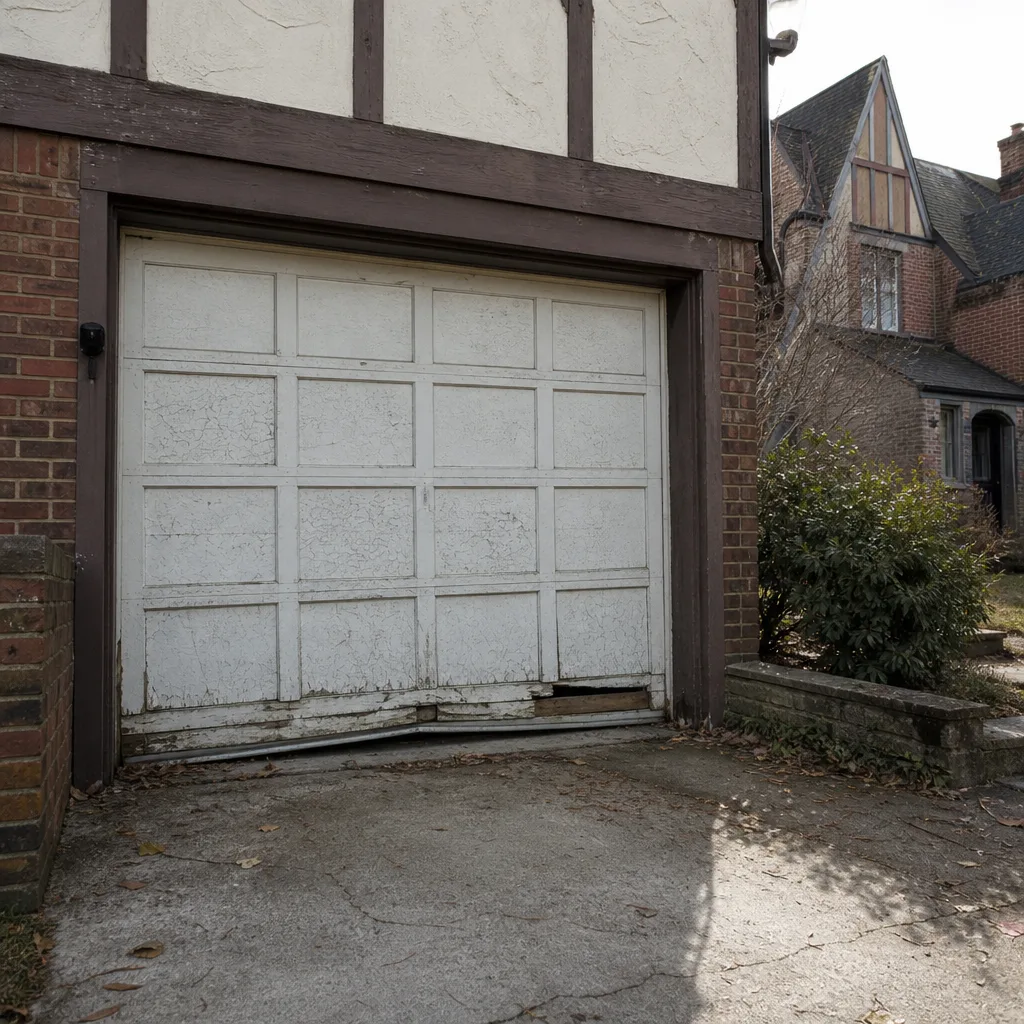 Before
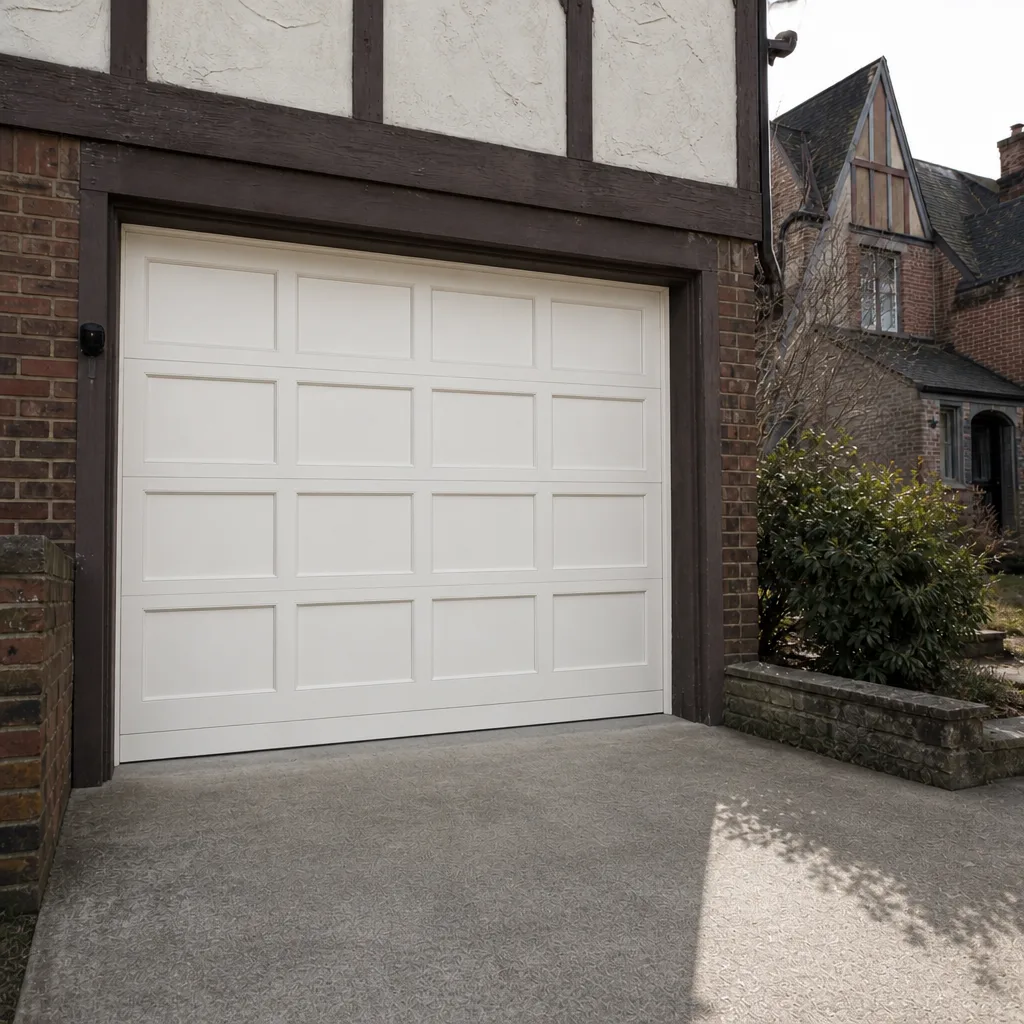 After
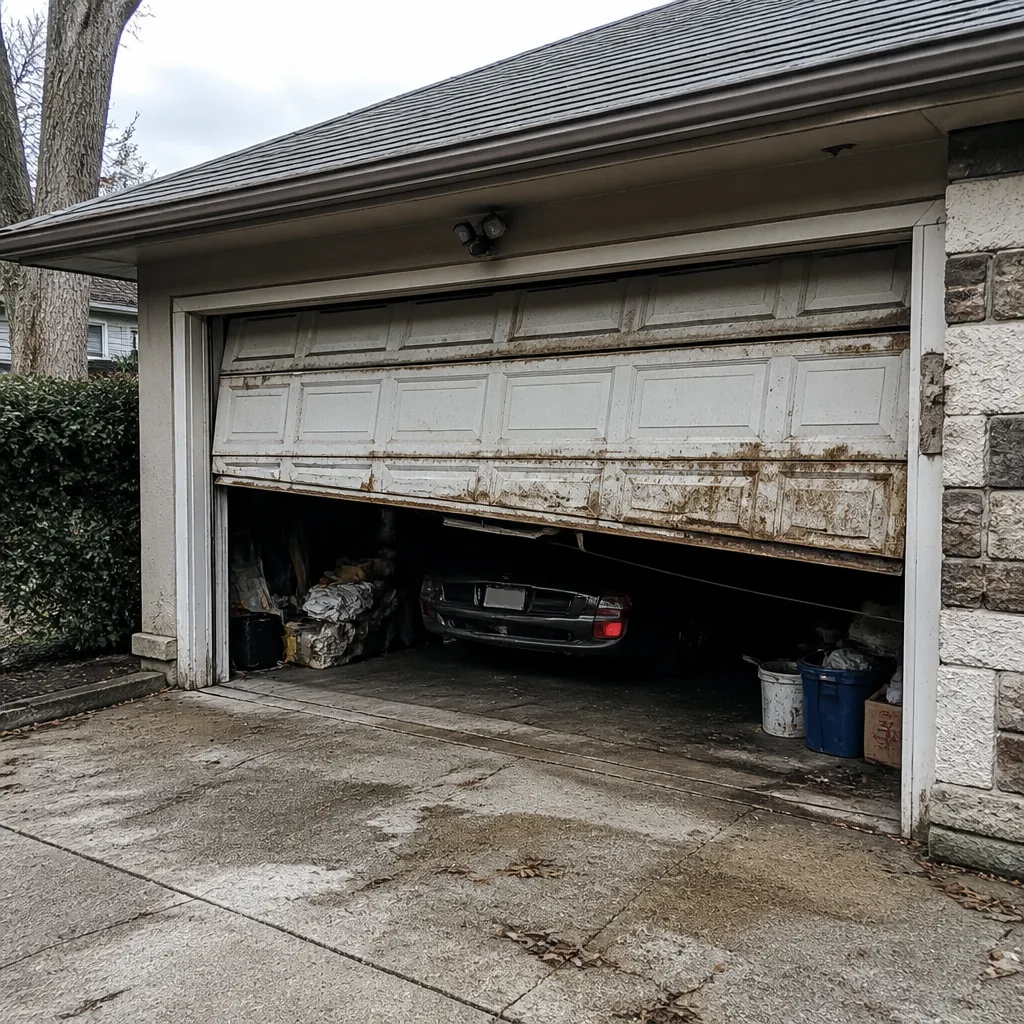 Before
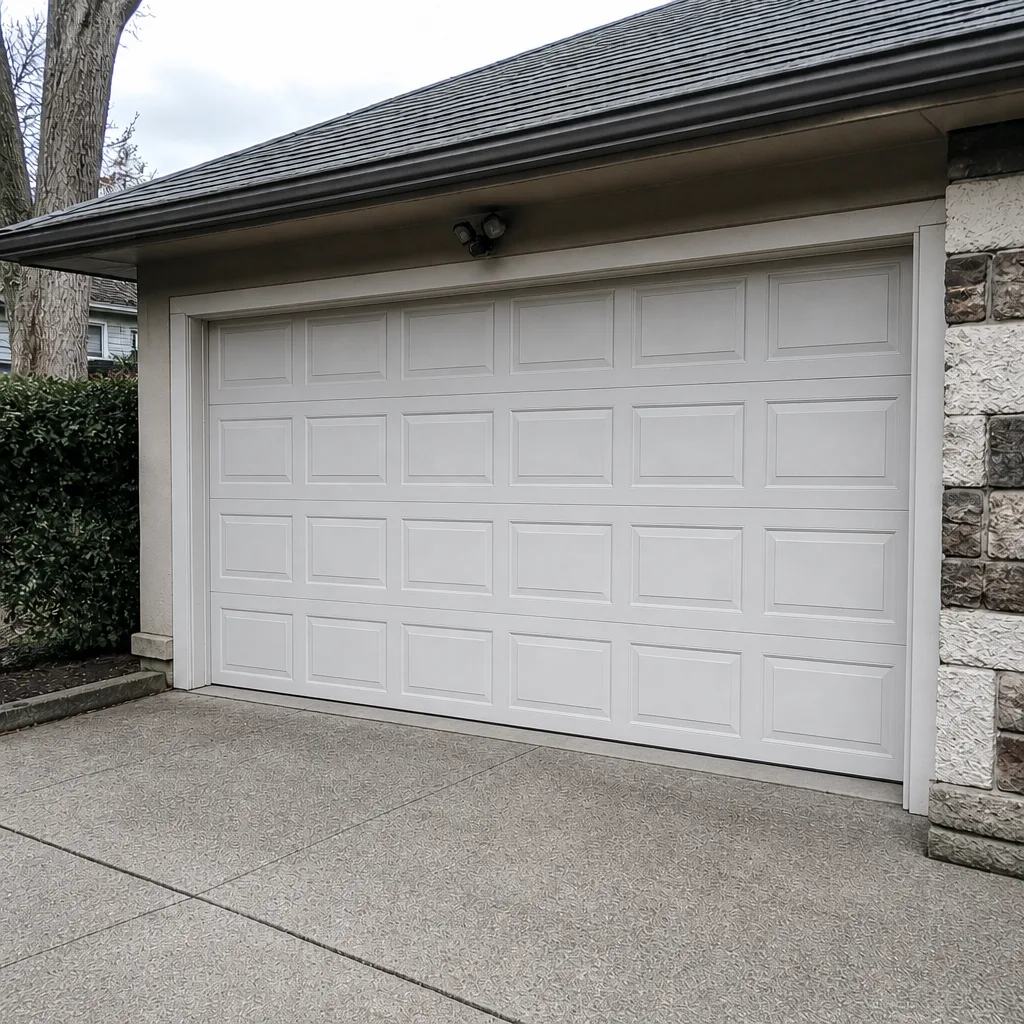 After
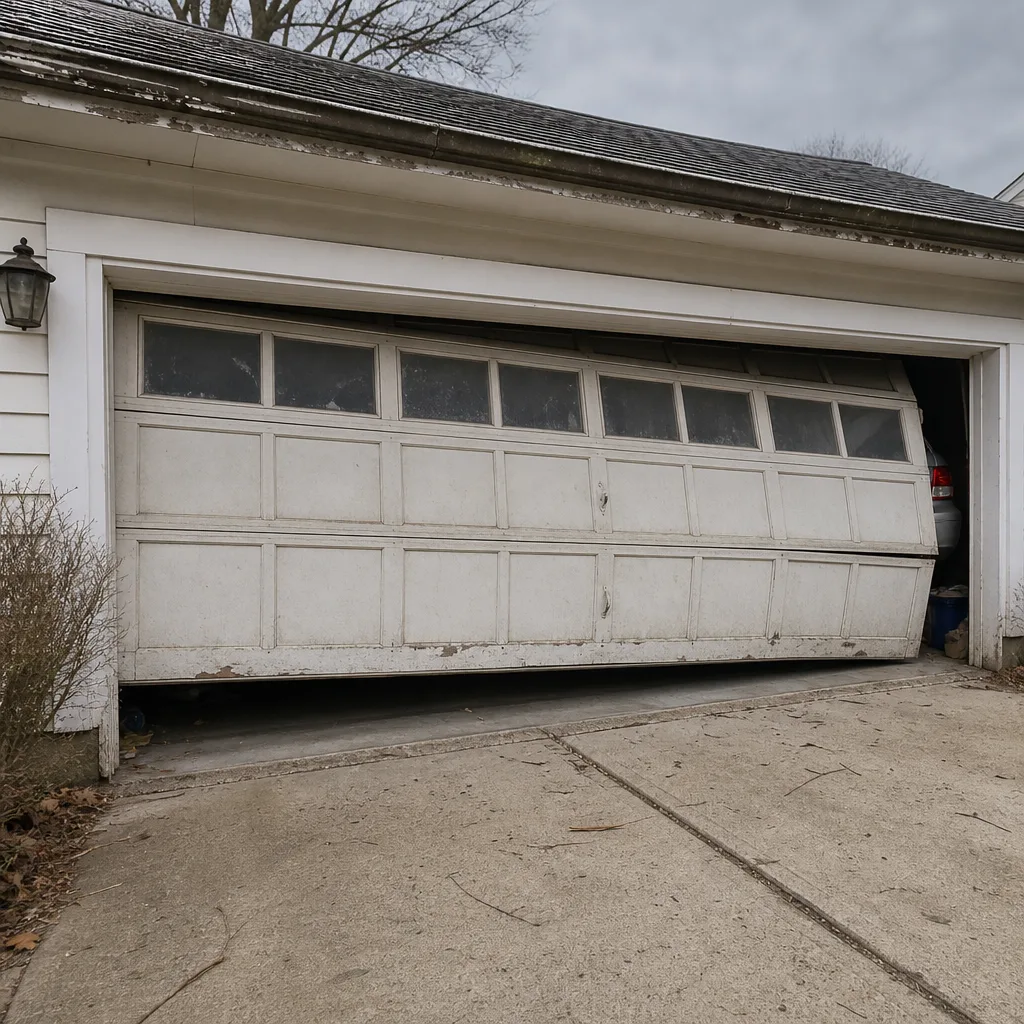 Before
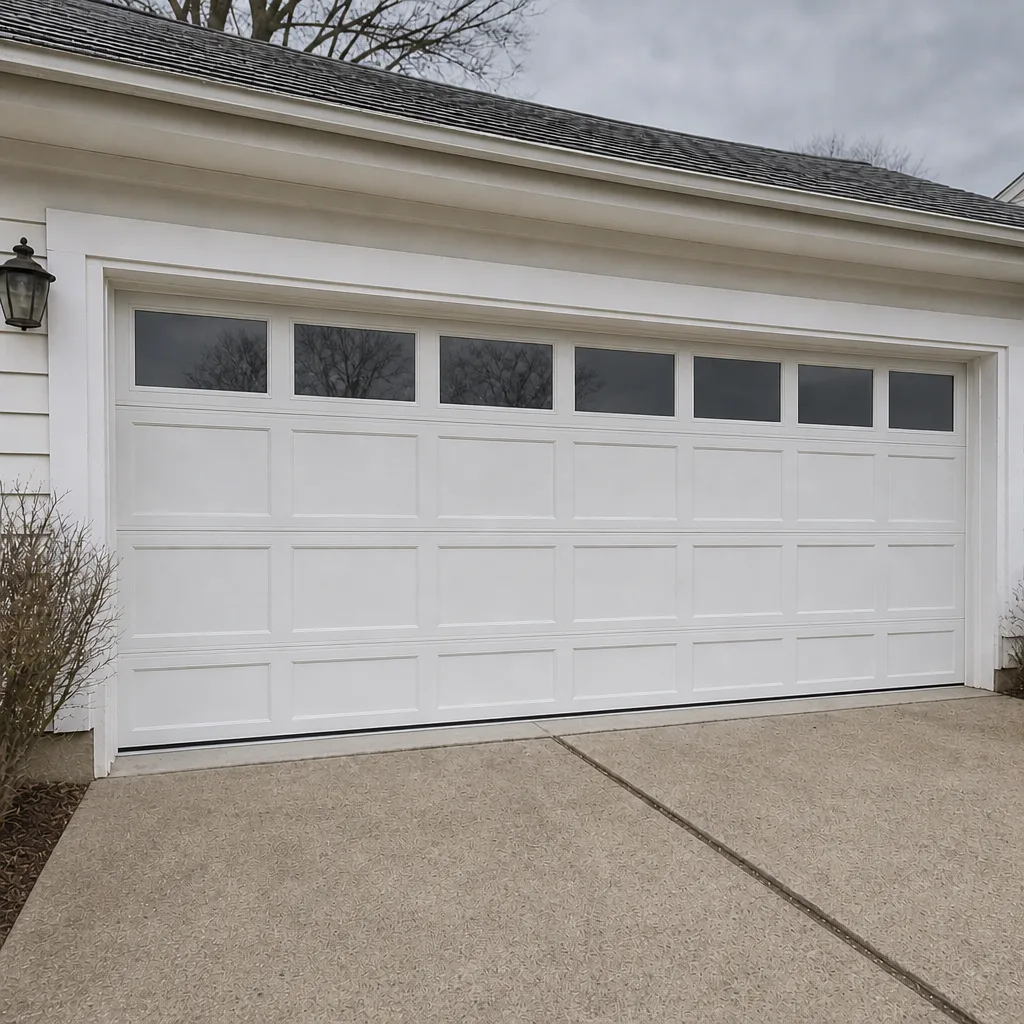 After
When to Call a Professional
Some garage door problems are straightforward to spot and easy to describe; most still need a technician. Call us when a spring has visibly broken, when the door won’t open or close, when the opener runs but the door doesn’t move, when the door reverses without anything in the way, or when the door has come off track. Call us when your Forest Hills driveway is blocked and your car is trapped inside. Call us when you’re considering a door replacement and want a measured assessment before ordering anything. Forest Hills Garage Door Repair Pros offers free estimates in Forest Hills. Call (855) 658-4356. We answer 24/7. Fast dispatch from 7am to 7pm, Sunday through Friday.
Frequently Asked Questions
Spring failure is the most common call we get, especially on doors that were retrofitted into pre-war garages. The springs in those older garages often need the door weight match checked carefully, and a worn spring that’s undersized for the door shows up as a door that suddenly won’t lift. If you’re not sure whether it’s the spring or the opener, call (855) 658-4356 and we can help narrow it down.
Replacing a door yourself is possible in theory but rarely advisable, especially in older Forest Hills construction where header clearance and track fitting are constrained. The safety risk of a torsion spring under tension is significant. Call (855) 658-4356 for a free estimate and let a trained technician handle the install.
It matters for how fast and accurately a technician can diagnose the problem. LiftMaster and Chamberlain share engineering, so parts and knowledge transfer cleanly; Genie has a distinct control layout; and Craftsman and Raynor have different parts availability. We work on all of these brands specifically, so we know what to expect going in. Call (855) 658-4356 for a free estimate.
That depends on what changes. An in-kind replacement often does not need a permit, but widening the opening, changing the door type, or altering the header usually does. Ask your city’s building department before work starts. We can help scope the work so the permit conversation is clear. Call (855) 658-4356 to talk it through.
Most openers run for somewhere around a decade before components start failing, though use frequency, door weight, and installation quality all shift that number. When an opener starts acting up, the age of the unit plus the condition of the door tells us whether repair or replacement is the better call. Call (855) 658-4356 for a free estimate.
Call (855) 658-4356. We answer 24/7, and if you’re outside dispatch hours we’ll book you into the next opening, Sunday through Friday, 7am to 7pm. Emergency garage door work is a core part of what we do, so it isn’t an upsell on our end.
The Bottom Line
Forest Hills garage doors are shaped by the neighborhood’s building stock: shallow headers, tight tracks, narrow and shared driveways, and a mix of tilt-up, roll-up, and sectional doors that have been retrofitted in different ways. The right approach starts with the structure, not the catalog. Springs and cables should always be handled by a trained technician because of the tension involved. Brand-specific knowledge matters for openers, especially with LiftMaster, Chamberlain, Genie, Craftsman, and Raynor systems in circulation. Permit and egress questions belong to your city’s building department, not to the door order. And whether you’re repairing what you have or replacing it, one company covering springs, openers, and doors keeps the whole system in one conversation. For an assessment of your garage, contact Forest Hills Garage Door Repair Pros.
Forest Hills Garage Door Repair Pros connects homeowners in Forest Hills with independent, vetted local professionals who perform garage door repair, opener repair, installation, spring repair, and emergency garage door service. The local pro is licensed and insured as their state requires. Our technicians have up to 8 years of experience, and we work on LiftMaster, Chamberlain, Genie, Clopay, Amarr, Wayne Dalton, Craftsman, and Raynor systems. Call (855) 658-4356 for a free estimate. We answer 24/7. Fast dispatch from 7am to 7pm, Sunday through Friday.
Written by the team at Forest Hills Garage Door Repair Pros.